
Last updated August 27, 2026
Free in-home measure and quote - PGT, CGI and CWS impact lines compared on your actual openings, style by style
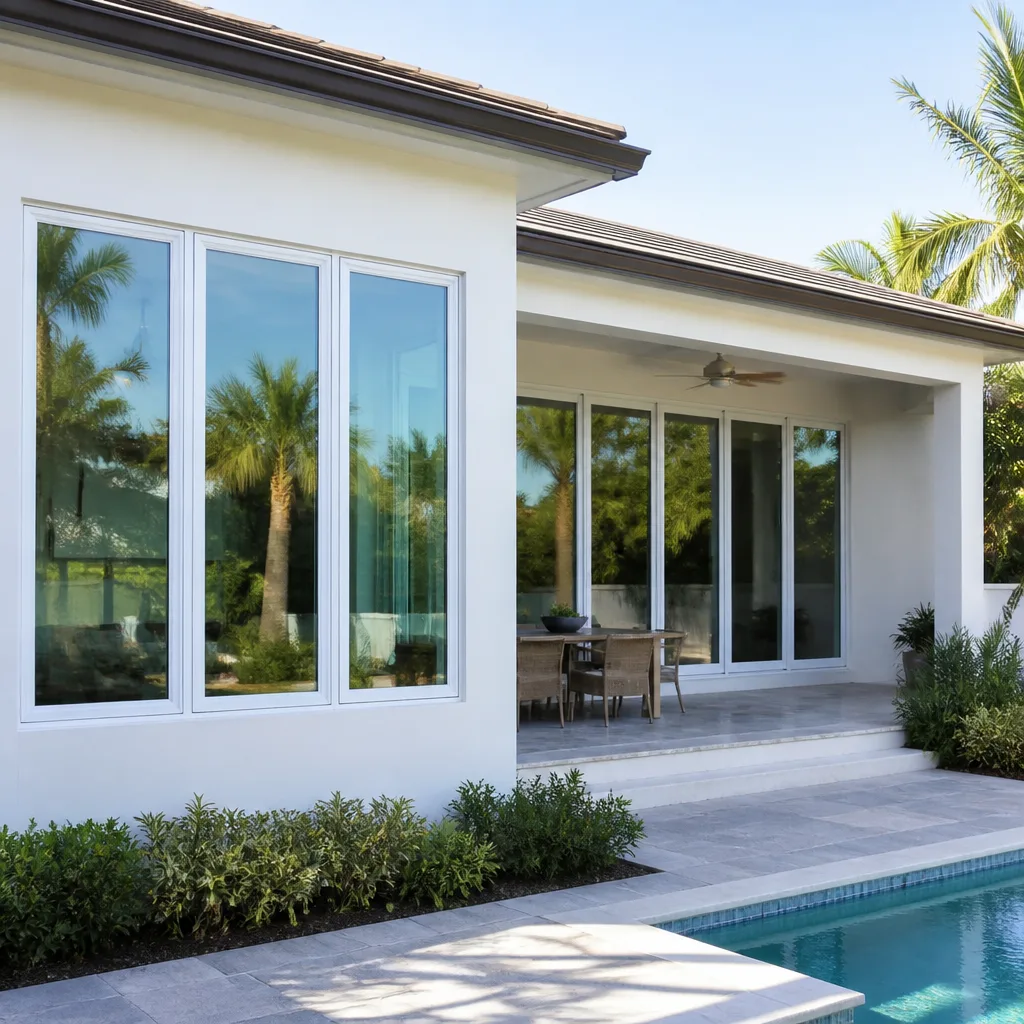
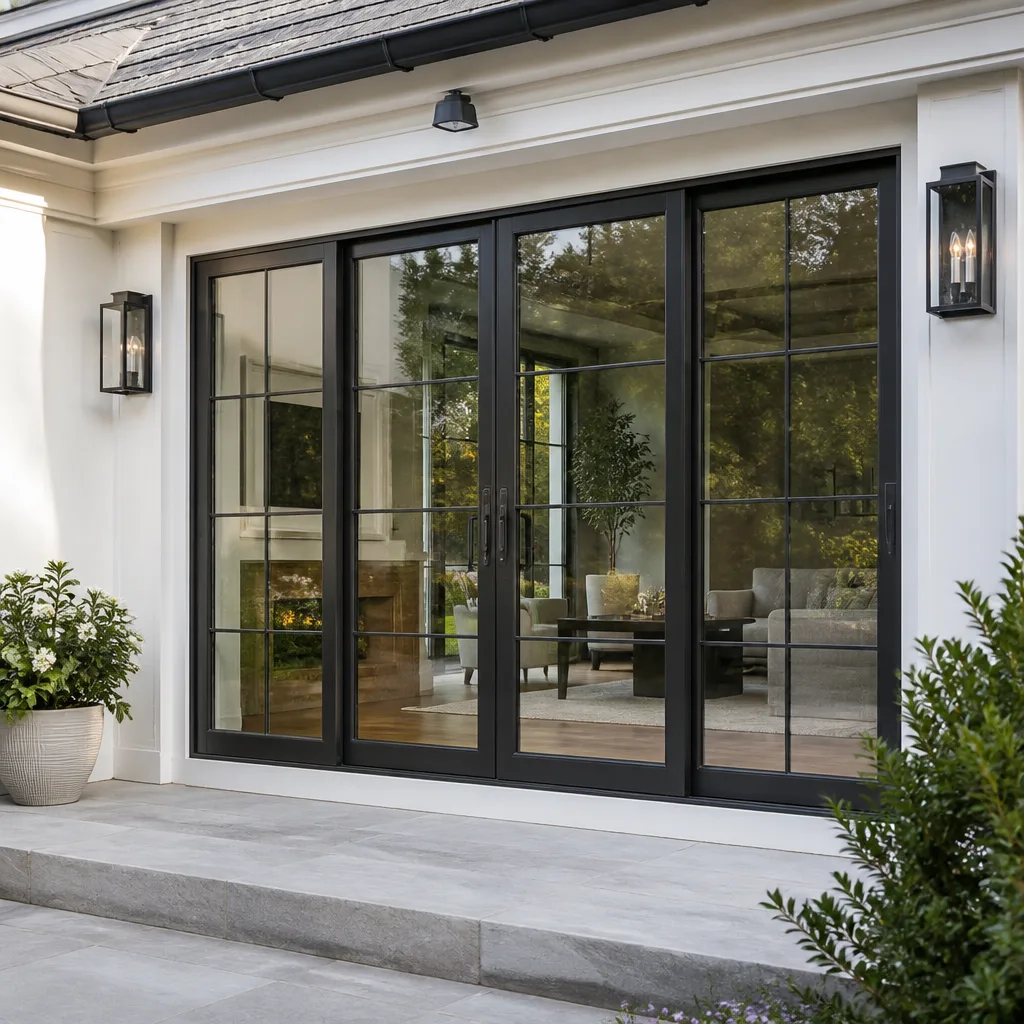
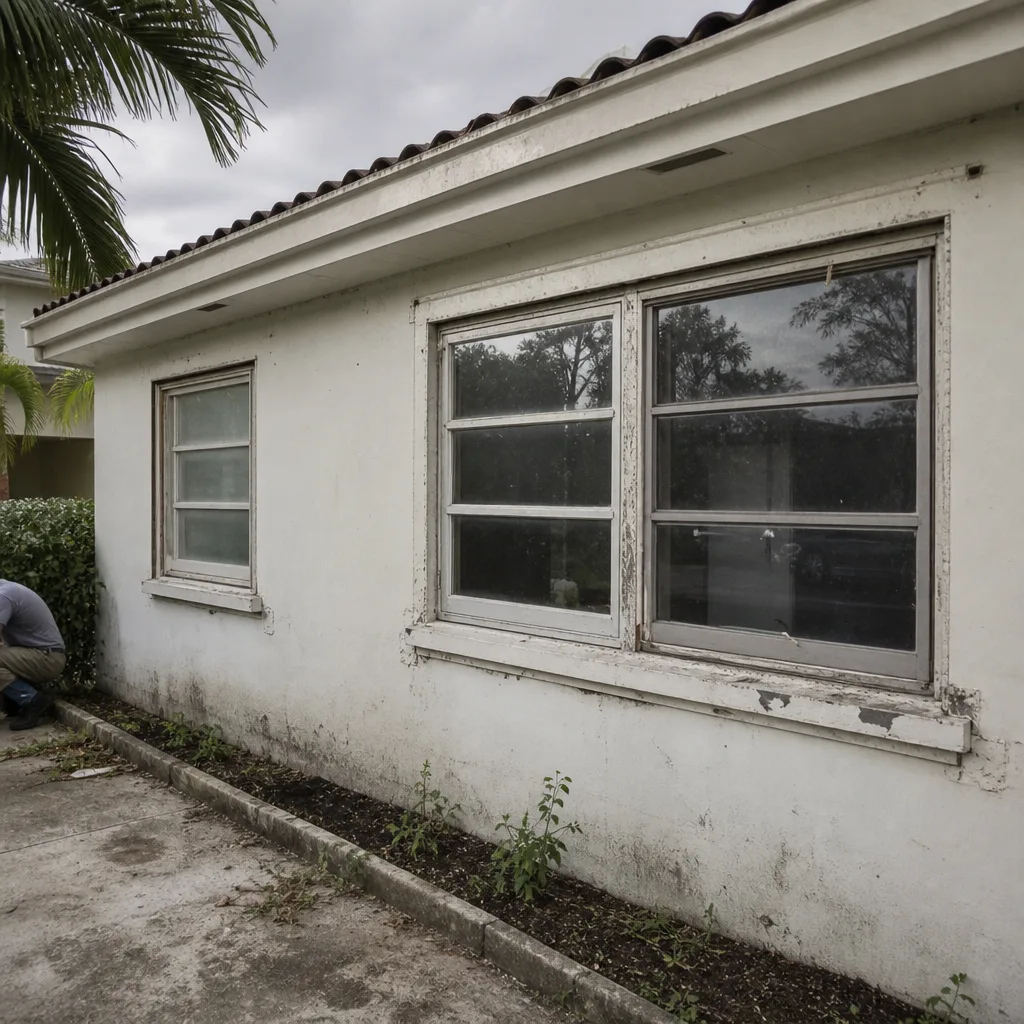 Before
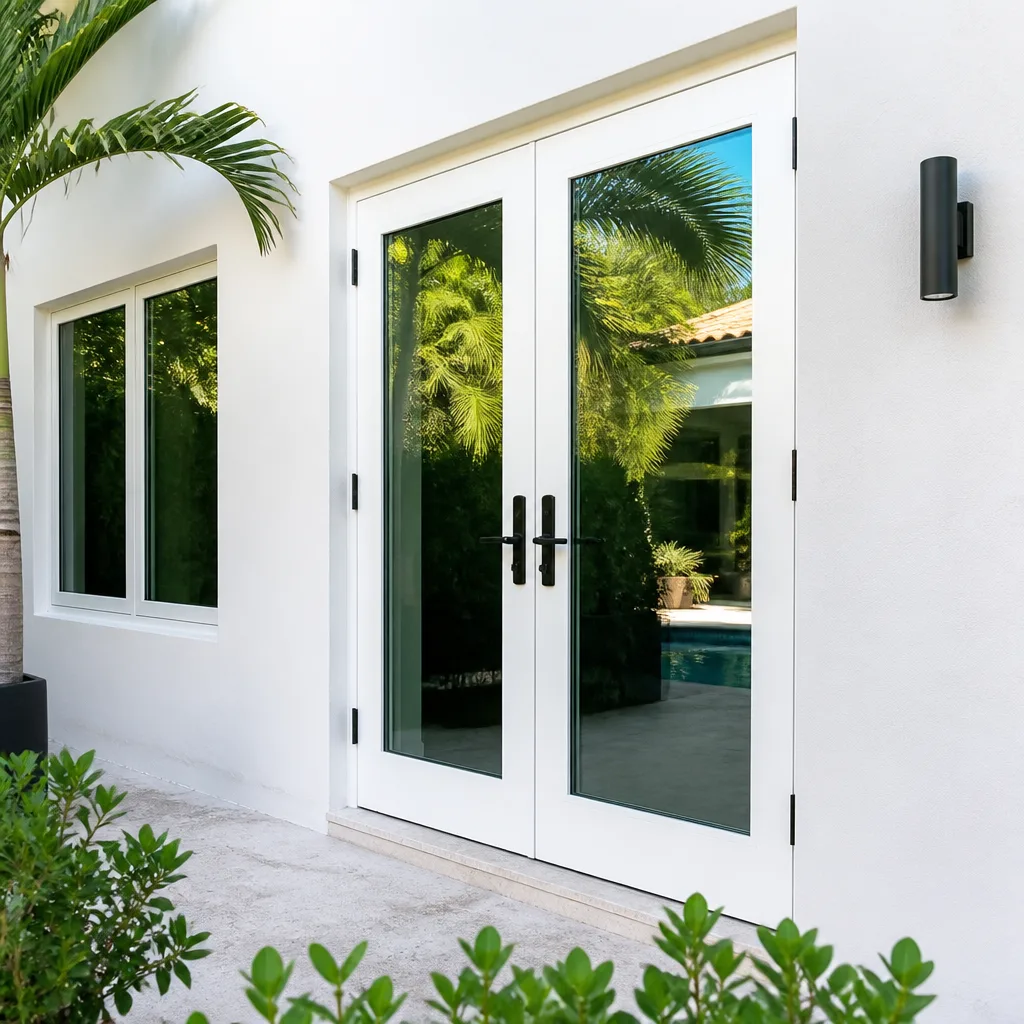 After
After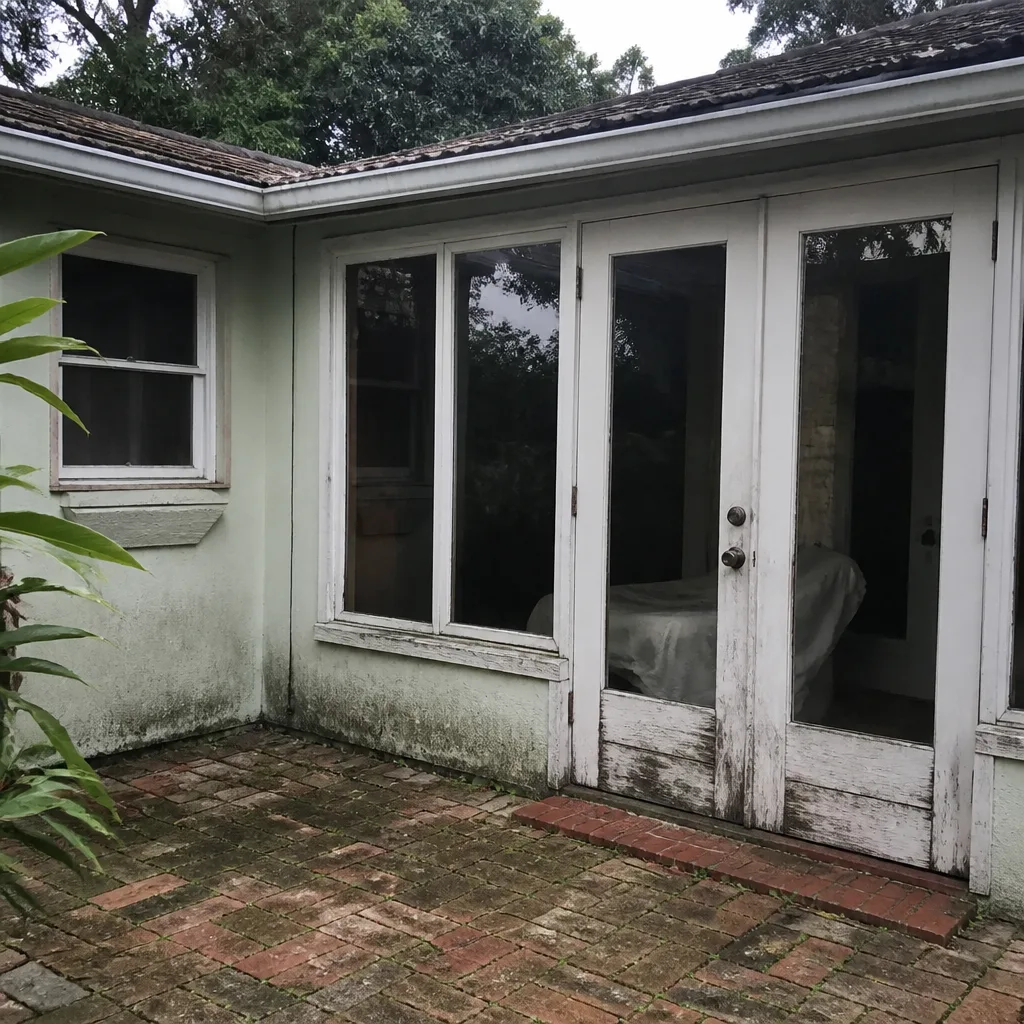 Before
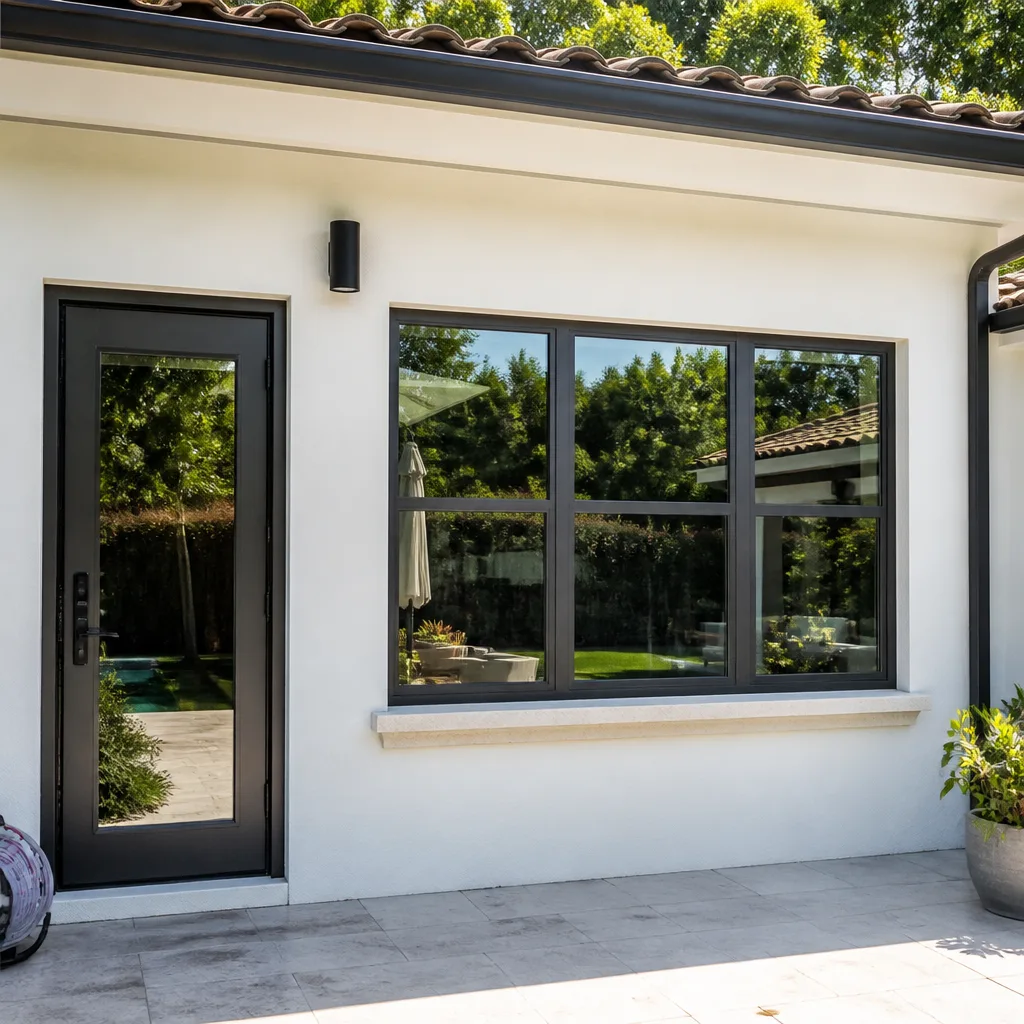 After
After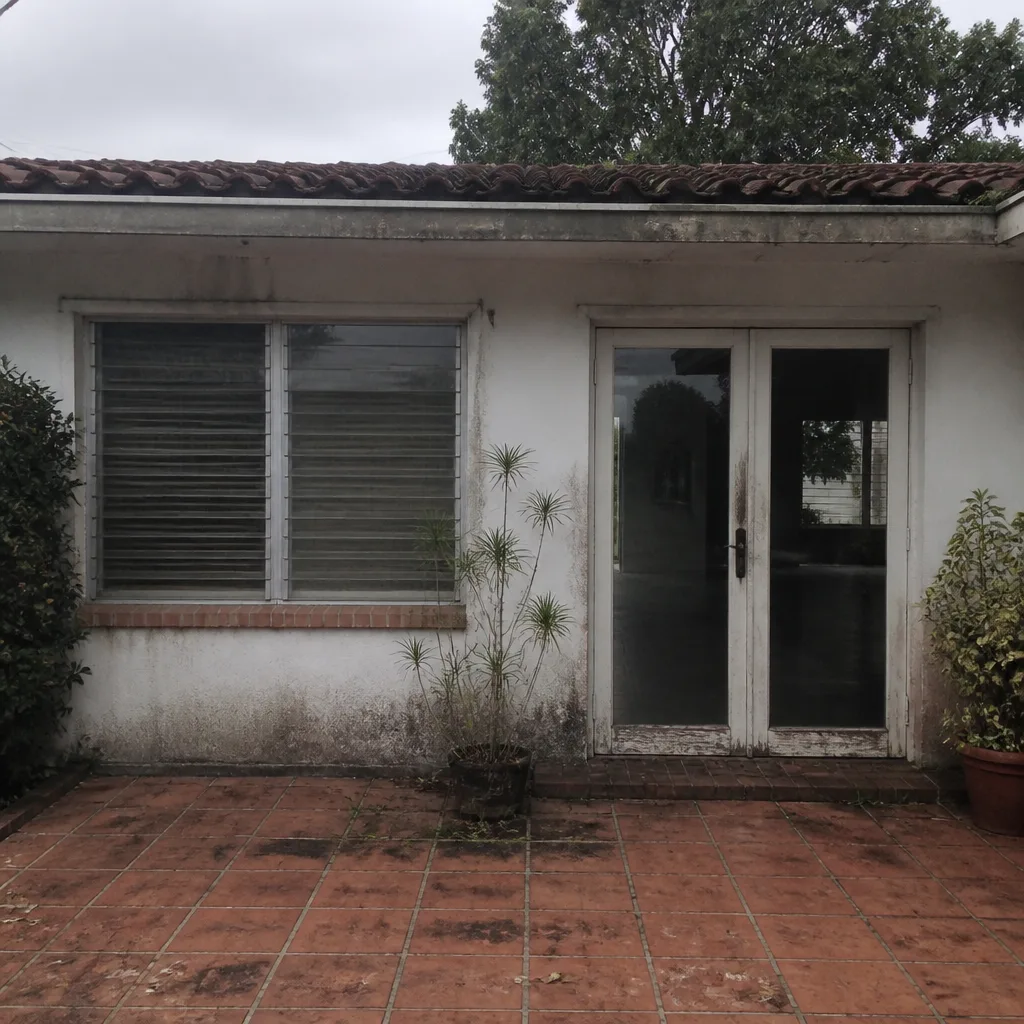 Before
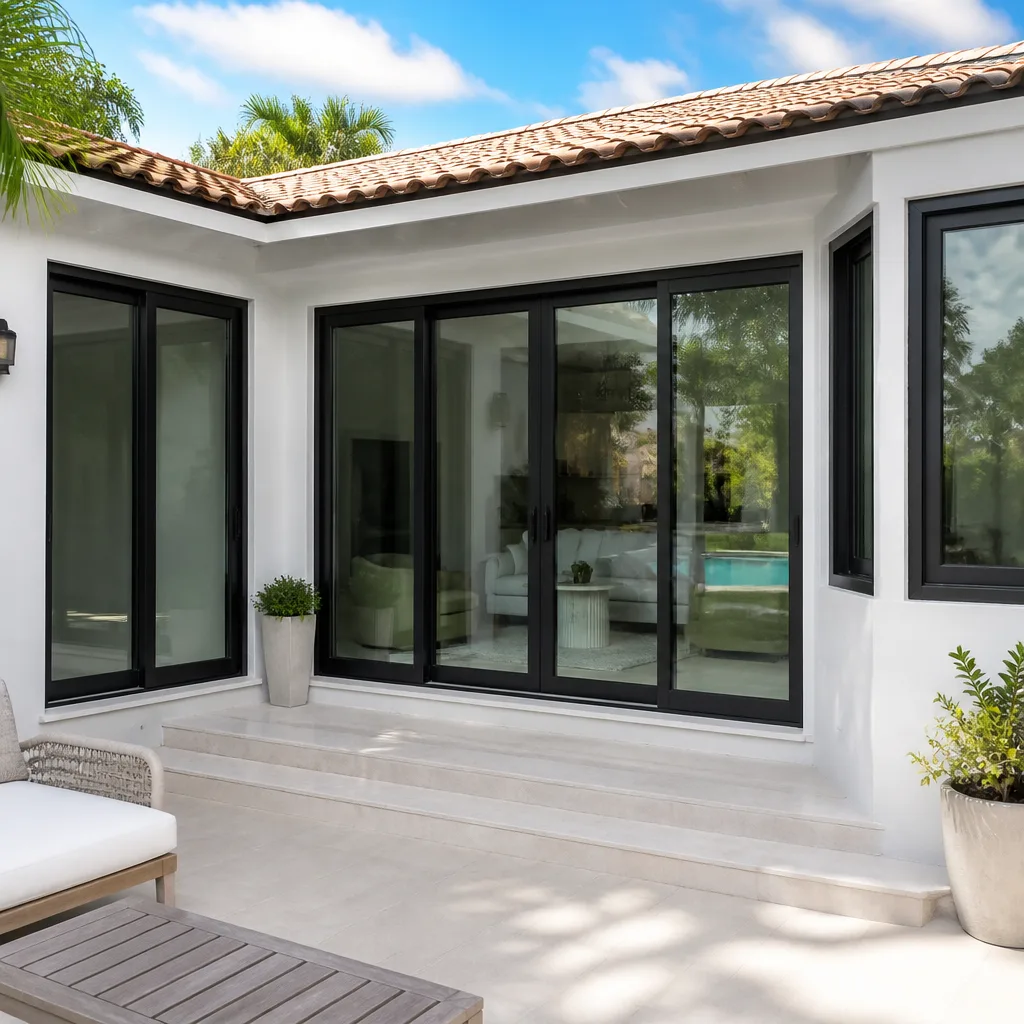 After
AfterWindows & Doors Permits, Codes & Inspections in FL: What You Need to Know
Every year, thousands of Florida homeowners replace windows and doors without a permit, and most never find out how much trouble they’re in until the worst possible moment: a hurricane is churning toward the coast and the insurance company starts asking questions. In South Miami, where storm protection isn’t a suggestion but a survival strategy, unpermitted work on your windows and doors creates a paper trail problem that can void your coverage, stall your home sale, and cost you tens of thousands in fines and retrofits. This guide - and our complete guide to windows & doors in South Miami - walks you through how Florida’s permit system actually works for windows and doors, why Miami-Dade County runs a second, stricter approval layer on top of it, what the inspection sequence looks like step by step, who’s responsible for pulling the permit, and how a clean permit record feeds directly into your wind mitigation report and insurance premium.
Quick Answer
In Florida, window and door replacements require a building permit and inspections to verify compliance with the Florida Building Code, and in Miami-Dade County the products themselves must also carry Miami-Dade Product Control approval. The contractor is legally responsible for pulling the permit, not the homeowner, and the inspection sequence typically runs from application through rough and final inspections to a passed final inspection sticker. An approved permit becomes part of your property’s wind mitigation history, which directly influences your insurance premium in South Miami and throughout Florida’s coastal zones.
Table of Contents
- Florida Building Code vs. Miami-Dade Product Control: Why Both Matter
- Who Pulls the Permit? The Contractor, Not You
- The Inspection Sequence: From Application to Final Approval
- How Permits Feed Your Wind Mitigation Report and Insurance Premium
- After-the-Fact Permitting: What It Costs and Why It Hurts
- What the Inspector Actually Checks on Windows and Doors
- Why South Miami’s Climate Makes Code Compliance Non-Negotiable
- Common Mistakes to Avoid
Florida Building Code vs. Miami-Dade Product Control: Why Both Matter
The single biggest misconception we hear in South Miami comes from contractors who do most of their work in Broward, Palm Beach, or up in Central Florida. They hold up a product sticker and say “this meets Florida Building Code,” which is true, and then they install it in South Miami without realizing that Miami-Dade County requires a second approval layer those products may not have. That’s how homeowners end up with brand-new windows, a failed inspection, and a contractor who’s suddenly unreachable.
Here’s the distinction in plain terms:
- Florida Building Code (FBC) compliance is the statewide minimum. It governs how windows and doors are installed, anchored, flashed, and sealed. It also sets structural load requirements based on wind zone maps. Every window and door installed anywhere in Florida must meet the FBC edition in effect for that municipality.
- Miami-Dade County Product Control approval is a separate product certification system run by the county’s Department of Regulatory and Economic Resources. It tests and certifies that specific window and door products, from specific manufacturers, can withstand the high-velocity wind and impact conditions unique to Miami-Dade’s High Velocity Hurricane Zone, or HVHZ. A window can hold an FBC approval for Florida’s general wind zones and still fail Miami-Dade’s Product Control standards, which are the strictest in the state.
Both layers must be satisfied simultaneously on any window installation in South Miami. The Miami-Dade Product Control approval applies to the product itself, while the FBC governs the installation method and all adjacent waterproofing, flashing, and anchoring work. When we install impact windows from our authorized brands like PGT, CGI, and ES Windows, we verify the specific model’s Miami-Dade Product Control notice of acceptance before it ever goes on the truck. That’s not a formality; it’s the difference between a window that passes inspection and one the inspector red-tags on arrival.
Who Pulls the Permit? The Contractor, Not You
Florida statutes are unambiguous on this point, and it’s worth understanding because some contractors try to shift the responsibility without you noticing until it’s too late. Under Florida law, the licensed contractor performing the work is the party legally required to obtain the building permit. They are also legally required to be the one whose license number is attached to that permit. A homeowner can pull an owner-builder permit in certain narrow circumstances, but doing so transfers legal and financial liability for the entire project onto the homeowner, including all code compliance, all inspection scheduling, and all construction defect liability.
Here’s what happens when a contractor asks you to pull the permit yourself:
- The contractor avoids having their license number tied to the job. If something goes wrong later, the county has no record connecting that contractor’s license to your project.
- You become the “contractor of record” in the county’s eyes. You’re now responsible for calling inspections, correcting deficiencies, and dealing with any stop-work orders.
- Your insurance situation gets murky. If a problem occurs and the insurer discovers that you were the legal contractor on an unlicensed or improperly permitted job, they have grounds to deny coverage for property damage connected to that work.
- Any warranty claims against the contractor become harder to enforce, because in the legal record, you were the builder, not them.
- Permit application filed by the contractor. The contractor submits product approvals for every window and door model being installed, along with a permit application, floor plan markups, and the wind load calculations for your specific home’s location and orientation. In Miami-Dade, the county verifies that each product carries a current Product Control approval sticker and notice of acceptance.
- Plan review completed. The county checks that the proposed products and installation methods meet both FBC and Miami-Dade High Velocity Hurricane Zone requirements. This can take anywhere from a few days to a few weeks depending on workload and project complexity.
- Permit issued and fee paid. Once approved, the contractor pays the permit fee, which in Miami-Dade typically runs from a few hundred dollars for a straightforward window replacement up to a thousand or more for multi-opening jobs with structural changes.
- Work begins and the first inspection is scheduled. For window and door replacements, the first inspection is usually a “rough” or “in-progress” inspection where the inspector checks the anchoring system, shims, and opening preparation before the exterior trim and caulking seal everything up. It catches problems while they’re still repairable.
- Additional inspections as required. Depending on the job, there may be an intermediate inspection for the installation of the anchoring and flashing system. Larger jobs with multiple stories or mixed product types might need inspections at each phase.
- Final inspection scheduled after all work is complete. The inspector verifies that every window and door is properly installed, sealed, and labeled, that all required product approvals are on-site or recorded, and that the finished work matches what the permit approved.
- Final approval recorded. The county logs the passed final inspection in your property’s official records, and you receive the final approval sticker documentation. This is the paperwork that goes into your wind mitigation report and your permanent file with the county.
- The exact product models installed, with their Miami-Dade Product Control approval numbers
- That a licensed contractor performed the work under a valid permit
- That a county inspector verified the installation and passed it on final inspection
- The date the work was completed, which confirms the code edition that applied at installation time
- Double permit fees. Miami-Dade charges double the standard building permit fee for after-the-fact work. On a four-figure permit, that’s not pocket change.
- Mandatory invasive inspections. The building department can require that portions of the finished work be opened up to expose the anchoring, flashing, and waterproofing systems that are now hidden behind trim and stucco. That means cosmetic damage to your home that you’ll pay to repair.
- Product documentation demands. You’ll need to prove that the specific windows and doors installed carry Miami-Dade Product Control approval numbers. If the products were cheap imports with no such approvals, the county will require replacement with compliant products.
- Potential code upgrade requirements. If the unpermitted work was performed under an older code edition and the current code now requires stronger wind performance, the county can require retrofits to meet current standards.
- Seller disclosure complications. If you’re selling your home, you must disclose unpermitted work on the Florida seller’s property disclosure. Buyers in South Miami, where insurance access is already tight, routinely walk away from homes with unresolved permit issues.
- Product labels and approval stickers. Every window and door unit must display its Miami-Dade Product Control approval number, and the inspector verifies that the product on-site matches the product listed on the permit application.
- Anchoring and fastening. The inspector checks the size, type, and spacing of the anchor bolts or screws that hold the window or door frame to the surrounding structure. This is where most failed inspections happen, and most of the time it’s because the installation used undersized fasteners or the wrong anchoring pattern.
- Flashing and waterproofing. South Miami gets 55 to 60 inches of rain in a typical year, and the inspector knows it. The flashing tape, sealant, and drainage plane details at the top, sides, and bottom of each opening have to meet the code’s water intrusion prevention standards.
- Wind load compliance. The inspector checks that the product’s approved wind load rating matches or exceeds the requirement for your home’s specific wind zone and exposure category. A window rated for a lower wind pressure than the code requires will fail inspection, even if it’s otherwise well-installed.
- Impact protection. In the HVHZ, windows and doors must be either impact-rated or protected by an approved shutter system. The inspector verifies that the installed product carries the Miami-Dade impact approval for both the glass and the frame assembly.
- Opening dimensions and egress. Bedroom windows must meet the state’s emergency escape and rescue opening requirements, and the inspector checks the finished rough opening to confirm.
- Letting the contractor skip the permit to “save you money.” The permit fee is a rounding error compared to what ATF permits cost later, and skipping it risks your insurance coverage the entire time it remains unpermitted. Any contractor who suggests this is not acting in your interest.
- Pulling an owner-builder permit for a contractor you don’t fully trust. You take on the legal and financial liability for the project while the contractor operates under your name. If the work fails inspection, you’re the one the county holds responsible.
- Assuming all impact windows are approved for Miami-Dade just because they’re impact-rated. Impact ratings come from different testing standards, and only Miami-Dade Product Control approval means the product passed the HVHZ test protocols. South Miami inspectors know the difference, and so do insurance companies.
- Failing to keep your final inspection record and Product Control paperwork somewhere safe. You’ll need those documents for your wind mitigation report, your insurance renewal, and any future sale of your home. Homeowners who lose the final inspection record often have to pay the county for document retrieval or re-verification.
- Choosing a contractor from outside Miami-Dade who’s unfamiliar with HVHZ and Product Control requirements. We’ve seen out-of-area companies install code-compliant products in ways that fail Miami-Dade’s stricter inspection standards, leaving the homeowner with an installation that passed nowhere.
- Treating the permit as a formality instead of an insurance asset. The cleanest possible permit record, with every product clearly documented, every inspection passed, and the final approval recorded, is part of your home’s value and insurability. Protect it like the financial document it is.
In our experience in South Miami, the contractors who push owner-builder permits onto their customers fall into two categories: unlicensed operators trying to dodge scrutiny, and companies trying to offload scheduling and liability. Both are bad news. A licensed, insured contractor pulls the permit under their own license, schedules every inspection, and stands in front of the inspector when they arrive. That’s how the system is supposed to work, and it’s the only way we’ve done it since Ed Winslow opened the company in 2011.
The Inspection Sequence: From Application to Final Approval
Every municipality in Miami-Dade County follows a similar sequence for window and door permits, though the exact number of inspection stops varies by project scope. Here’s the step-by-step for a typical residential window and door replacement in South Miami:
The full sequence from application to final approval for a standard window and door replacement in South Miami typically runs three to five weeks, with the inspection portions taking up the last week or two. For window replacement in South Miami that includes impact-rated products with Miami-Dade Product Control approvals, the plan review tends to move faster because the product paperwork is straightforward for the county to verify.
How Permits Feed Your Wind Mitigation Report and Insurance Premium
If there’s one section of this guide to read carefully, it’s this one. The connection between your permit history and your insurance premium is where a lot of South Miami homeowners either save real money or learn an expensive lesson.
Your wind mitigation report, also called a wind mitigation inspection or Uniform Mitigation Verification Inspection form, is what insurance underwriters use to price your hurricane wind coverage. It documents specific construction features of your home that reduce wind damage risk: impact-rated windows and doors, roof-to-wall attachments, opening protection systems, and roof decking installation method. Each verified credit translates into a premium discount, and in South Miami those discounts can total hundreds of dollars per year on your annual premium.
Here’s where permits enter the picture. Insurance companies don’t just take your word that your impact windows are really impact-rated, or that your doors are really anchored the way the wind load tables require. They want documentary proof, and the strongest proof available is a county permit record showing:
Without that permit record, your wind mitigation inspector has to make field determinations, which are less precise and often more conservative. A field-visual verification might confirm that impact glass is present, but the insurance company may discount the credit because the product and installation can’t be definitively confirmed against the Product Control registry. That’s why we tell every customer: the permit isn’t paperwork for the county. The permit is your insurance file.
After-the-Fact Permitting: What It Costs and Why It Hurts
South Miami homeowners sometimes ask us whether unpermitted window work from years ago can just be quietly legalized later. The answer is that it can, but “quietly” is not the word for it, and neither is “cheap.”
After-the-fact permitting, or ATF as the county calls it, is the process of obtaining a permit for work that was already performed without one. In Miami-Dade County, ATF permits almost always trigger these consequences:
We’ve seen homeowners in South Miami neighborhoods spend two or three times what the original permit would have cost in ATF fees, demolition, installation of replacement products, and cosmetic repairs. The cheapest permit is the one pulled before the first window comes out of the frame.
What the Inspector Actually Checks on Windows and Doors
Here’s a question we hear a lot from customers who want to understand the process: what actually happens when the inspector shows up? Whether it’s a rough inspection or the final, the checklist is specific, and watching a good inspector work tells you a lot about why the process exists.
On a typical window and door inspection in South Miami, the county inspector is looking at:
The inspection usually takes 30 to 60 minutes for a typical whole-home window and door replacement, and the inspector’s written report becomes part of your permit file. Passing on the first inspection saves everyone time, and it’s the normal outcome when the installer knows the Miami-Dade code and has the product documentation organized before the inspector arrives. Our teams at Winslow have been doing this in South Miami for over 15 years, and we take our own installation crews through the full inspection checklist before the county even schedules the visit.
Why South Miami’s Climate Makes Code Compliance Non-Negotiable
All of Florida deals with heat, humidity, and the occasional tropical system, but South Miami sits in a specific combination of conditions that makes window and door code compliance matter more than it does in Orlando or Tampa. First, South Miami is squarely inside the High Velocity Hurricane Zone, one of the most stringent wind codes in the world. A structure here must be designed and tested for wind speeds that would barely register as a footnote in most of the country’s building codes. Second, the combination of salt air off Biscayne Bay, intense UV exposure, and 60-inch annual rainfall means any gap in flashing, any unsealed fastener penetration, any underrated pressure assembly will be found by the elements, usually within the first two years. We inspect thousands of aging installations around South Miami, and the failures we see in coastal properties - detailed in our Windows & Doors Warning Signs: A South Miami Homeowner’s Reference Guide - are almost always tied to work that was under-specified for the environment, even when it was installed cleanly.
This is why we stock our installs with products from manufacturers like ES Windows, Therma-Tru, and ECO Window Systems, all of which carry Miami-Dade Product Control approvals and are built for the specific corrosion and pressure demands of South Florida’s barrier island and coastal basin neighborhoods. A window that performs fine in a dry, inland climate will start corroding at the hardware and losing seal adhesion within a few years here if it isn’t engineered for coastal exposure. The code, and the Product Control program, exist to filter out the products and installation methods that fail in exactly this environment.
Common Mistakes to Avoid
When to Call a Professional
If you’re replacing more than a single window or door, installing impact-rated products, or dealing with any opening that involves structural changes to the frame, this is not a DIY project - see our DIY vs Professional Windows & Doors: The South Miami Homeowner’s Decision Guide - and it’s not a handyman job. The Miami-Dade inspection process assumes a licensed contractor with product documentation ready, and homeowners who try to manage permits and inspections themselves usually end up with a longer, more expensive path to the same result. If you’ve recently purchased a South Miami home and discovered unpermitted window work from a previous owner, a professional can assess what’s compliant, what needs retrofitting, and what the fastest path to an approved permit record looks like. Winslow Windows & Doors, owned and operated by Ed Winslow, offers free estimates in South Miami - call (850) 930-1813 and we’ll walk you through exactly what your situation requires.
Frequently Asked Questions
Building permit fees in Miami-Dade County for window and door replacement typically range from a few hundred dollars to over a thousand, depending on the number of openings, the complexity of the installation, and whether structural changes are involved. The exact fee is calculated by the county at application time. Call (850) 930-1813 for a free estimate that includes the permit cost spelled out line by line.
A straightforward window and door replacement in South Miami typically takes three to five weeks from permit application to final inspection approval. Plan review, permit issuance, the in-progress inspections, and the final inspection each have their own timelines, and scheduling waits at the county can extend the total. A contractor who handles the process end to end will keep it moving faster than a homeowner navigating it alone.
Yes, Florida allows owner-builder permits, but doing so makes you the legally responsible party for code compliance, inspections, and any construction defects. For most homeowners, the smarter path is to have a licensed contractor pull the permit under their license, which keeps liability where it belongs and preserves your insurance position. Winslow handles permits on every job we install in South Miami.
In South Miami and throughout Miami-Dade County, yes. Miami-Dade Product Control approval is a separate and stricter testing and certification standard that applies on top of Florida Building Code compliance. A window can meet the FBC and still fail to carry Miami-Dade approval, and if it lacks that approval, it will fail inspection in South Miami and may not qualify for insurance wind mitigation credits.
At Winslow Windows & Doors, no. Our quotes are upfront and fixed, with no change orders unless you change the scope of the work yourself. The permit fee is listed as a separate line item so you can see exactly what the county is charging, and the final invoice matches the original quote. Call (850) 930-1813 for a written estimate.
You’ll need to go through the after-the-fact permitting process to bring the property into compliance, which typically involves double permit fees, documented proof of Miami-Dade Product Control approvals for every window and door, and potentially invasive inspections that expose the existing installation. If the original products can’t be verified or don’t carry required approvals, replacement with compliant products is the most common outcome. Winslow helps South Miami homeowners work through this every month, and we’ll give you a clear picture of costs before you commit.
The Bottom Line
Window and door permits in Florida are not bureaucratic friction: they’re the mechanism that proves your home meets hurricane code, keeps your insurance enforceable, and preserves your ability to sell without surprises. In South Miami, the system runs steeper than anywhere else in the state because Miami-Dade layers its own product approval and inspection standards on top of the Florida Building Code. Understanding that dual system, knowing who’s responsible for pulling the permit, and keeping your inspection records intact protects you from expensive after-the-fact headaches and insurance denials at exactly the moment you need coverage most. If you’re planning window or door work in South Miami, call Winslow Windows & Doors for a free, upfront estimate at (850) 930-1813 - Ed Winslow’s name is on the door, and the permit will have our license number on it, not yours. For more guides & resources, visit our blog.
Written by Ed Winslow, Owner at Winslow Windows & Doors, serving South Miami since 2011.
Six Reasons Homeowners Choose Winslow Windows & Doors
Impact systems engineered to design pressures up to +/-100, matched to your wind zone - your openings hold when the storm arrives.
Low-E insulated impact glass from our manufacturer lines commonly cuts monthly cooling bills 20-30%.
Laminated impact glass shuts out up to 40% of outside noise - traffic, neighbors, weather.
Monitoring services run $30-90 a month. Laminated impact glass resists forced entry around the clock, with no subscription.
Florida homeowners average around 25% savings on the windstorm portion of their policy after protecting every opening - some homes qualify for more.
A full impact package upgrades curb appeal, buyer confidence and appraised value in one project.