
Last updated August 27, 2026
Free in-home measure and quote - PGT, CGI and CWS impact lines compared on your actual openings, style by style
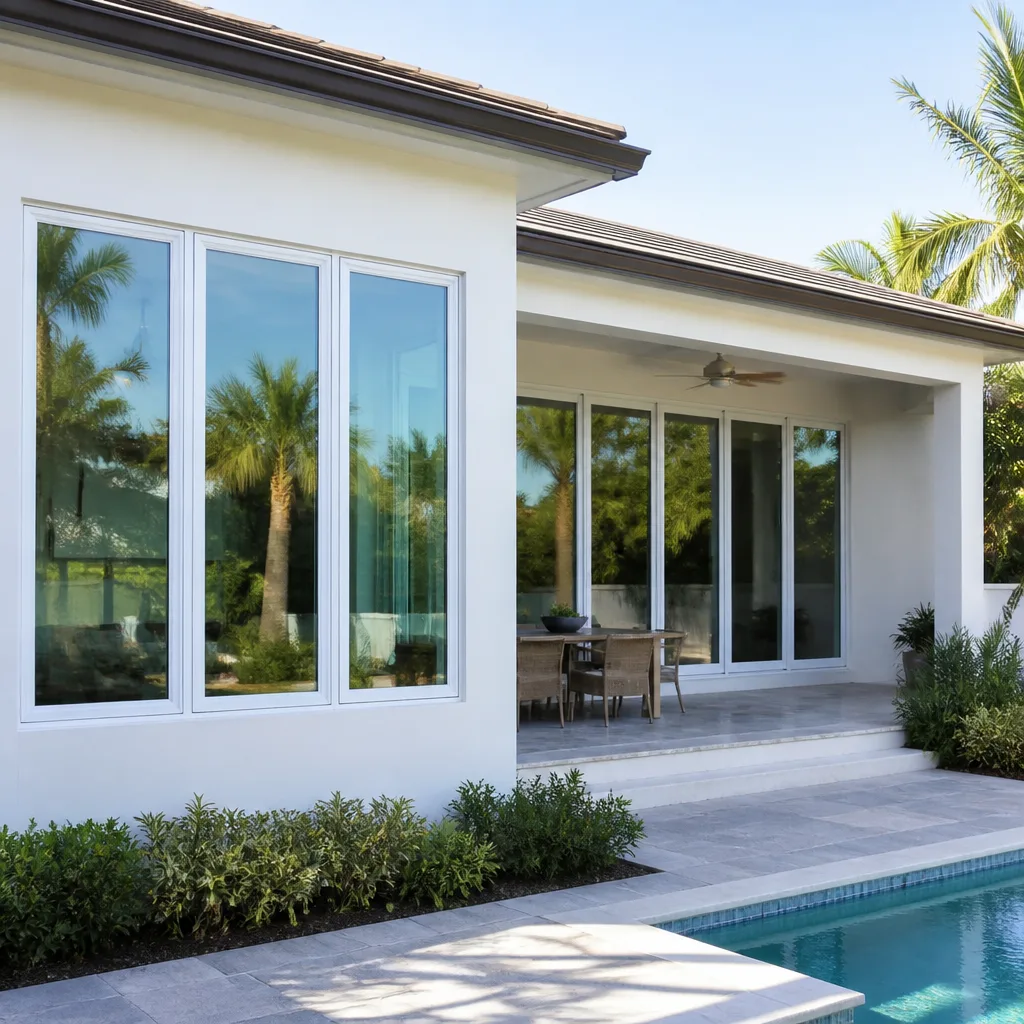
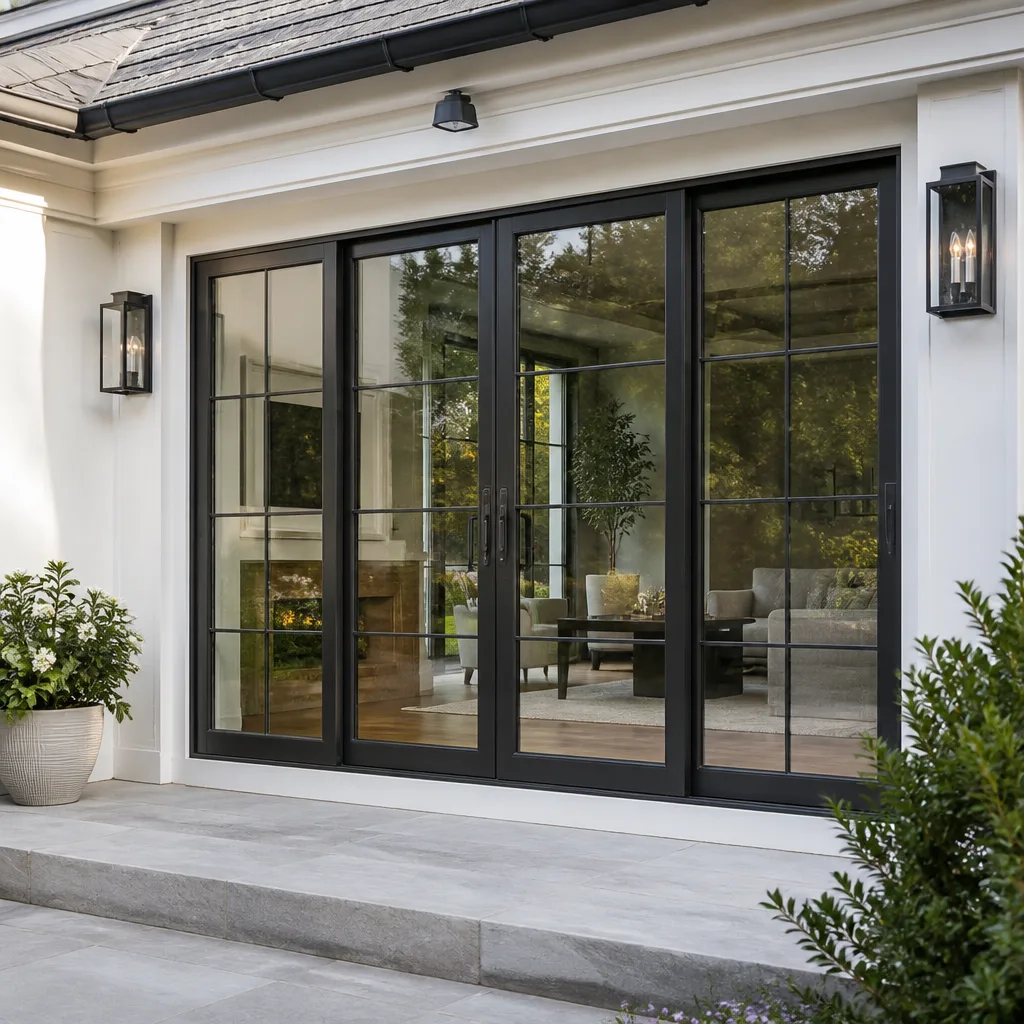
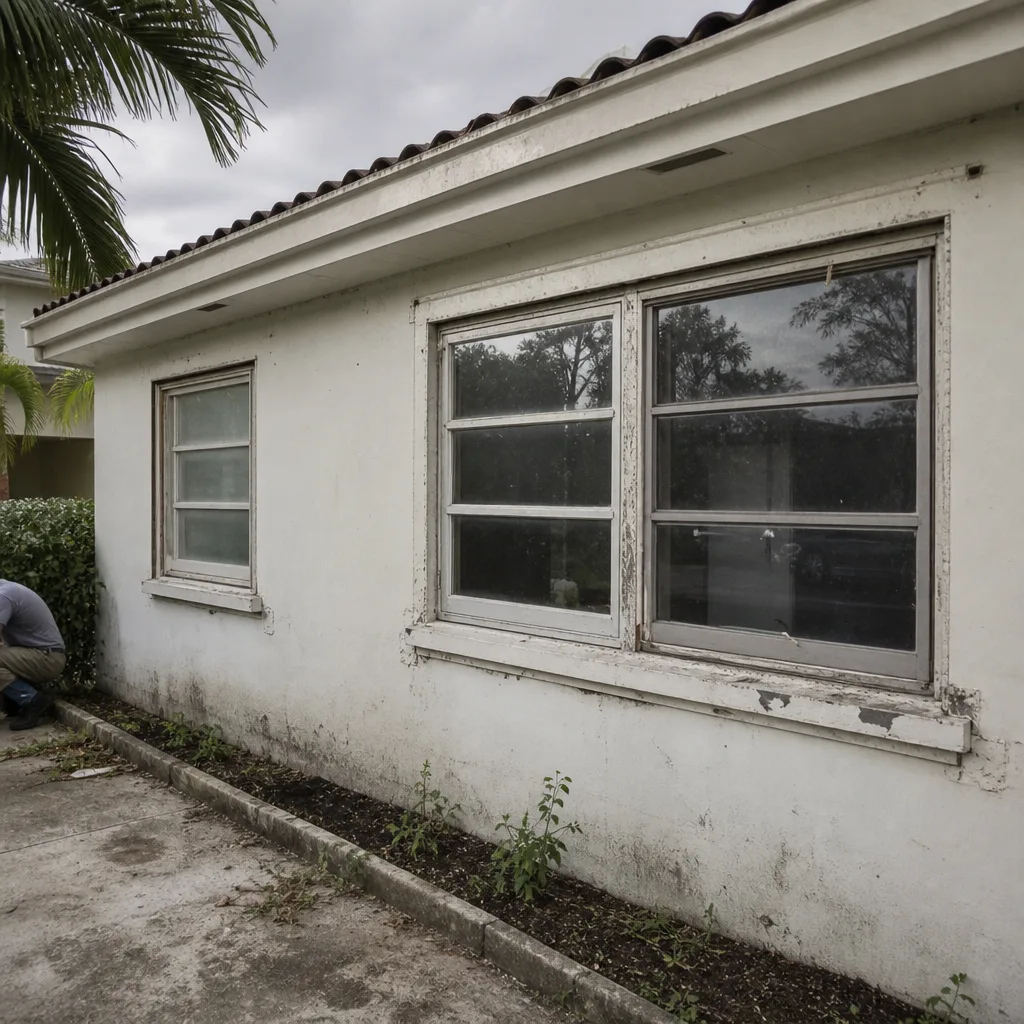 Before
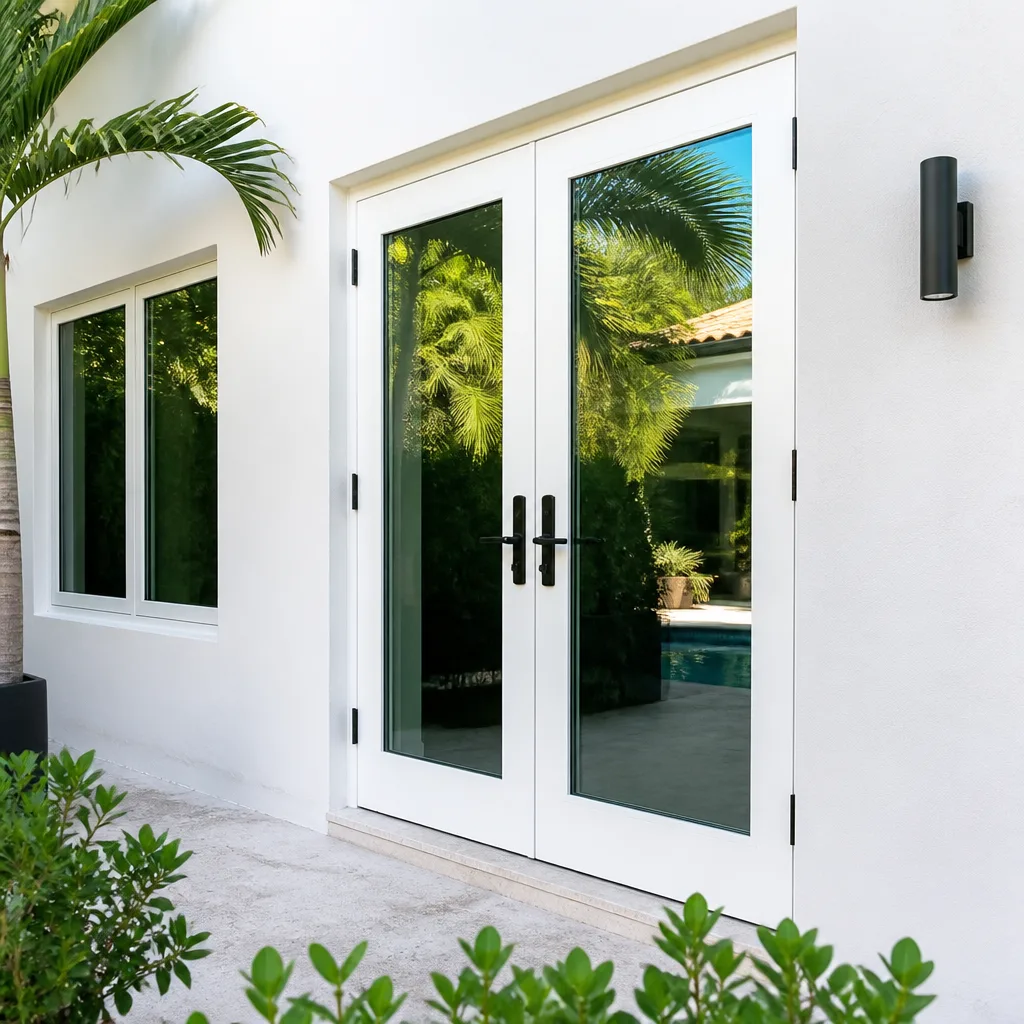 After
After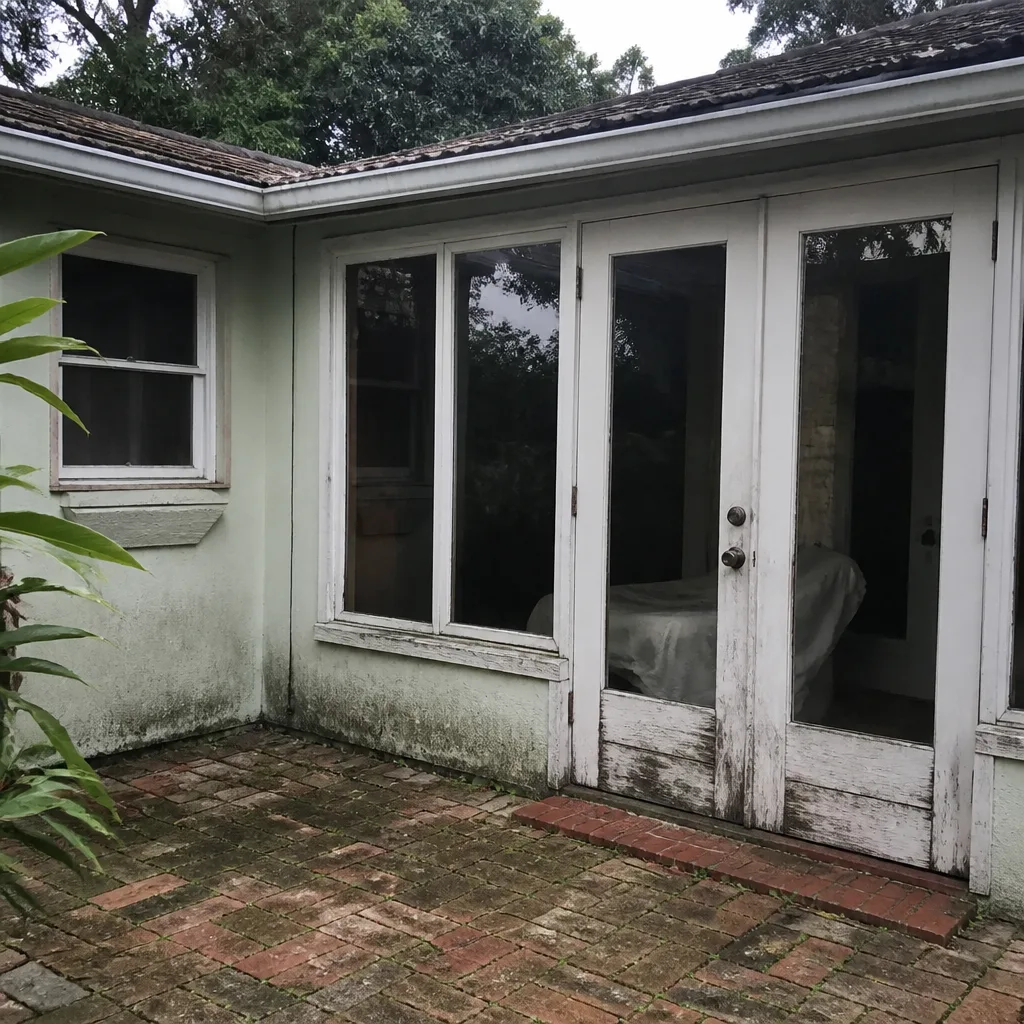 Before
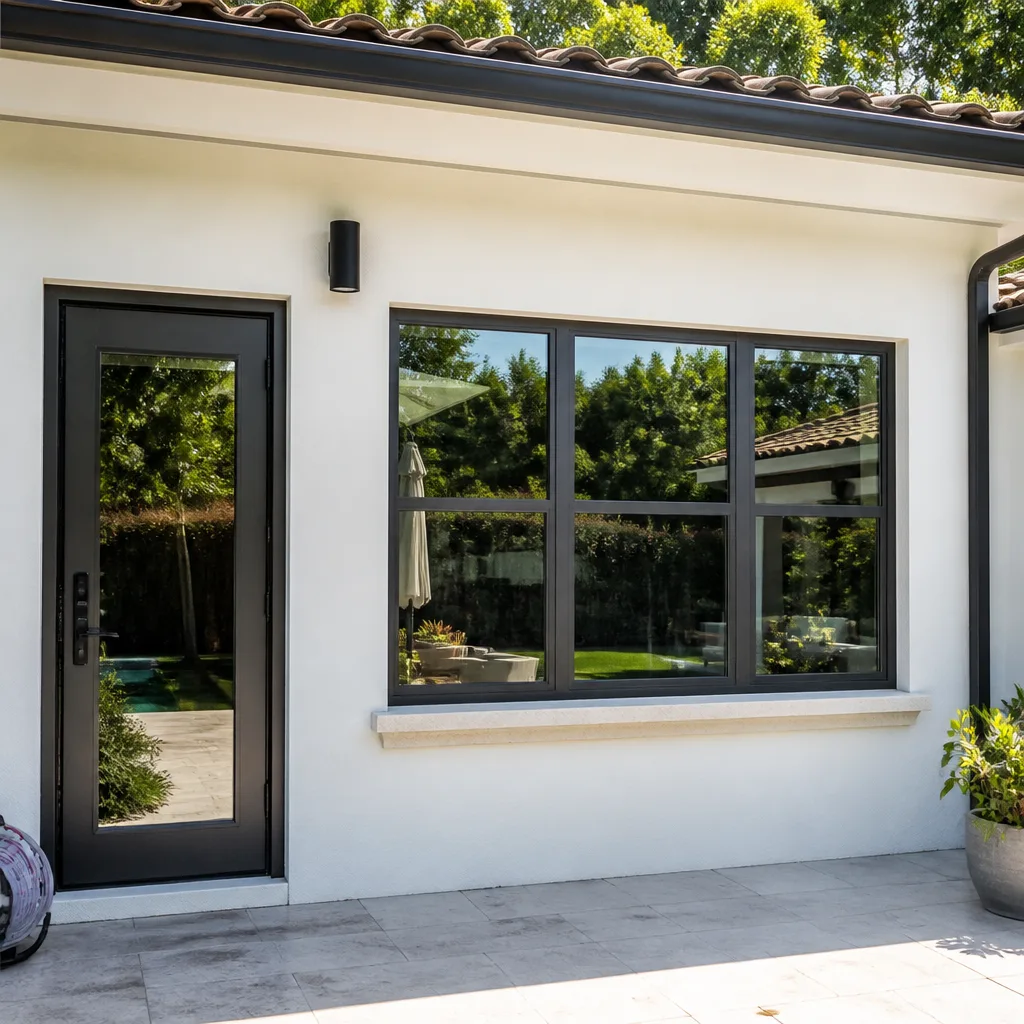 After
After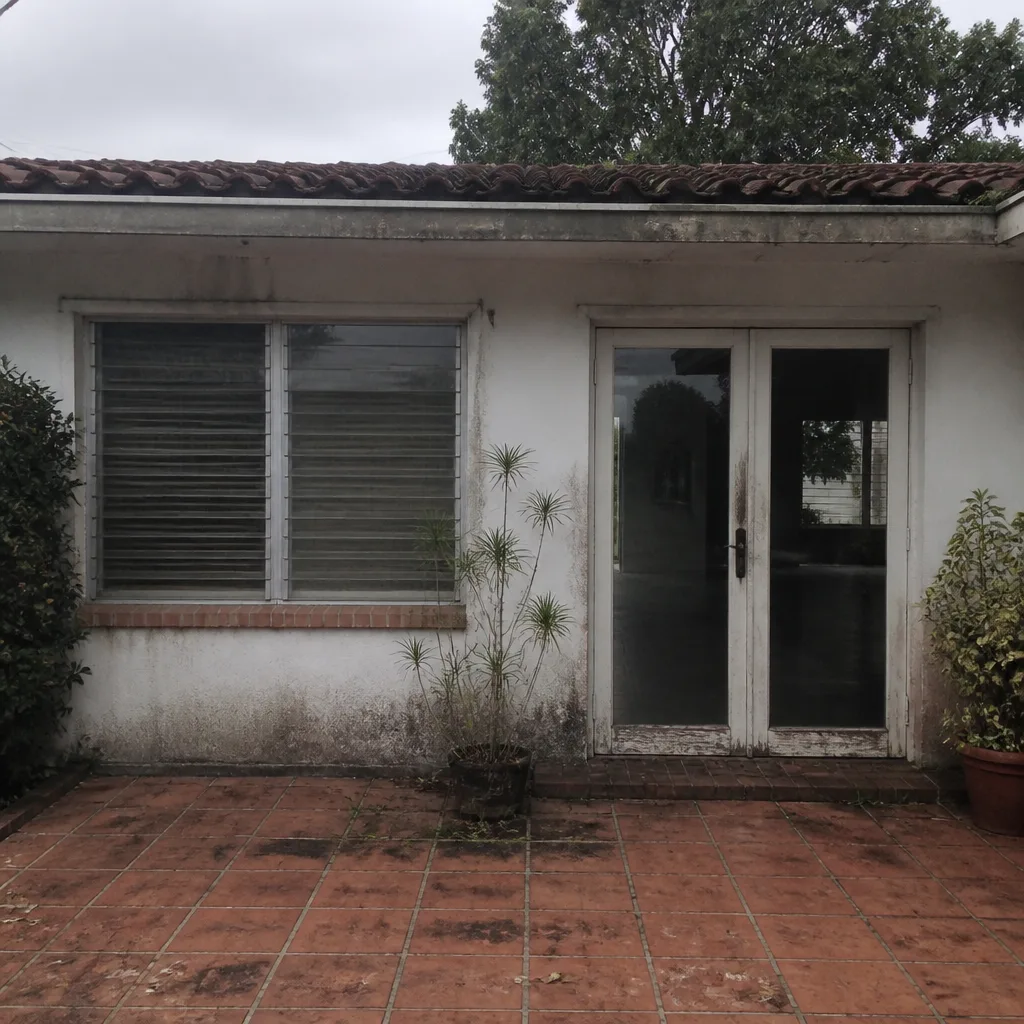 Before
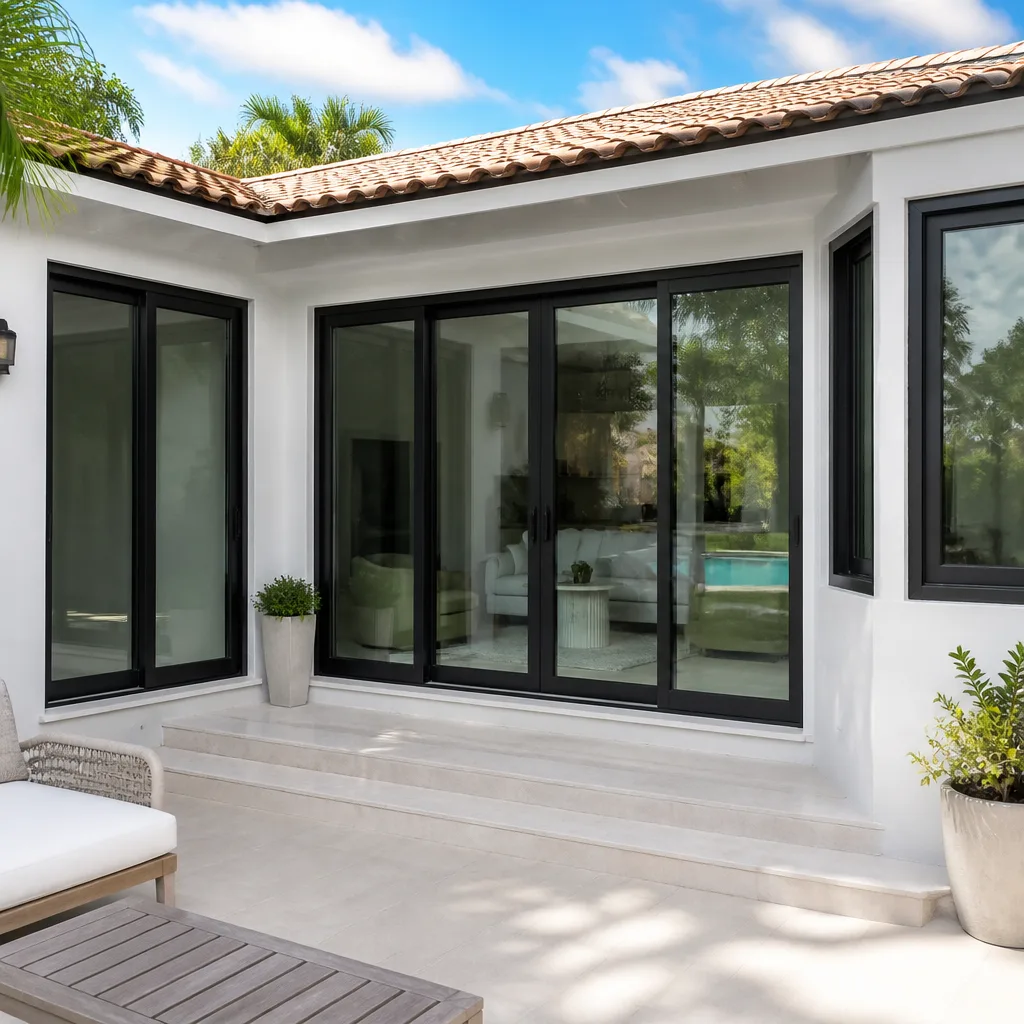 After
AfterDIY vs Professional Windows & Doors: The South Miami Homeowner’s Decision Guide
Every year, hundreds of South Miami homeowners start a window or door project convinced they’ll save money by doing it themselves. Most of them are wrong, and in Miami-Dade County the mistake is more expensive than anywhere else in Florida. A DIY window replacement that fails inspection in South Miami typically costs $1,800 to $4,600 to correct, not including the cost of the original materials already purchased. This guide explains exactly what you can legally and safely do yourself, what requires professional hands, and how to make the decision without losing money in the process. For more on getting started with professional help, see our How to Hire a Windows & Doors Contractor in South Miami: A Step-by-Step Guide.
Quick Answer
In South Miami, DIY window and door replacement is legally non-compliant in almost every scenario involving impact-rated products, because Miami-Dade County requires NOA-approved materials installed to Product Control standards that only licensed contractors can self-certify. The only genuinely safe DIY work is interior trim, hardware replacement, and weatherstripping. Professional installation from an owner-operated company like Winslow Windows & Doors costs more upfront but eliminates failed inspections, warranty voids, and insurance claim denials.
Table of Contents
- What Florida Statute 489 Actually Allows (And Where Miami-Dade Shuts It Down)
- NOA and Product Control: The Paperwork Wall DIYers Can’t Climb
- Impact Window Anchor Patterns: Why Torque Specifications Matter
- The Real Cost of a Failed Miami-Dade Inspection
- What You Can Legitimately DIY: Interior Trim, Hardware, Weatherstripping
- Owner-Operated Accountability vs. The National Chain Lottery
- South Miami Climate Realities: Salt, Wind, and Humidity
- A Step-by-Step Decision Framework for Your Project
What Florida Statute 489 Actually Allows (And Where Miami-Dade Shuts It Down)
Florida Statute 489.103 grants a specific exemption: a homeowner may act as their own contractor on their primary residence without holding a state contractor’s license. It sounds simple. It isn’t. The exemption exists so a homeowner can pull a permit and perform work on their own house, but it does not exempt them from complying with the Florida Building Code, and it does not override local county ordinances.
Miami-Dade County’s Product Control ordinance is where the DIY window project goes to die. Since Hurricane Andrew in 1992, Miami-Dade has maintained the strictest product approval system in the United States. Every exterior window, door, and opening protection product must carry a Notice of Acceptance (NOA) issued by the county’s Product Control division. An NOA is not a product label you buy at the store. It is a document tied to a specific product, a specific installation method, and a specific set of structural anchoring details.
Here’s the gap that voids insurance claims: the owner-builder exemption allows a homeowner to pull the permit. It does not allow them to certify that the installation meets the NOA. A licensed contractor signs the installation affidavit stating the anchors were torqued to specification, the product was installed per the NOA drawings, and the assembly passed a mullion load test where applicable. A homeowner cannot sign that affidavit for an impact window installation in Miami-Dade. Even if they do the work, the final inspection requires a certification they cannot legally provide.
What that means in practice: a South Miami homeowner who replaces their own impact windows will, at best, have an unpermitted installation that their insurer discovers after the first wind claim. At worst, the county flags the work, issues a stop-work order, and requires a licensed contractor to disassemble, verify, and re-certify the installation. We have been called to jobs in Pinecrest, Kendall, and Coral Gables where the homeowner’s DIY install passed a visual glance but failed the anchoring inspection because the fastener pattern didn’t match the NOA drawings. The homeowner paid twice: once for the DIY attempt, once for the correction.
For door installations, the same rules apply. A Therma-Tru or CGI impact door carries an NOA that specifies the header anchoring, threshold fastening, and side-jamb embedment. If the product isn’t installed to the letter of that NOA, it is not code-compliant, regardless of how solid it feels when you slam it. South Miami’s building department has been tightening this enforcement for years, and they inspect every permitted window and door replacement.
Our team at Winslow Windows & Doors home has been navigating Miami-Dade’s Product Control system since 2011. Ed Winslow’s name is on the door, and that means every installation we certify is one we’d stand behind in front of the building inspector, the homeowner’s insurer, and the county.
NOA and Product Control: The Paperwork Wall DIYers Can’t Climb
Miami-Dade’s Notice of Acceptance system isn’t a suggestion. It’s a legal requirement embedded in Chapter 8 of the Florida Building Code as amended by the county. When a window or door goes into a South Miami home, the inspector checks the product’s NOA number against the installation. That NOA is tied to a specific manufacturer, a specific model line, and a specific installation method with detailed drawings.
A homeowner shopping at a big-box store may find impact-rated windows for sale. But buying an impact-rated window does not mean it carries a Miami-Dade NOA. Many products marketed as “hurricane impact” in other parts of Florida carry only a Florida Product Approval (FPA), which is state-level. Miami-Dade requires the county NOA, which is a stricter and separate certification. Installing an FPA-only window in South Miami fails inspection before the inspector even looks at the screws.
The paperwork burden on a DIY installer is where most drop the project. For every window, you need:
- The original NOA document, pulled from the county’s Product Control database, tied to the exact product and size
- The NOA’s installation drawings, which specify anchor type, anchor spacing, embedment depth, and torque values
- A licensed contractor’s signed certification that the installation matches the NOA
- For mullion assemblies (multiple windows joined together), a structural calculation or test report
None of that is available to a homeowner pulling an owner-builder permit. The county’s Product Control office won’t help a homeowner certify an impact installation. They’ll point to the code and require a licensed contractor. We’ve seen homeowners spend three weeks chasing NOA paperwork only to call us and ask us to take over the permit.
What a licensed contractor brings to this is straightforward. We’ve installed hundreds of PGT and CGI windows in South Miami, and we maintain the NOA documentation for every product line we install. The inspector doesn’t ask us to prove the window is approved. We hand over the NOA binder before the inspector asks. That level of familiarity is not something a homeowner can replicate with a weekend of internet research.
If you’re considering impact windows for your South Miami home, start with a conversation about product selection. Our Impact Windows in South Miami page explains the full process from NOA selection through final inspection.
Impact Window Anchor Patterns: Why Torque Specifications Matter
This is the section every generic “DIY vs professional” article gets wrong. They talk about shims, level, and foam. In South Miami, the conversation is anchor patterns, torque values, and load transfer.
Impact windows are not screwed into place. They are mechanically anchored to the structural frame of the house using specific fasteners placed at specific intervals, driven to specific torque values. Each PGT and CGI NOA includes a fastener schedule: the type of screw (usually a structural concrete screw or through-bolt), the spacing between anchors (commonly 6 to 8 inches on center for the sill and header, with tighter spacing at the corners), and the depth of embedment into the substrate.
The torque matters. An under-torqued anchor does not engage the fastener’s load rating, which means the window frame can pull away from the structure under wind load. An over-torqued anchor strips the substrate or deforms the frame extrusion, which compromises the frame’s ability to hold the glazing in place when debris hits. Both failures are invisible to the naked eye and catastrophic in a hurricane.
In our experience, the anchor pattern is also where DIY installs fail inspection even when the homeowner got everything else right. The inspector pulls the NOA drawings, measures the anchor spacing, and checks the fastener type. If the homeowner used a 3-inch tapcon where the NOA specified a 4-inch wedge anchor, the inspection fails. No amount of shims, foam, or careful caulking compensates.
There is no consumer-grade tool that certifies this. A calibrated torque wrench is a start, but it doesn’t tell you the embedment depth is correct, the substrate is sound, or the anchor landed in concrete rather than rebar. Licensed installers on CGI and PGT products carry manufacturer training certifications, and the manufacturer requires those for warranty coverage. A DIY install on a CGI window means CGI’s warranty is void from day one, a fact that gets awkward when the homeowner’s insurer asks for proof of compliant installation after a wind event.
The same applies to doors. An impact door’s NOA specifies header anchoring points, king stud fastening, and threshold embedment. If a South Miami homeowner hangs an impact door themselves and the anchoring doesn’t transfer load the way the NOA drawing shows, the door becomes a projectile in a Category 3 storm, not a barrier.
The Real Cost of a Failed Miami-Dade Inspection
Let’s put numbers on the DIY gamble. These are ranges we’ve seen across South Miami, based on correcting DIY installations that failed inspection or were flagged by insurers.
- Failed window installation, single window: $450 to $900 to remove, re-anchor, and re-certify. That’s if the original window is still usable.
- Failed impact door installation: $800 to $1,700 to correct header anchoring and threshold fastening. Includes re-shimming, re-flashing, and new sealants.
- Unpermitted window replacement discovered during home sale: $1,500 to $4,000 in retroactive permits, inspections, and corrective work. Buyers’ lenders in Miami-Dade routinely require permitted documentation in this market.
- Insurance claim denial due to non-NOA installation: policy-dependent, but a single broken impact window with a voided manufacturer warranty and an installation the insurer won’t cover starts around $2,000 and rises quickly.
Compare that to the cost of professional installation from the start. A typical impact window installation in South Miami runs $850 to $1,400 per window including the NOA documentation, the permit, the certified install, and the warranty registration. The math isn’t close. The DIY route saves money only if nothing goes wrong, and in Miami-Dade something goes wrong far more often than the internet’s DIY forums want to admit.
We’ve also seen the hidden cost: time. A homeowner who takes two weekends to install four windows hasn’t factored in the windshield time to the county permitting office, the rescheduled inspection, the fixes after the inspector’s red tags, and the conversations with the insurance company. Our Window Installation in South Miami page walks through what a permitted, inspected, turnkey installation looks like from start to finish.
What You Can Legitimately DIY: Interior Trim, Hardware, Weatherstripping
Here’s where we can actually recommend doing it yourself. There are three categories of window and door work that don’t require a permit, don’t implicate Miami-Dade Product Control, and are genuinely reasonable weekend projects for a homeowner with basic tools.
Interior trim and casing. Once the window or door is installed and the inspector has signed off, the interior trim is cosmetic. Replacing casing, adding extension jambs, or installing modern trim profiles requires a miter saw, a nailer, and patience. It doesn’t affect the structural performance of the opening. If you want to save money on a window replacement, tell your installer you’ll handle the interior trim. Most of us are happy to leave it for you.
Hardware replacement. Door handles, deadbolts, hinge swaps, and window cranks are consumer-level jobs. You’re not touching the anchoring system or the structural frame. Buy quality hardware, match the bore spacing, and take your time. The one exception: multipoint locking hardware on modern impact doors (Therma-Tru and similar) involves internal linkage that’s tricky to adjust. If the handle starts binding after you replace it, call a professional before the lock fails entirely.
Weatherstripping and seal replacement. Replacing worn weatherstripping around doors and operable windows is straightforward, inexpensive, and genuinely improves energy performance. Buy the correct profile for your specific window or door brand. South Miami’s humidity means weatherstripping degrades faster than in most of the country, so expect to refresh it every 3 to 5 years depending on sun exposure. For a complete schedule of upkeep tasks, see our Seasonal Windows & Doors Care for South Miami: Year-Round Homeowner’s Guide.
The line is structural. If the job involves removing the window or door from the rough opening, cutting into the wall, or changing the anchoring system, you’ve crossed into work that requires a permit in Miami-Dade. That’s not a suggestion. That’s the county code, and it applies to every homeowner regardless of skill level.
Owner-Operated Accountability vs. The National Chain Lottery
If you’re going to hire a professional, the second question (after “is this legal to DIY?”) is “who owns the outcome?” Not all professional installation is equal.
A national chain installs thousands of windows a month. The local crew that shows up at your South Miami house is an employee of a regional subsidiary, with an installation manager two hours away and a corporate warranty department in another state. When something goes wrong, you call an 800 number. The person who answers has never seen your house. They don’t know your neighborhood, your inspector, or your installation. They open a ticket.
An owner-operated contractor is accountable in a different way. Ed Winslow’s name is on the business. Ed is the one signing the installation affidavit on your permit. Ed is the one who answers when you call the business line. That doesn’t mean owner-operated contractors never make mistakes. It means the person who made the mistake is the person who answers the phone, and the person whose reputation in South Miami depends on fixing it. There is no corporate layer to hide behind.
We’ve built the company on that kind of accountability since 2011. The Done Right Promise isn’t a warranty buried in fine print. It’s a commitment that if the installation isn’t done right, we make it right. Every window we install, every door we hang, every inspection we pass gets the same standard. Ed’s name is on the door, and on every job we do.
Practical details matter too. Our technicians are background-checked and arrive in uniform, which means the person at your door is who we said they’d be. Our phones are answered by a live person 24 hours a day, seven days a week. No voicemail loops. No corporate call center. When a South Miami homeowner calls at 2 a.m. with a storm-related question, a real person picks up.
Our Window Replacement in South Miami page covers the full replacement process, from first estimate through final inspection and warranty registration.
South Miami Climate Realities: Salt, Wind, and Humidity
South Miami is not Orlando. It’s not Tampa. The combination of salt air from Biscayne Bay, wind-driven rain during the summer storm season, and 70%+ relative humidity for much of the year creates specific demands on windows and doors that generic national guides simply don’t address.
Salt air corrodes aluminum frames, hinges, and fasteners faster than inland installs. In neighborhoods closer to the water, like Snapper Creek and Pinecrest, we see galvanic corrosion where dissimilar metals meet, accelerated by the salt-laden air. Professional installers in South Miami know to use stainless steel fasteners and to isolate dissimilar metal contacts. A homeowner following a national DIY guide might use the wrong fastener alloy and watch the anchoring system rust out within five years.
Humidity is the second pressure. Window and door installations in South Miami require proper flashing and sealing details to prevent moisture intrusion during the state’s torrential afternoon thunderstorms. The NOA drawings specify flashing methods. A DIY installer who caulks but doesn’t flash creates a slow water leak that rots the rough opening from the inside, undetected for years.
Wind load is the headline risk. Miami-Dade sits in the High Velocity Hurricane Zone (HVHZ), the most demanding wind zone in the country. The products installed here must withstand wind pressures that would be unthinkable in most of the United States. That’s why the anchoring specs are so specific, and why the inspector checks them. Every hurricane season, South Miami homeowners who cut corners find out whether their installations hold. The ones that fail are rarely the ones installed by licensed professionals.
A Step-by-Step Decision Framework for Your Project
Here’s how to decide whether to pick up a drill or pick up the phone. Follow this sequence and you’ll make the right call.
- Classify the work. Is it structural (removing or replacing the window or door unit, modifying the rough opening, changing anchoring) or non-structural (trim, hardware, weatherstripping)? Structural work requires a permit in Miami-Dade. Non-structural usually doesn’t.
- Check the product requirement. If the work involves an exterior window or door, does the replacement product carry a Miami-Dade NOA? If you can’t answer that question with a specific NOA number, stop. You need professional help at the product selection stage alone.
- Assess the certification gap. Can you legally sign the installation certification for this work? For impact windows and doors in Miami-Dade, the answer is almost always no. The owner-builder exemption doesn’t extend to self-certification of NOA-compliant installations.
- Price the failure risk. Add up the cost of a failed inspection, the voided manufacturer warranty, and the potential insurance claim denial. Compare that against the cost of professional installation. In South Miami, the professional route wins in almost every scenario involving impact products.
- If non-structural, decide honestly. Are you comfortable with the tools and the time? Interior trim, hardware, and weatherstripping are reasonable DIY projects. If you start and get stuck, a professional can finish what you started without the same liability concerns.
- If structural, hire local and owner-operated. Choose a contractor with a published address, a license number, and a name attached. Ask who owns the company. In an environment as regulated as Miami-Dade, you want the person signing your permit to be the person who still lives in this community.
This framework gets you to the right decision without guesswork. The honest answer for most South Miami readers: the DIY window and door replacement that works in Ohio or Texas simply doesn’t work here, and the law says so. For more guides & resources on windows and doors in our region, explore our blog.
Common Mistakes to Avoid
- Assuming the Florida owner-builder exemption covers impact windows. It covers pulling a permit, not self-certifying an NOA-compliant installation. Miami-Dade’s Product Control ordinance closes that door firmly. Your insurer will find out.
- Buying impact windows without checking the Miami-Dade NOA. Products with Florida Product Approval only are not legal in this county. The NOA is product-specific and size-specific, and you need the paperwork before you buy the window, not after.
- Reusing existing anchors in a replacement. When old windows come out, the old anchors are spent. The NOA for your new window specifies a fresh fastener pattern, and the inspector will check it. Reused anchors mean failed inspections and compromised protection.
- Ignoring flashing details in the humid South Miami climate. Caulking is not flashing. Proper window and door installation includes layered flashing systems that channel water back out of the wall assembly. South Miami’s afternoon thunderstorms will expose a caulk-only install within one wet season.
- Choosing a contractor based on price alone. The lowest bid for window installation in South Miami often leaves out the permit, the NOA documentation, or the certified anchoring. When the invoice arrives higher than the estimate, the savings evaporate. Fixed pricing with no change orders is the standard you should demand.
- Forgetting that the manufacturer’s warranty is tied to the installer’s certification. PGT and CGI warranties require installation by trained, certified professionals. A DIY install voids the warranty the moment the first screw goes in. Your “savings” become your liability.
When to Call a Professional
Call a professional if your project involves replacing an exterior window or door, installing impact products, modifying a rough opening, or addressing a failed inspection. These jobs require permits, NOA documentation, certified anchoring, and inspections that only licensed contractors can certify. Call a professional if you want a warranty that means something, from a company whose owner still answers the phone. Winslow Windows & Doors offers free estimates in South Miami, written line-item quotes, and no-hassle upfront pricing. Call (850) 930-1813 to schedule yours. A neighbor you can call at 2 a.m., and someone will actually answer.
Frequently Asked Questions
No, not for impact windows or any exterior window requiring a Miami-Dade NOA. Florida’s owner-builder exemption allows a homeowner to pull a permit, but it does not allow them to self-certify that an impact installation meets the NOA’s anchoring and structural requirements. That certification requires a licensed contractor, which makes DIY impact window replacement legally non-compliant in almost every scenario. Call (850) 930-1813 to discuss your project, and we’ll tell you honestly what you can and can’t do yourself.
Correcting a failed DIY window installation in South Miami typically costs $450 to $900 per window for removal, re-anchoring, and re-certification, assuming the original window is still usable. Failed impact door installs run $800 to $1,700 to correct anchoring and flashing. The full cost depends on what the inspector flagged and whether the NOA paperwork exists. For an exact quote, call (850) 930-1813. Estimates are free.
Interior trim and casing, door hardware replacement, and weatherstripping are all legitimate DIY projects that don’t require a permit or Miami-Dade Product Control approval. These jobs don’t touch the structural anchoring or the rough opening, so they don’t affect wind resistance or insurance compliance.
Yes, you need a permit to replace any exterior door in Miami-Dade County. The replacement door must carry a Miami-Dade NOA, and the installation must be certified by a licensed contractor to match the NOA’s anchoring and structural drawings. An unpermitted door replacement becomes a problem the moment you sell the house or file an insurance claim.
Almost certainly not. Miami-Dade insurers require documentation that windows were installed by a licensed contractor in compliance with the product’s NOA. A DIY installation that can’t produce that documentation gives the insurer grounds to deny the claim, leaving you with the full replacement cost. For an exact quote on compliant installation, call (850) 930-1813.
An owner-operated company has one person whose name and reputation are attached to every installation. At Winslow Windows & Doors, that person is Ed Winslow, and the Done Right Promise means if the job isn’t done right, we make it right. A national chain assigns you a ticket number and a call center. For a South Miami project under Miami-Dade’s strict codes, you want the local owner who signs the permit himself. Call (850) 930-1813 and ask for a free estimate.
The Bottom Line
The DIY window and door conversation in South Miami is different from anywhere else in the country. Miami-Dade’s NOA system, its Product Control enforcement, and its High Velocity Hurricane Zone wind standards create a legal and practical wall that almost no homeowner can clear alone. The owner-builder exemption is real but narrow. The inspector’s checklist is real and specific. The insurance company’s scrutiny is real and unforgiving. For interior trim, hardware, and weatherstripping, go ahead and save the money. For everything structural, hire a local owner-operated contractor who signs the permit, certifies the installation, and stands behind the work. The one down the road.
Written by Ed Winslow, Owner at Winslow Windows & Doors, serving South Miami since 2011.
Six Reasons Homeowners Choose Winslow Windows & Doors
Impact systems engineered to design pressures up to +/-100, matched to your wind zone - your openings hold when the storm arrives.
Low-E insulated impact glass from our manufacturer lines commonly cuts monthly cooling bills 20-30%.
Laminated impact glass shuts out up to 40% of outside noise - traffic, neighbors, weather.
Monitoring services run $30-90 a month. Laminated impact glass resists forced entry around the clock, with no subscription.
Florida homeowners average around 25% savings on the windstorm portion of their policy after protecting every opening - some homes qualify for more.
A full impact package upgrades curb appeal, buyer confidence and appraised value in one project.