
Last updated August 27, 2026
Free in-home measure and quote - PGT, CGI and CWS impact lines compared on your actual openings, style by style


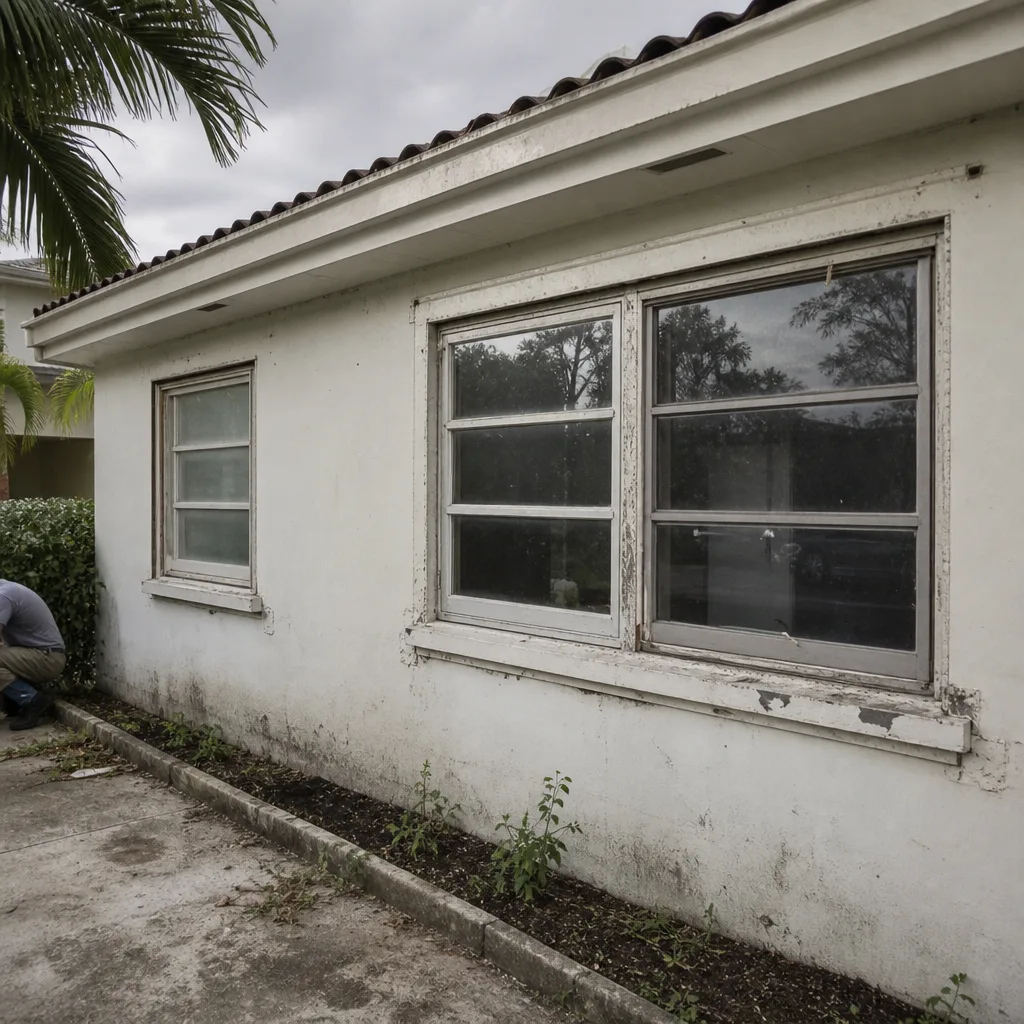 Before
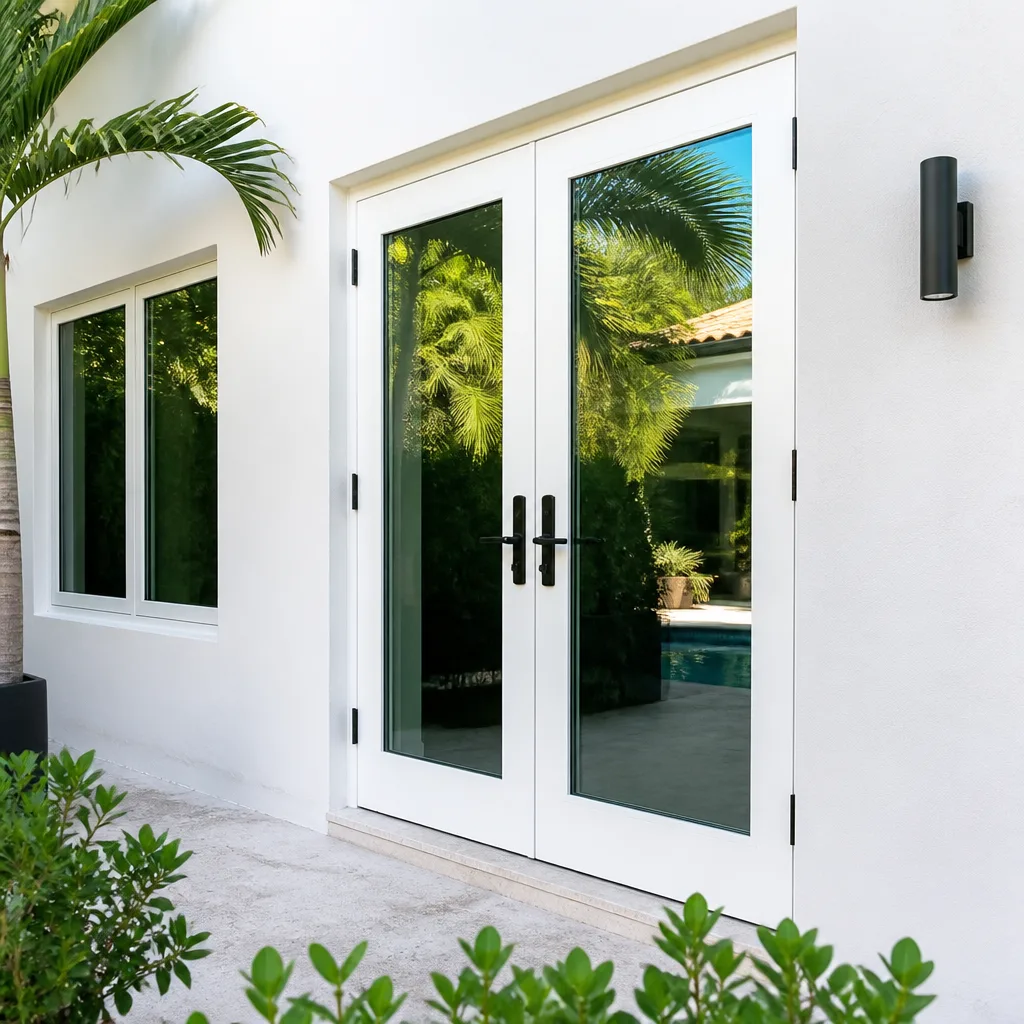 After
After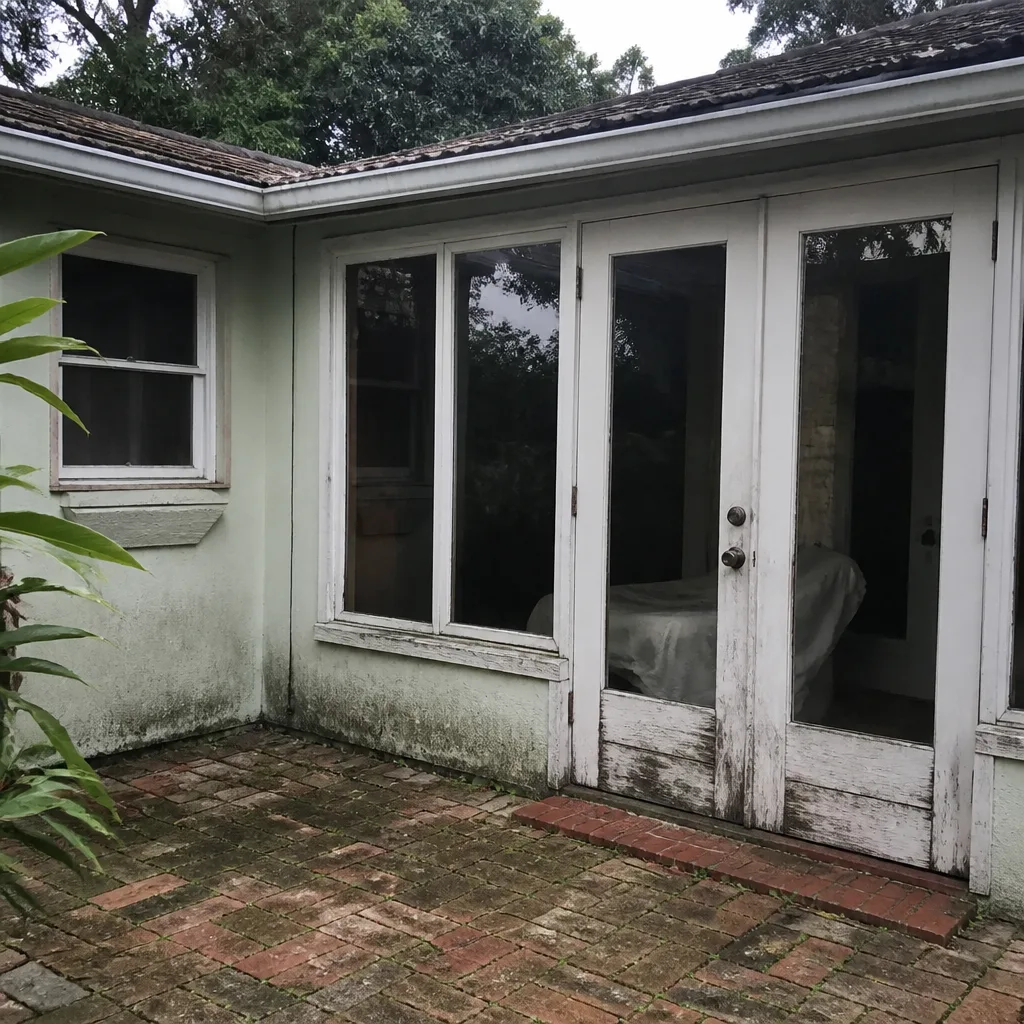 Before
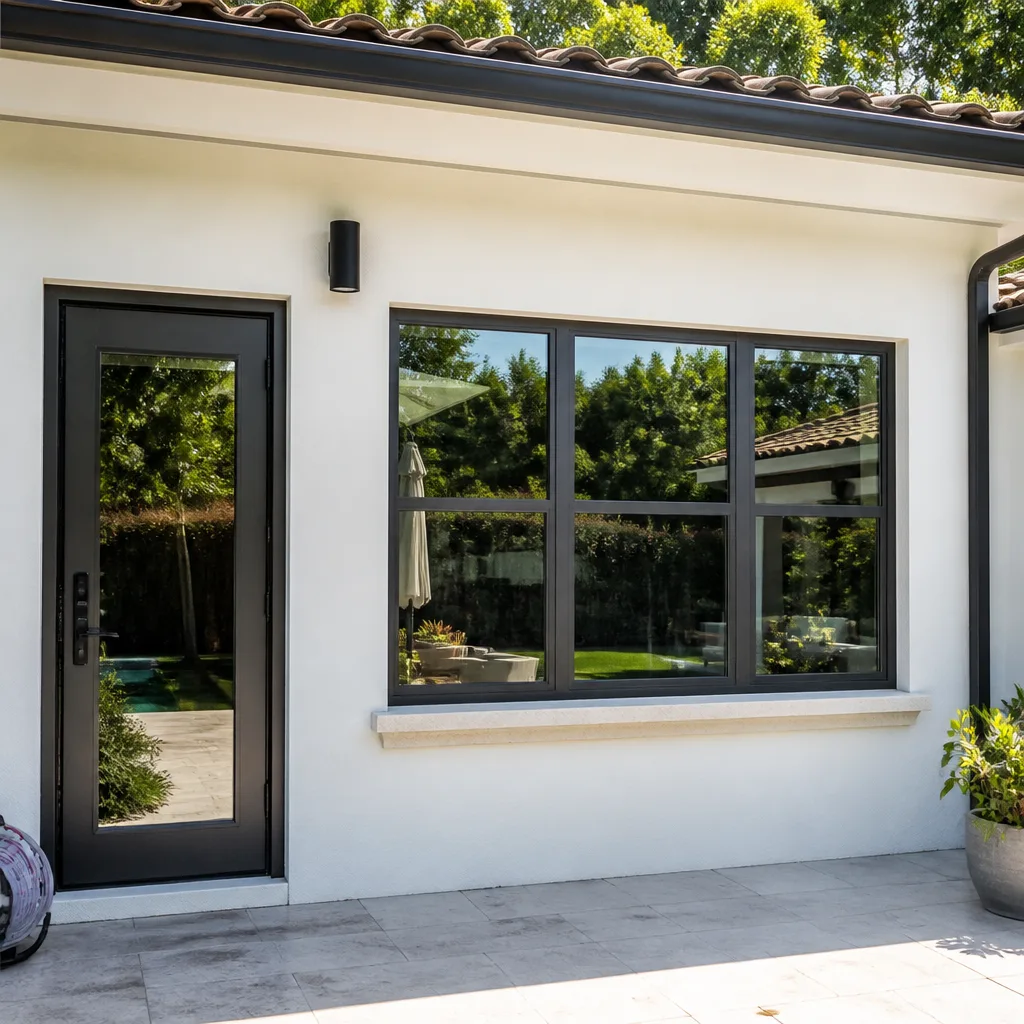 After
After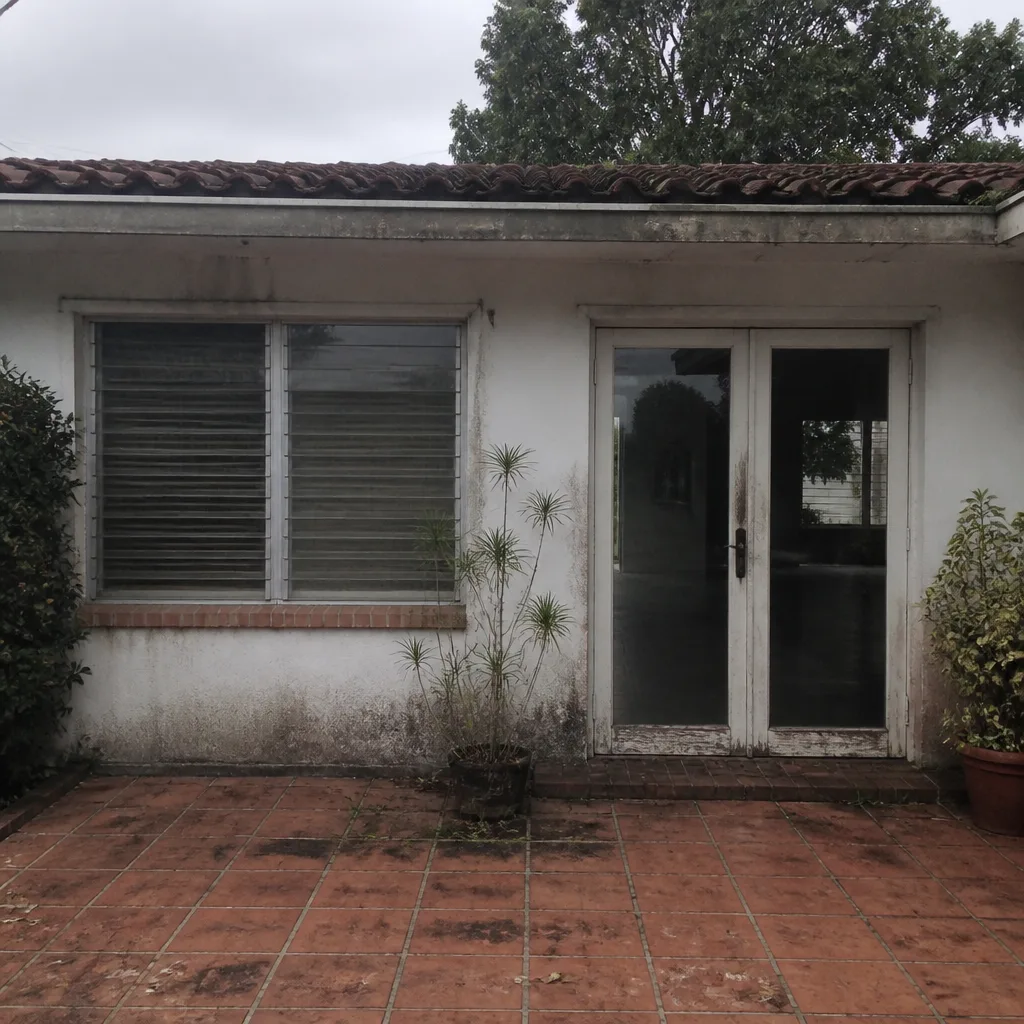 Before
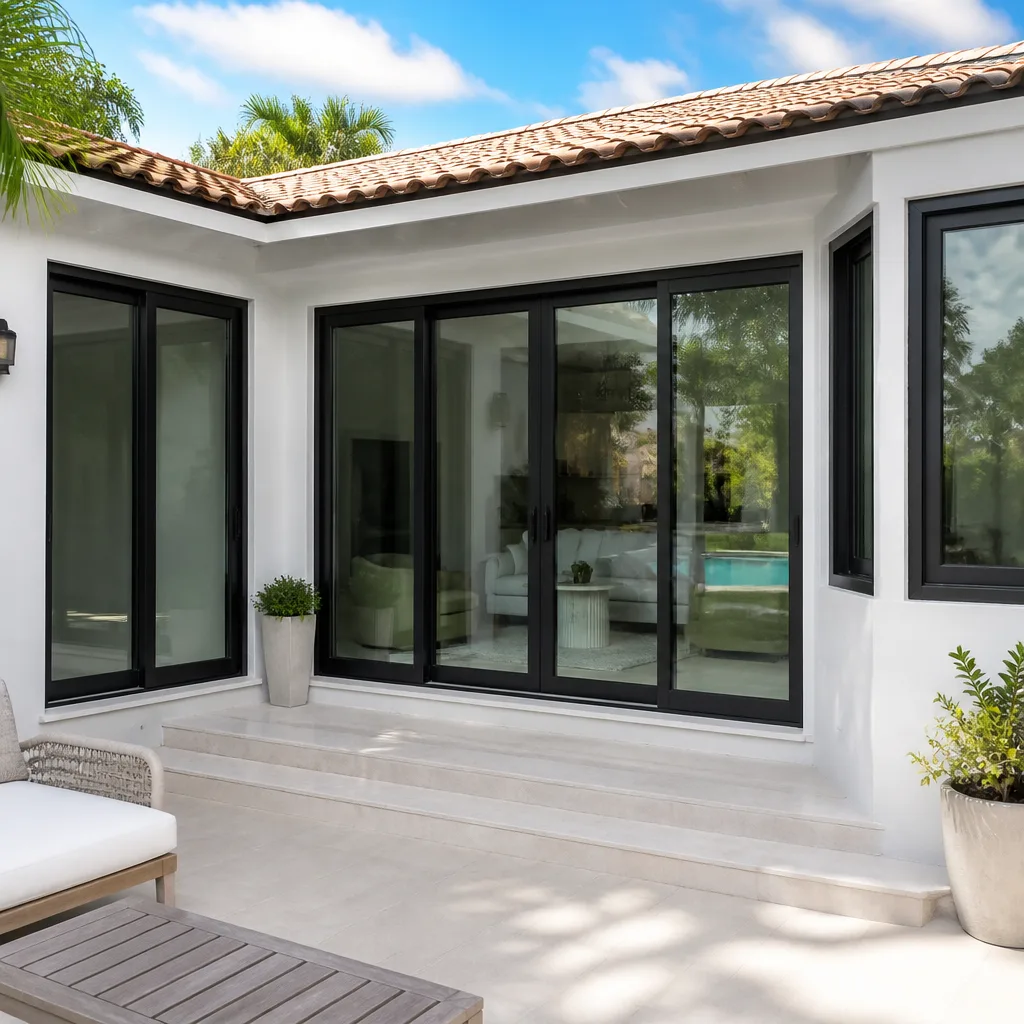 After
AfterWindows & Doors Warning Signs: A South Miami Homeowner’s Reference Guide
Most window and door failures in South Miami give homeowners 12 to 18 months of visible warning before they become structural or insurance problems. A hairline crack in the corner of a window frame isn’t cosmetic here. In a Miami-Dade wind zone, it’s a stress fracture that can cause a panel to blow inward at 110 mph and trigger a full roof-pressure cascade. This guide teaches you to read those signals before a storm or inspector does it for you, and you can explore more guides & resources once you’ve finished. We’ll walk through what to look for, what it means, and when it’s time to pick up the phone.
Quick Answer
The warning signs that matter most in South Miami are: corner cracks in window frames, doors that stick or won’t latch, condensation or fog between glass panes, visible corrosion on aluminum frames, and interior paint bubbling or mold near window and door openings. Any one of these is a signal that water, air, or structural movement is already at work. Catching them early usually means a repair; ignoring them means a replacement, a failed inspection, or worse.
Table of Contents
- Why South Miami Is Harder on Windows and Doors Than Almost Anywhere Else
- The Dollar Bill Seal Test: 60 Seconds That Reveals Everything
- Frame Cracks and Corrosion: Reading the Difference Between Cosmetic and Structural
- Doors That Stick, Drag, or Won’t Latch: What Your Door Is Trying to Tell You
- Glass and Seal Failures: Fog, Haze, and the Condensation Nobody Mentions
- Interior Warning Signs Most Homeowners Miss
- DIY-Monitor vs. Call-a-Contractor-Today: The Decision Line
- Common Mistakes to Avoid
- When to Call a Professional
- Frequently Asked Questions
- The Bottom Line
Why South Miami Is Harder on Windows and Doors Than Almost Anywhere Else
South Miami sits in the High Velocity Hurricane Zone. That’s not a figure of speech. It’s a code designation that dictates stricter impact standards, stronger anchoring, and more demanding inspections than anywhere else in the continental United States. Your windows and doors aren’t just keeping out rain. They’re holding the building envelope together when the wind tries to tear it apart.
Salt air is the second constant. Homes within a few miles of Biscayne Bay get a steady, invisible coating of marine salt that attacks aluminum frames, steel hardware, and even the seals around insulated glass. We’ve pulled windows out of South Miami homes that looked fine from ten feet away but had frame channels so corroded the glass was the only thing holding the sash square.
Humidity is the third factor. South Miami’s wet season runs from May through October, with indoor relative humidity routinely above 60% unless the AC is doing serious work. That moisture finds every gap, every failed seal, every pinhole in flashing. What starts as a foggy pane in June becomes rotted framing and mold by the following spring.
None of this is a reason to panic. It’s a reason to pay attention. The signs below are the early-warning system your house already has built in. Learning to read them is the cheapest insurance policy you’ll ever get.
The Dollar Bill Seal Test: 60 Seconds That Reveals Everything
Here’s a test you can run on any window or door in your South Miami home right now, with nothing but a dollar bill.
How it works:
- Open the window or door.
- Place a dollar bill flat against the frame or sill where the weatherstripping meets when closed.
- Close the window or door and latch it.
- Try to pull the dollar bill out.
What the result means:
- If the bill slides out easily with no resistance: The weatherstripping is compressed, worn, or misaligned. Air and moisture are passing through that same gap. In an impact window, this also means the compression seal that helps resist water intrusion during a storm may not be seating properly.
- If the bill pulls out with some friction but not much: The seal is degrading. You’re not in imminent danger, but efficiency is dropping and moisture is getting in. Plan for replacement within the next year.
- If the bill tears before it comes out: The seal is doing its job. Move on to the next window.
Run this test on every window and exterior door in the house, ideally in the morning before the sun heats things up and changes how materials sit. Write down which openings fail. That list tells you where your energy dollars are leaking and where water will find its way in during the next heavy storm. If you find multiple failures, it’s worth calling us at (850) 930-1813 to talk about whether weatherstripping replacement is enough or if the seals themselves have reached the end of their life.
Frame Cracks and Corrosion: Reading the Difference Between Cosmetic and Structural
A crack in a window frame is never something to shrug off in South Miami. But there’s a real difference between a surface blemish and a structural warning. Knowing which is which saves you either a needless replacement or a dangerous failure.
Cosmetic frame oxidation: On aluminum frames, especially on homes within two miles of the coast, you’ll see white or gray chalky patches on the surface. This is normal oxidation of the aluminum’s finish. It looks bad but doesn’t compromise the frame’s strength. You can confirm by pressing on the area. If the metal underneath is still solid and the corner joints are tight, you’re looking at a cosmetic issue. It’s still worth addressing because raw aluminum exposed to salt air will eventually move from cosmetic to structural, but you have time.
Structural frame corrosion: This looks different. You’ll see bubbling, flaking metal, or a powdery white residue that doesn’t wipe clean. At corner joints, look for visible gaps, misalignment, or fasteners that have rusted through. If the frame flexes when you press on it, or if the glass panel shifts within the frame, that’s structural. In a Miami-Dade wind event, a structurally compromised aluminum frame can separate at the corner, and the entire panel becomes a sail. We’ve seen corner cracks on impact windows that looked like hairline marks from the outside but had propagated through the entire frame channel on the inside. Those panels weren’t just leaking. They were waiting to fail.
Corner cracks specifically: Any crack at a frame corner, even a hairline one, deserves a professional look. Corner joints carry the most load in an impact window because that’s where the frame transfers wind pressure to the wall. A crack there is the frame telling you it’s been overstressed. It might be from a previous storm, a bad install, or frame corrosion eating from the inside. Either way, it’s a call-a-professional signal, not a DIY-monitor one.
Doors That Stick, Drag, or Won’t Latch: What Your Door Is Trying to Tell You
In South Miami, there’s a standing myth that doors stick in summer just because of humidity. It’s a comfortable explanation. Wood swells. The door fits tighter. Everyone moves on.
The problem is that a properly installed exterior door in South Miami should already account for seasonal movement. When a door only sticks in summer, and has always stuck in summer since it was installed, that’s a tolerance issue. But when a door used to close smoothly and now sticks, drags against the threshold, or the latch no longer lines up with the strike plate, something structural has changed.
What a sticking door actually signals:
- Foundation movement: South Miami’s soil is a mix of limestone and sandy fill. It expands and contracts with moisture. Over years, this movement shifts the way door openings sit in their rough frames. The door can’t move. The opening can. When they disagree, the door sticks.
- Hinge wear or frame sag: Heavy doors, especially impact-rated doors with laminated glass and solid cores, put enormous load on hinges. A door that rubs at the top on the latch side usually has a sagging top hinge or a frame that’s pulling away from the wall.
- Expansion of the door slab itself: If the door slab swells, it wasn’t properly sealed against moisture on all six sides. This happens with entry doors that were never back-primed, or with doors installed with the bottom rail exposed to standing water.
Pull a level out and check the door slab and the jamb. If the jamb is plumb but the slab isn’t hanging square, it’s a hinge or sag issue. If the jamb itself is out of plumb, the opening has shifted. Neither is a humidity problem. Both are fixable, and catching them early means a hinge or shim adjustment instead of a full door replacement. For Window Installation in South Miami and door work, we check the opening for movement before we ever hang a new slab, because a door is only as good as the wall it lives in.
Glass and Seal Failures: Fog, Haze, and the Condensation Nobody Mentions
Every insulated glass unit, whether impact-rated or standard, has a seal. That seal keeps the space between the two panes filled with dry air or inert gas. When the seal fails, that space fills with humid Florida air. The first symptom is fog or haze between the panes that you can’t wipe off from either side.
Permanent fog between panes: The seal has failed. Period. There’s no repair that restores a failed insulated glass unit’s clarity. The unit needs replacement. The good news is that in many frames, especially aluminum impact frames from brands like CGI or ES Windows, the glass can be replaced without replacing the entire frame. The bad news is that a failed seal means you’ve been losing energy efficiency since the moment it failed, and the longer it sits, the more likely the frame channel starts holding moisture against the glass edge, which can lead to frame corrosion.
Haze that comes and goes with temperature: This is a slower-developing seal failure. The unit still holds some integrity, and the fog only appears on cool mornings or hot afternoons when the temperature differential is greatest. You’re in the final months of that unit’s life. Budget for replacement before it becomes permanent fog.
Condensation on the interior surface of the glass: This isn’t a window failure at all. It’s a humidity problem inside your home. If your windows sweat on the inside in the morning, your indoor humidity is too high. That excess moisture is finding the coolest surface in the room: your window glass. Fixing this means addressing ventilation, AC performance, or dehumidification. But note that chronic interior condensation can damage window frames from the inside over time, especially wood interiors or composite windows.
One more thing worth knowing: South Miami building codes changed significantly after Hurricane Andrew, and again after Irma. If your windows were installed before the current impact standards took effect, or if they came with the house and you’ve never verified they were permitted, it’s worth a call to check. We offer free estimates in South Miami and can tell you quickly whether your existing glass meets today’s code. For a deeper dive, see The Complete Guide to Windows & Doors in South Miami.
Interior Warning Signs Most Homeowners Miss
The most damaging window and door failures are the ones you don’t see from outside. They announce themselves on interior walls, baseboards, and tile. By the time these signs show up, water has already been getting where it shouldn’t for months.
Paint bubbling or peeling near window or door frames, especially on interior walls: Water is coming through the wall cavity around the opening. This is almost always a flashing problem, not a window problem. The window itself might be fine, but the way it was tied into the weather barrier has failed. In South Miami’s wind-driven rain, water doesn’t fall straight down. It gets pushed sideways and upward. Flashing details that would work in Orlando fail here. A bubble in the wall is the first visible sign that your flashing lost the argument.
Mold or musty smell near baseboards adjacent to windows or patio doors: Similar story. Water is entering the wall around the opening and traveling down to the bottom plate, where it soaks into the baseboard and drywall. The mold you can see is usually just the edge of a bigger colony inside the wall cavity.
Tile grout cracking in a straight line from a window or door toward the floor: This is a sign of movement, and movement around an opening in a South Miami home often traces back to water-damaged framing that’s swelling or a failed fastener that’s letting the opening shift. It can also be a sign of normal settling. The distinction matters: if the grout cracks are hairline and haven’t changed in years, it’s likely settling. If they’re new, widening, or accompanied by a door that suddenly sticks, treat it as active movement.
Drywall cracks spreading from the corner of a window or door opening: These are diagonal cracks, going from the corner of the opening upward or outward at a 45-degree angle. This is a classic sign of stress concentration at the corner of the rough opening. Impact windows and heavy doors transfer enormous loads into the wall at these points. A crack here can mean the opening wasn’t properly reinforced. It’s worth having a professional look before the next hurricane season.
DIY-Monitor vs. Call-a-Contractor-Today: The Decision Line
Most warning signs fall into one of two buckets: things you can watch and things that need action now. The decision line is simple. If the issue affects water resistance, structural integrity, or the locking function of an entry point, it’s a contractor call. If it’s cosmetic but progressive, you can monitor it with a calendar and a camera.
Signs you can monitor (with a plan):
- Surface oxidation on aluminum frames that’s still solid underneath
- Weatherstripping that’s worn but still passes the dollar bill test with some resistance
- Hairline grout cracks that haven’t changed in over a year
- Interior condensation that appears only on very humid mornings and resolves by midday
- Door sticking that’s seasonal and has been consistent since installation
For any of these, take photos on the first of the month and compare. Note the date, the weather, and anything that changed. If the issue progresses, move it to the other list.
Signs that need a professional now:
- Any crack at a frame corner, no matter how small. Corner cracks in impact windows are structural by definition.
- Fog between glass panes that doesn’t wipe off. The seal has failed and the unit is no longer doing its energy or impact job.
- A door that won’t latch. An entry door that won’t lock is a security problem and an insurance problem, and it’s usually a sign of movement behind the scenes.
- Paint bubbling, mold, or drywall cracking near any window or door opening. Water is already inside the wall.
- Structural corrosion: flaking metal, holes, or frames that flex under hand pressure.
- Any water on the interior floor after rain. Not dampness. Water. This is a flashing or seal failure and it will not self-correct.
If you’re not sure which bucket something belongs in, take photos and call us at (850) 930-1813. Ed Winslow or someone on our team will help you think it through. We answer the phone. That’s not a marketing line. It’s how we’ve operated since 2011.
Common Mistakes to Avoid
- Ignoring hairline corner cracks because they’re “small.” Stress fractures in impact window frames don’t get smaller. They propagate. In a wind event, the only thing holding the panel is the frame. If the frame is cracked, the panel’s rating is compromised.
- Assuming a sticking door is just humidity. South Miami humidity doesn’t change the geometry of a properly installed door opening. If the door used to close fine and now doesn’t, something moved. Find out what.
- Caulking over failing flashing. Interior caulk on a bubbling wall crack is like painting over mold. It hides the symptom while the moisture keeps working inside the wall cavity. The fix is at the opening, not on the surface.
- Replacing glass without checking the frame channel. A failed seal is a chance to inspect the frame for corrosion at the glass edge. Skip that step and you’re putting new glass into a frame that’s quietly failing.
- Waiting until hurricane season to think about impact windows. In South Miami, the best time for Impact Windows in South Miami is the fall and winter, when installers have capacity and you’re not competing with everyone else who waited for the June forecast.
- Assuming the previous owner’s windows are code-compliant. Homes change hands. Windows get replaced without permits more often than anyone wants to admit. If you’ve never checked, don’t assume. It takes one inspection to find out.
- Ignoring foggy windows because “they still open.” A failed seal means the window is no longer performing as an insulated unit. The energy loss is real, and in an impact window, the structural bond between glass and frame can degrade over time as moisture works at the laminate. It’s cheaper to replace a glass unit than a whole panel after a storm.
When to Call a Professional
You should call a professional any time you see a frame corner crack, permanent fog between panes, water on the interior floor after rain, or a door that won’t latch. If you’re weighing whether to tackle any of this yourself, read our DIY vs Professional Windows & Doors: The South Miami Homeowner’s Decision Guide first. Those are not monitor-and-wait situations. You should also call if you’ve noticed progressive changes inside your home: paint bubbling near openings, mold at the baseboards, or drywall cracks spreading. These are signs that water or movement is already at work inside the wall, and the repair cost grows every month it’s left alone.
Winslow Windows & Doors offers free estimates in South Miami. Call (850) 930-1813 and a real person will answer. We’ll come look, tell you what we see, and give you straight numbers. No pressure. No games. Ed’s name is on the door, and on every job we do.
Frequently Asked Questions
Impact window replacement in South Miami typically runs between $900 and $1,800 per opening depending on size, brand, and whether the frame can be reused. Standard non-impact windows run lower, usually $500 to $900 per opening. Call (850) 930-1813 for an exact quote, and remember we offer a free second opinion on any written estimate you’ve already received.
Look for corner frame cracks, permanent fog between panes, visible structural corrosion, or a dollar bill that slides freely past the weatherstripping on a closed window. Any of these means the window is no longer performing as an impact-rated unit and should be evaluated by a professional.
No. A sticking door can be caused by hinge wear, a sagging slab, or poor installation. But if the jamb itself is out of plumb, or if the sticking is new and progressive, foundation or framing movement is a real possibility. A professional can tell the difference in ten minutes with a level and an inspection of the opening.
Not always. In many frames, including aluminum impact frames from brands like CWS and ES Windows, the insulated glass unit can be replaced without replacing the entire frame. The sooner the failed unit is addressed, the more likely the frame can be saved. Waiting gives moisture time to work on the frame channel.
South Miami requires impact-rated products or approved shutters for all glazed openings, and the building is subject to Miami-Dade County’s High Velocity Hurricane Zone code. Products must meet large-missile impact standards, which means glass that can hold up to a 9-pound 2×4 fired at 34 mph. We install PGT, CGI, CWS, ES Windows, and other approved brands. Before purchasing any window for a South Miami home, verify that it carries the proper Miami-Dade or Florida Building Code product approval.
Most window replacement projects are completed within one to two days for a standard single-story home, and insurance or permit considerations may add time depending on the scope. We provide a written timeline before we start. For those considering an upgrade, Window Replacement in South Miami with impact-rated glass is the best time to address any framing or flashing issues hiding behind the old windows.
The Bottom Line
Your South Miami home gives you warning signs. Corner cracks, sticking doors, foggy glass, bubbling paint, and grout lines that appear out of nowhere are all the house talking to you. The only question is whether you’re listening. Most of these failures can be caught early, repaired for far less than you’d expect, and prevented from becoming a structural or insurance nightmare. Pay attention. Take photos. Run the dollar bill test twice a year. And when something crosses the line from “I’ll keep an eye on it” to “I’m not sure I should wait,” call us at (850) 930-1813. We’re the one down the road. Winslow Windows & Doors home has served South Miami since 2011, and Ed Winslow’s name is on every job we do. Upfront pricing. No surprises on the invoice. A neighbor you can call at 2 a.m. and someone will actually answer.
Written by Ed Winslow, Owner at Winslow Windows & Doors, serving South Miami since 2011.
Six Reasons Homeowners Choose Winslow Windows & Doors
Impact systems engineered to design pressures up to +/-100, matched to your wind zone - your openings hold when the storm arrives.
Low-E insulated impact glass from our manufacturer lines commonly cuts monthly cooling bills 20-30%.
Laminated impact glass shuts out up to 40% of outside noise - traffic, neighbors, weather.
Monitoring services run $30-90 a month. Laminated impact glass resists forced entry around the clock, with no subscription.
Florida homeowners average around 25% savings on the windstorm portion of their policy after protecting every opening - some homes qualify for more.
A full impact package upgrades curb appeal, buyer confidence and appraised value in one project.