
Last updated August 27, 2026
Free in-home measure and quote - PGT, CGI and CWS impact lines compared on your actual openings, style by style
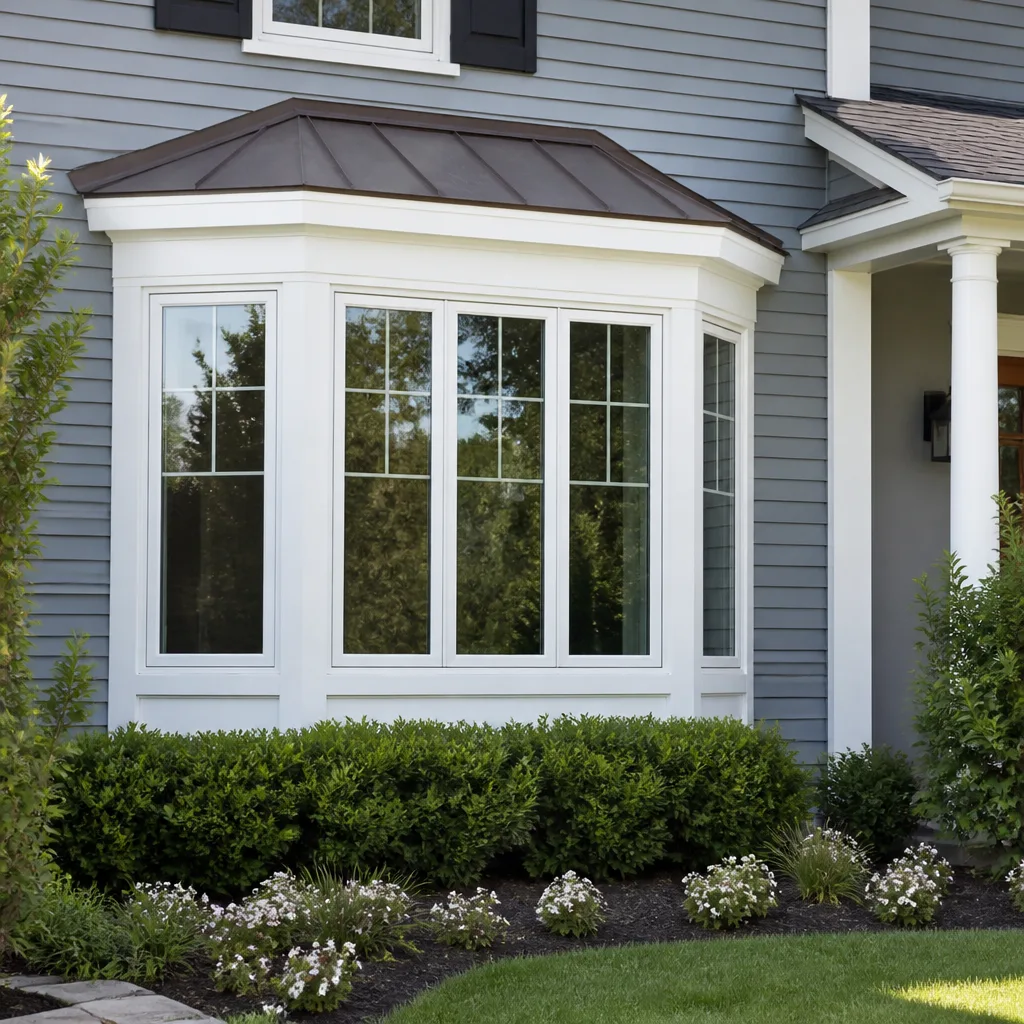
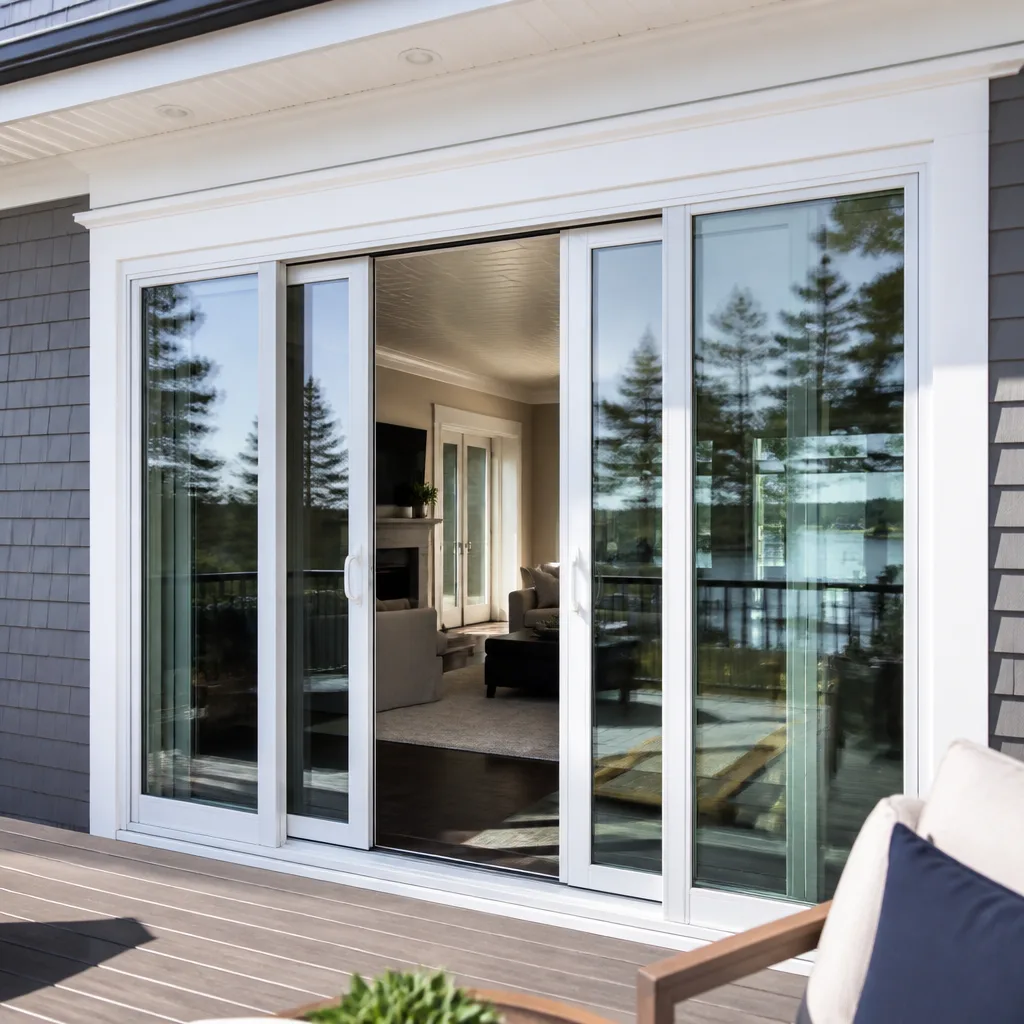
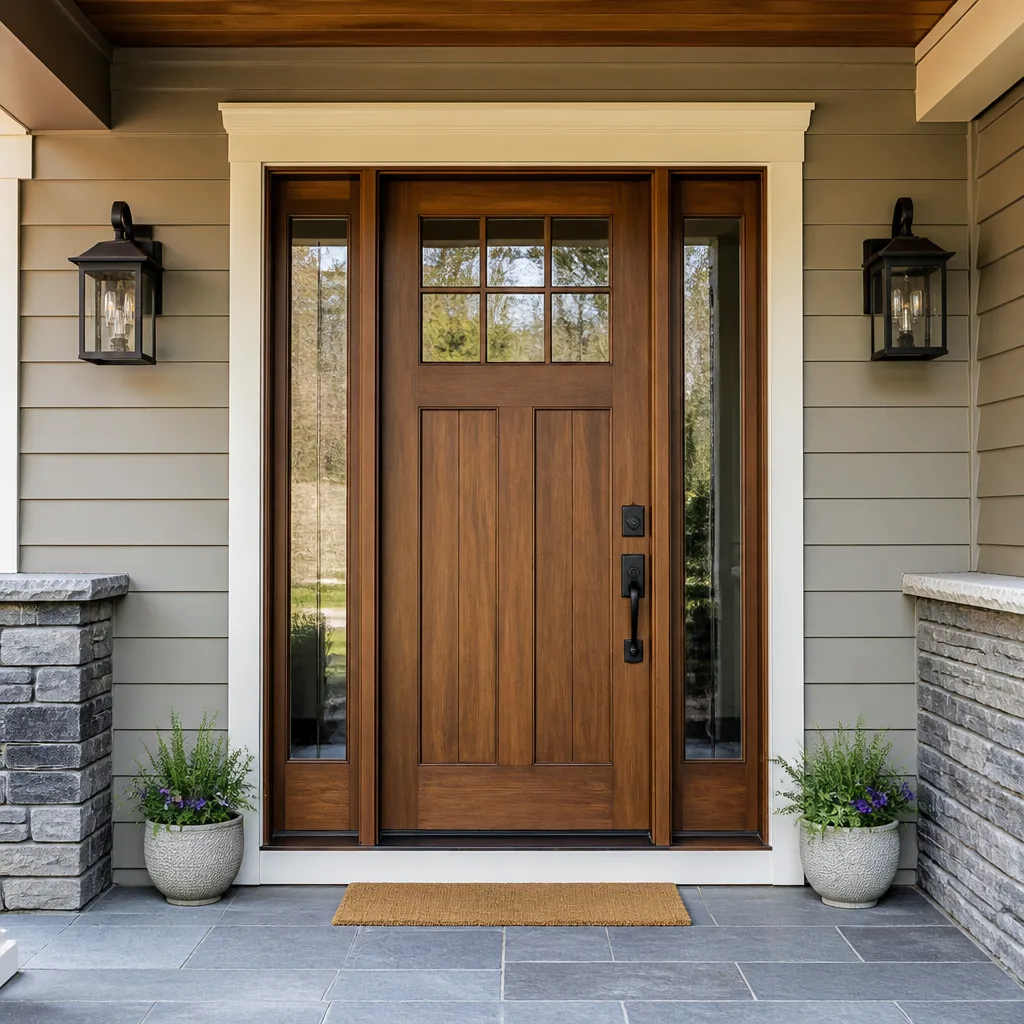
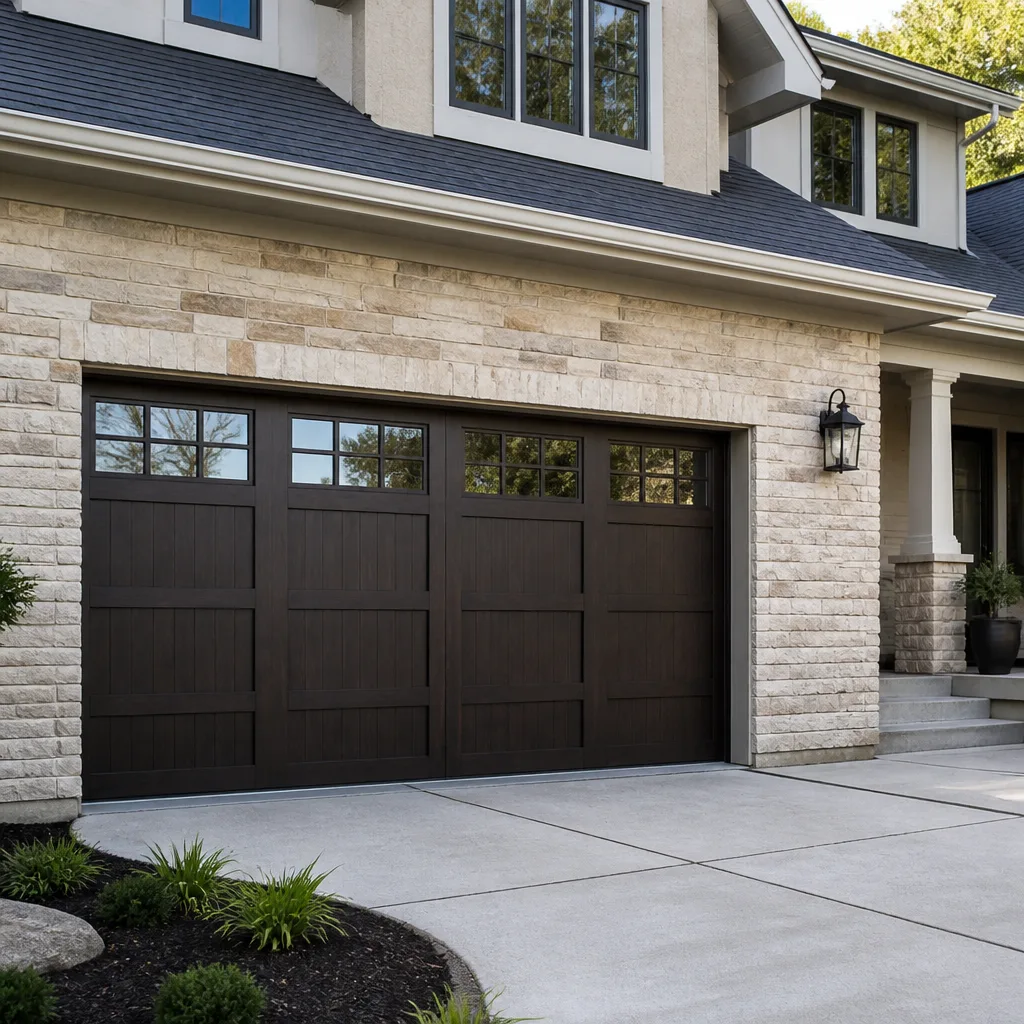
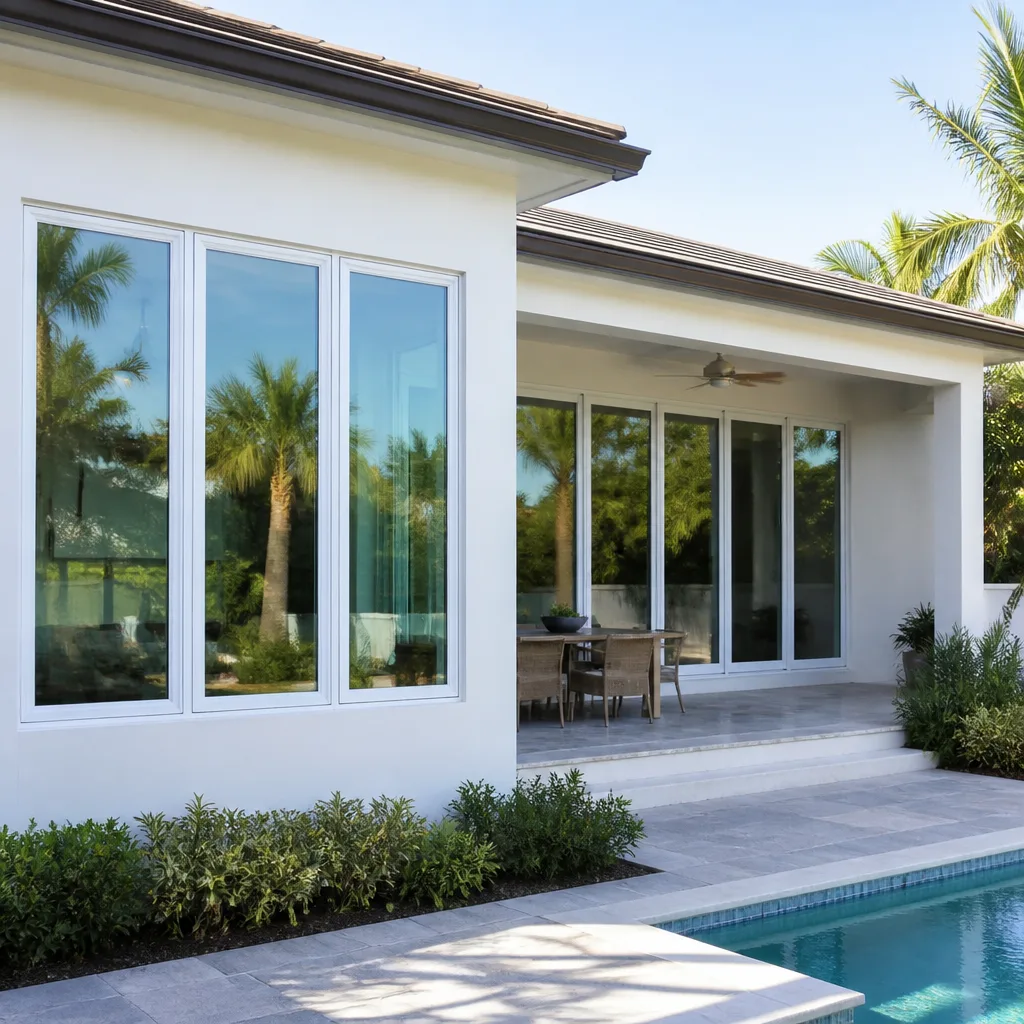
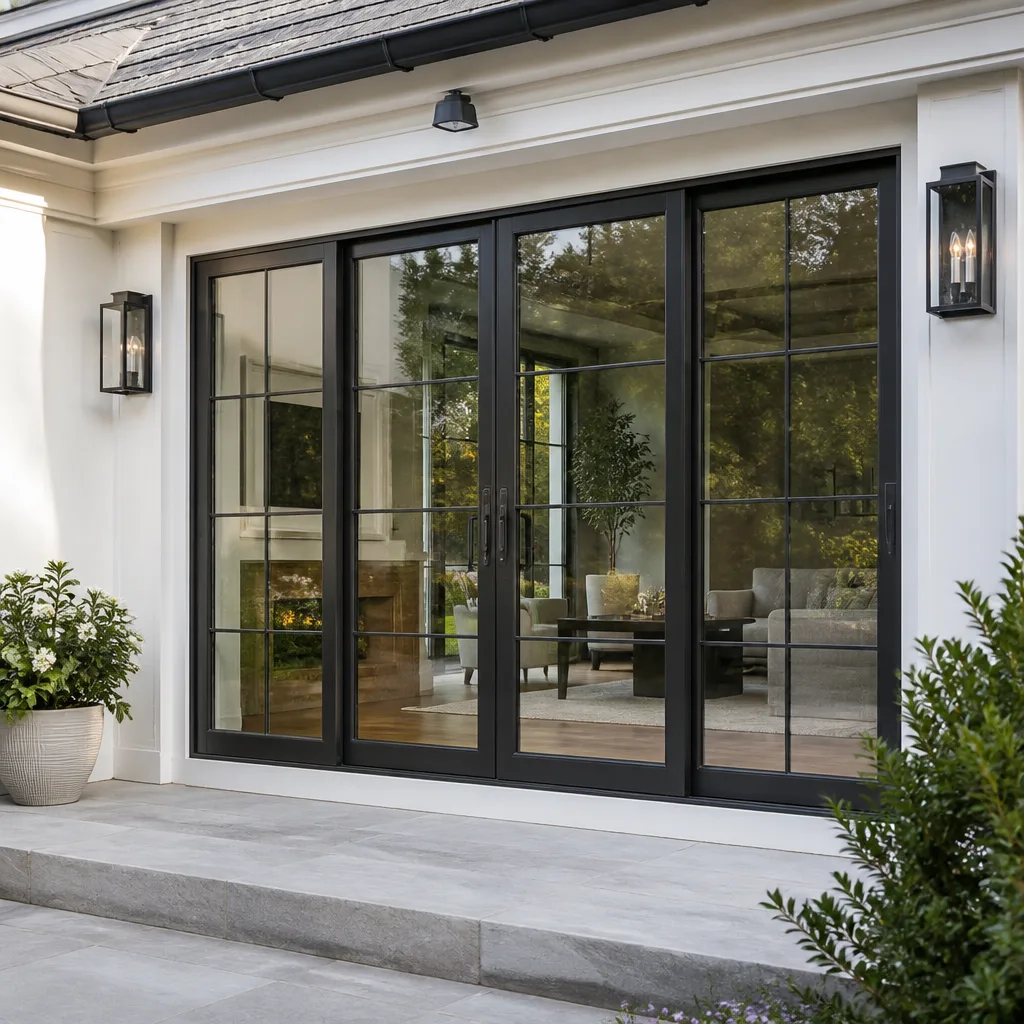
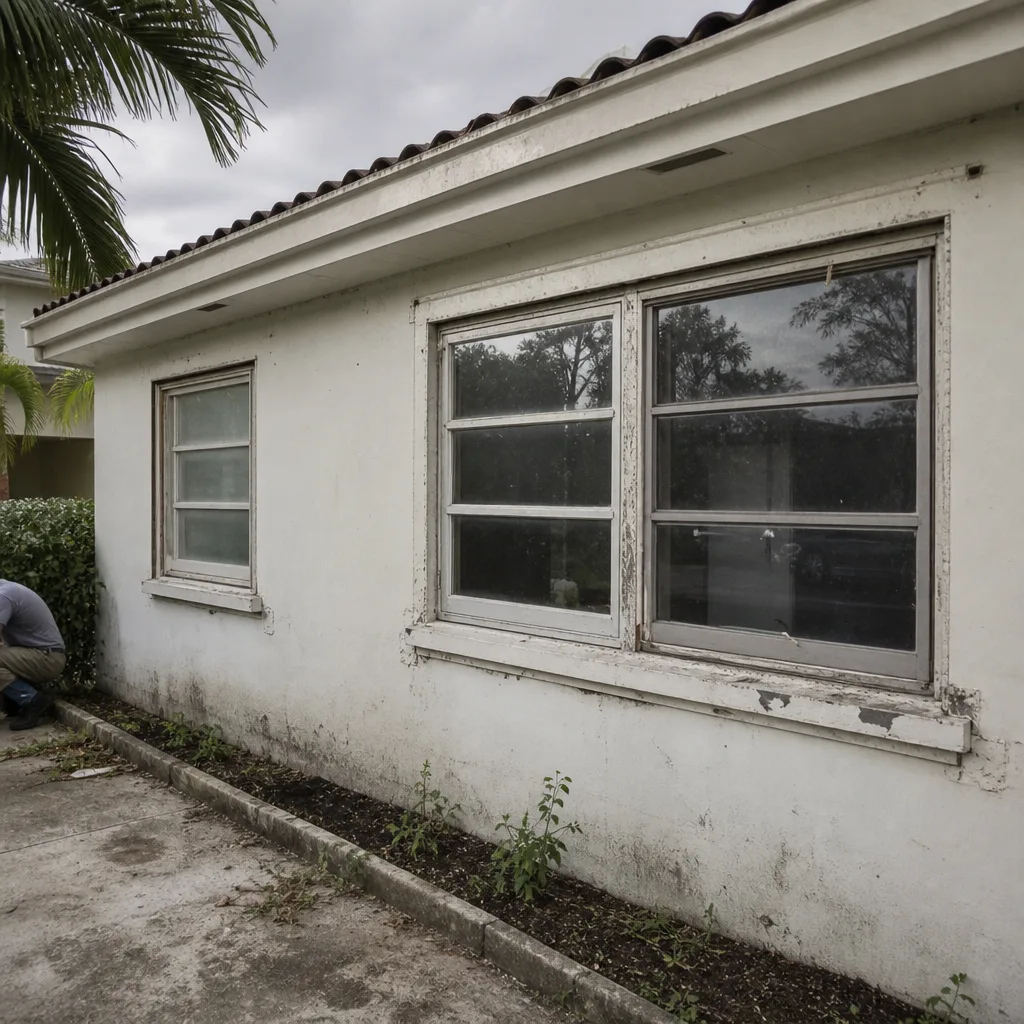 Before
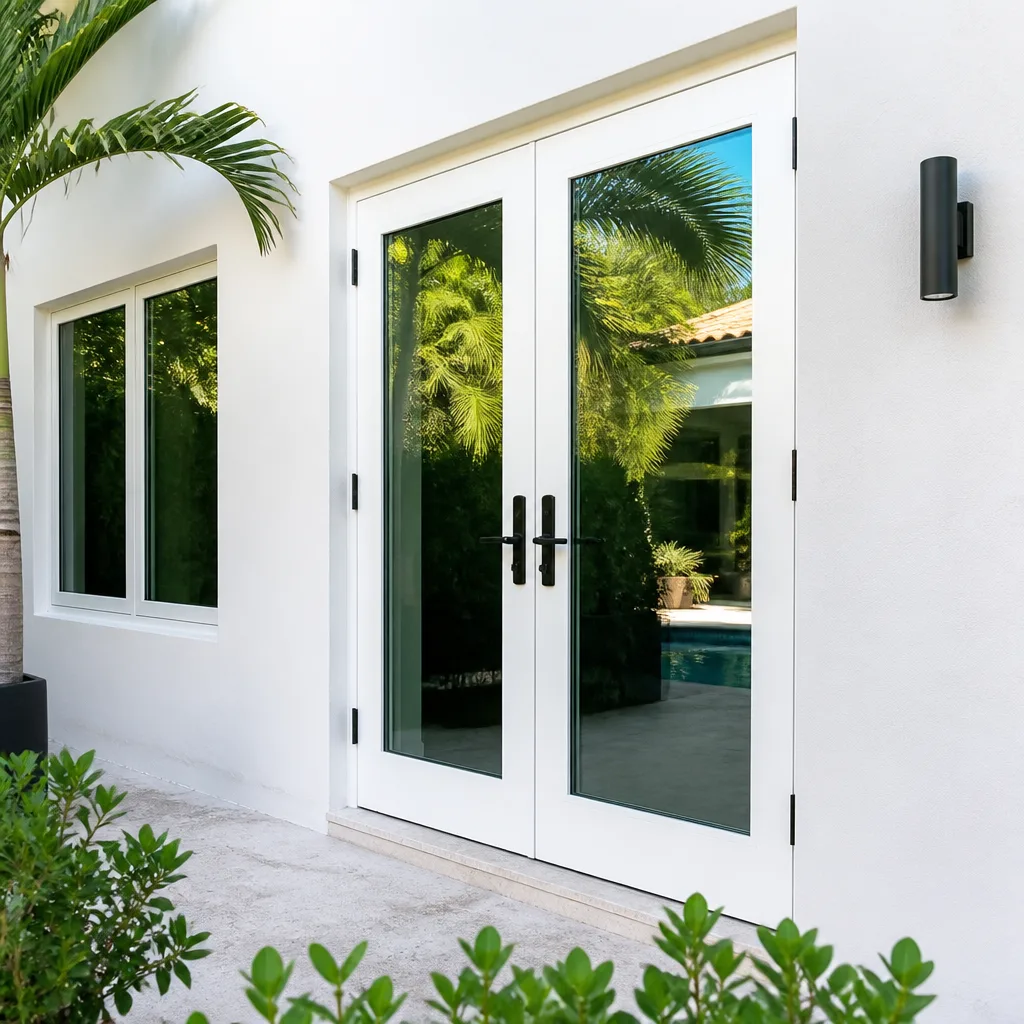 After
After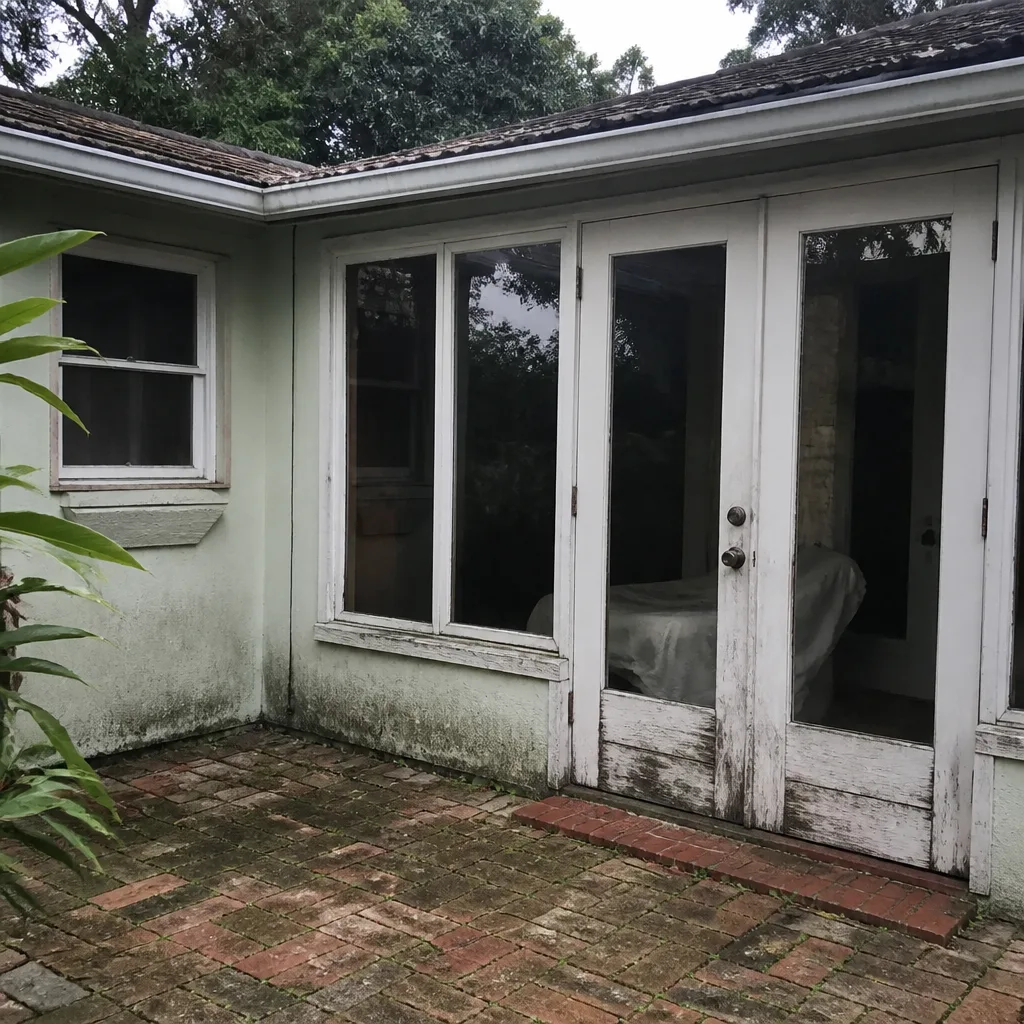 Before
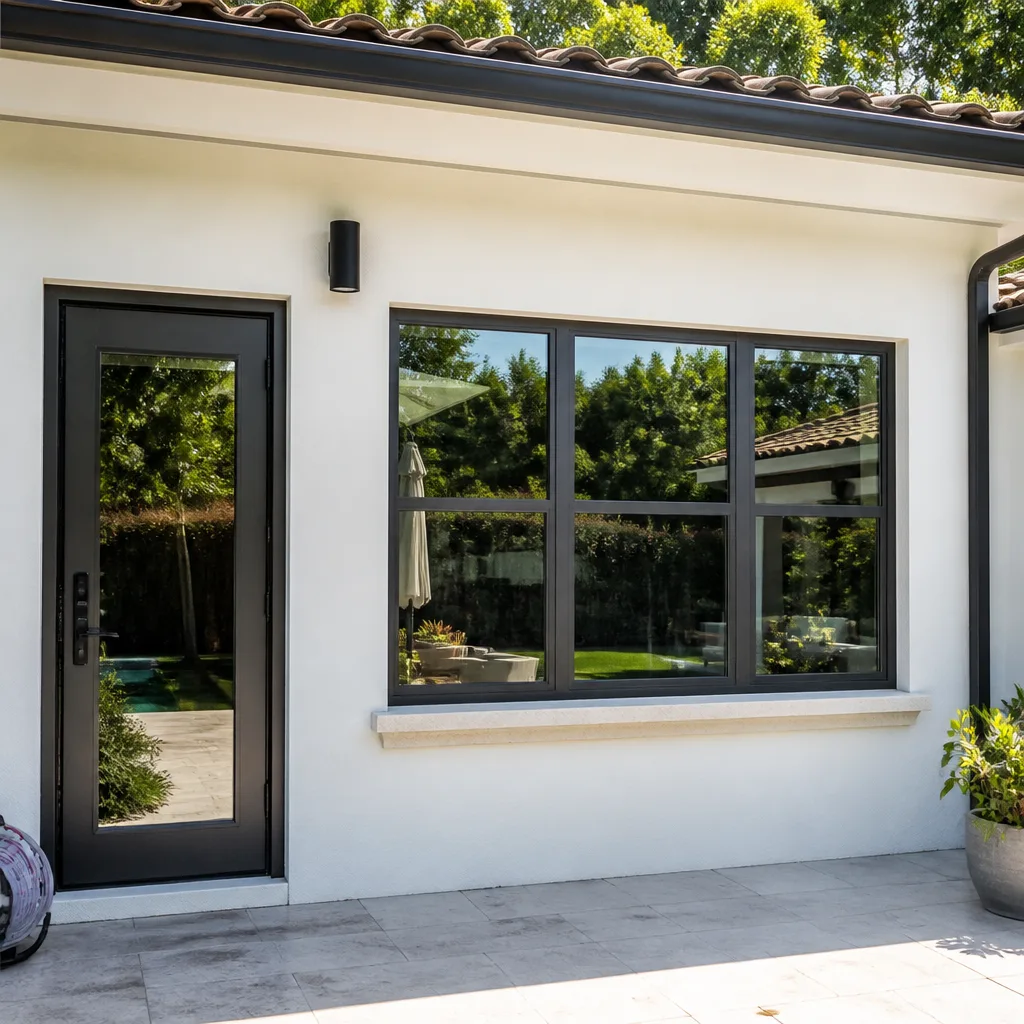 After
After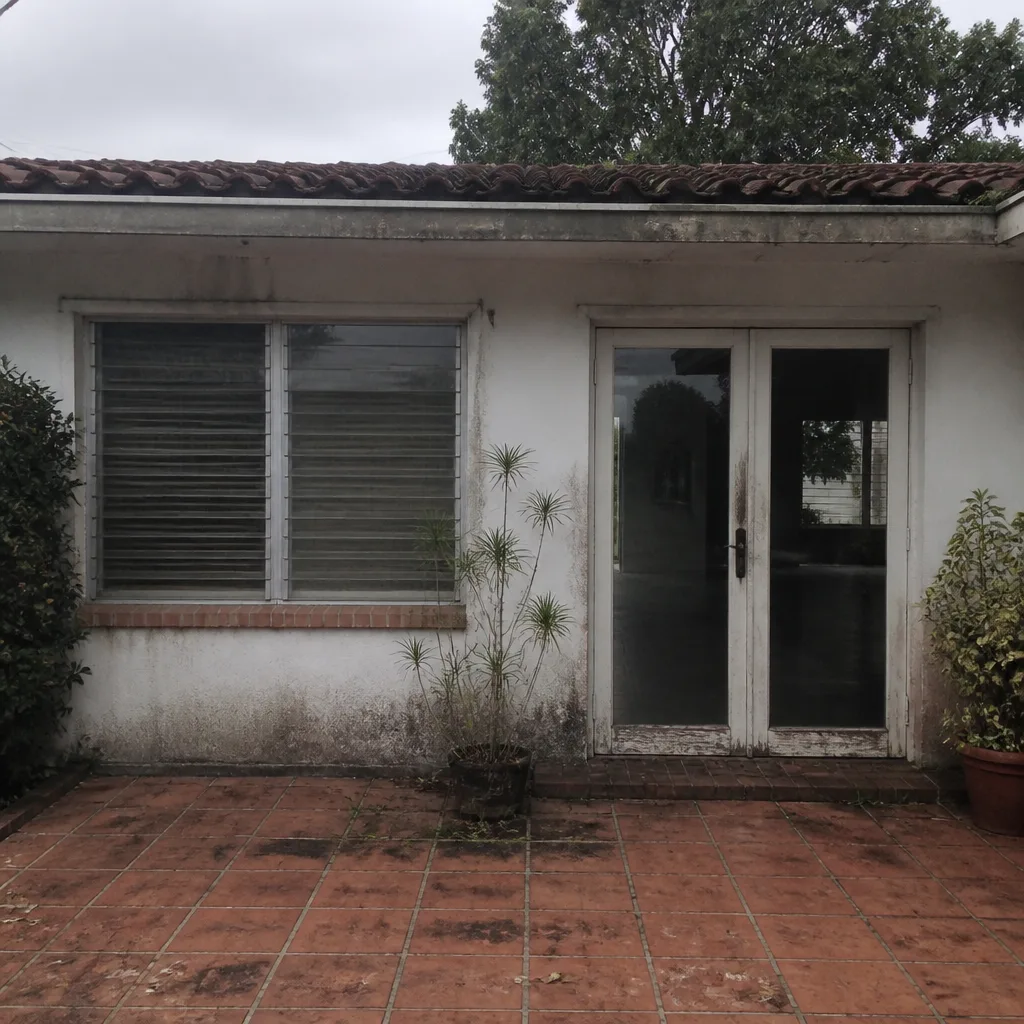 Before
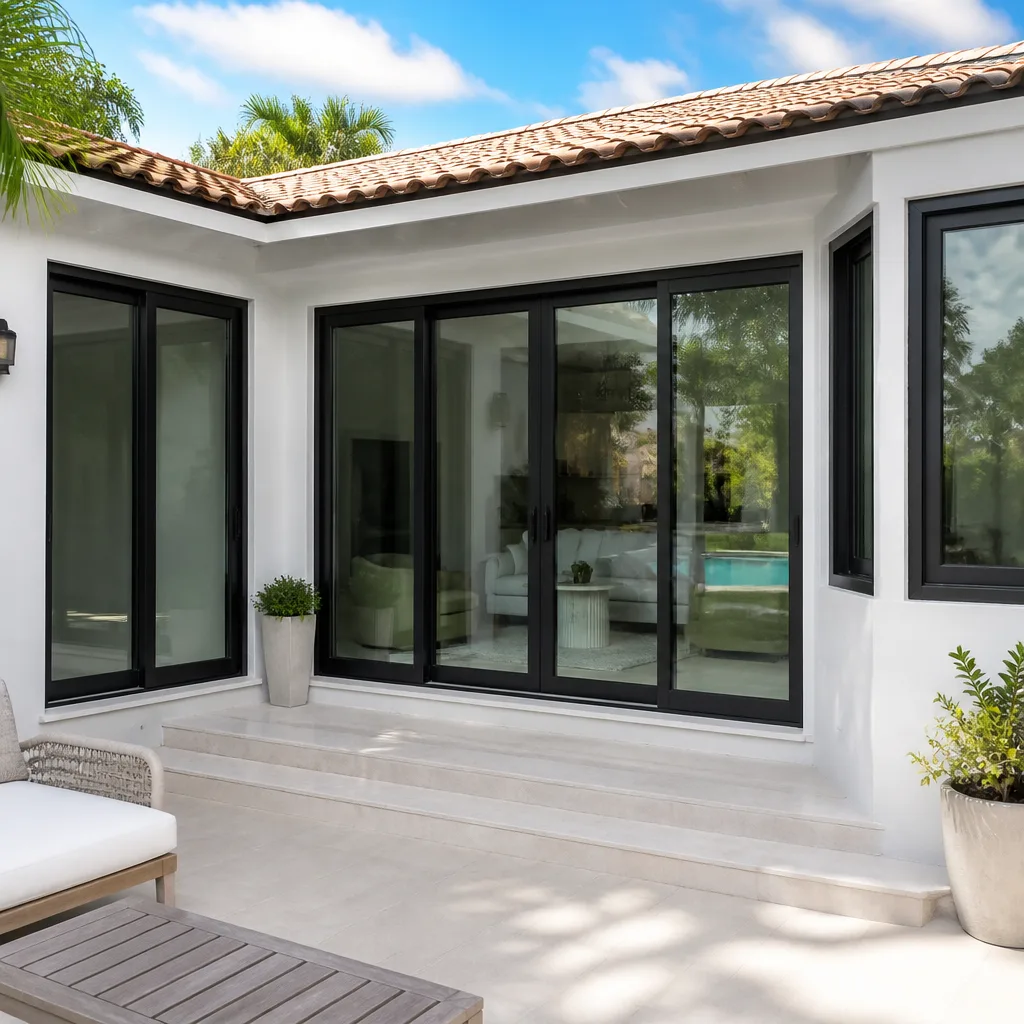 After
AfterThe Complete Guide to Windows & Doors in South Miami
Most national window guides are written for Cincinnati. That’s not a joke. The generic advice about double-pane glass, vinyl frames, and seasonal weatherstripping assumes you’re dealing with frost heave and heating bills. South Miami homeowners who follow that advice risk buying products that fail Miami-Dade’s Notice of Acceptance audit and must be removed at their own expense. This guide is different because South Miami is different. You’ll learn what actually matters here: NOA approval, salt-air corrosion resistance, wind load zones, and why your windows, doors, and roof need to work as one system.
Quick Answer
Windows and doors in South Miami must meet Miami-Dade County Notice of Acceptance (NOA) standards for wind load and impact resistance, not just Florida Building Code minimums. Products without current NOA approval can fail inspection, void your insurance discounts, and require removal at your cost. Choose impact-rated windows and doors with corrosion-resistant hardware, verify the NOA number before signing any contract, and treat windows, doors, and roofing as a single exterior protection system.
Table of Contents
- Why Miami-Dade NOA Approval Is Your First Filter
- Salt Air, Biscayne Bay, and What It Does to Hardware
- Impact Ratings, Wind Load Zones, and South Miami’s Tree Canopy
- How to Read a Miami-Dade Product Control Approval Sheet
- The Whole-Exterior Approach: Windows, Doors, and Roof Together
- Frame Materials and Glass Packages That Survive South Miami
- What Windows and Doors Actually Cost in South Miami
- Common Mistakes to Avoid
- When to Call a Professional
- Frequently Asked Questions
- The Bottom Line
Why Miami-Dade NOA Approval Is Your First Filter
Miami-Dade County operates its own product approval system, separate from the Florida Building Code. Every window and door installed in South Miami must carry a Miami-Dade Notice of Acceptance, or NOA, which certifies that the specific product, in its specific size and configuration, has passed impact and wind load testing. This is not a suggestion. Building inspectors check the NOA number against the Miami-Dade Product Control database before they sign off on your permit.
Here’s the part generic guides miss: an NOA is product-specific and size-specific. A window that holds an NOA at 36 inches wide might not be approved at 72 inches wide. The frame material matters. The glass package matters. Even the installation method matters. When a contractor shows you a window and says it’s “impact rated,” that phrase alone is meaningless without the NOA sheet to back it up.
In our experience, South Miami homeowners save themselves thousands of dollars and weeks of delay by doing one thing before comparing products: ask for the NOA number. Not the marketing brochure. Not the “meets Miami-Dade standards” claim. The actual NOA number, which you can look up yourself in the county’s online database. If a contractor hesitates or tells you the NOA is “on file,” that’s your first red flag.
Here’s the step-by-step way to verify any product before you consider it:
- Ask the contractor or supplier for the product’s NOA number, which typically looks like “FL12345” or “NOA-12345.”
- Go to the Miami-Dade County Product Control search page and enter that number.
- Confirm the NOA is current and not expired. Miami-Dade NOAs can be revoked after failed audits.
- Check that your specific product, size, and glass package are listed on the approval sheet. Look for the exact model designation.
- Verify the approved installation method matches what the contractor is proposing. Some NOAs require specific anchoring systems or frame types.
- Print the approval sheet and keep it with your permit paperwork. If a discrepancy comes up at final inspection, this is your defense.
South Miami has some of the strictest wind load requirements in the country because of its proximity to the coast. We regularly see homeowners who bought windows in a neighboring county, moved them to a South Miami property, and discovered the NOA doesn’t transfer because the wind load zone changed. Wind load zones are mapped by the county, and South Miami sits in one of the higher exposure categories. Products approved for inland Miami-Dade may not meet the same requirements closer to Biscayne Bay.
Salt Air, Biscayne Bay, and What It Does to Hardware
South Miami sits roughly 10 miles from Biscayne Bay as the crow flies, and the salt air does not care about that distance. The prevailing easterly winds carry salt-laden moisture across the city, and it settles on every exterior metal surface: hinges, locks, tracks, screws, and frame reinforcements. We’ve replaced hardware on newer windows that looked ten years older than the glass because the homeowner didn’t know to demand corrosion-resistant components.
What does salt air actually do? It accelerates galvanic corrosion, which happens when two dissimilar metals touch in the presence of an electrolyte. In South Miami, that electrolyte is saltwater vapor. Aluminum frames with steel screws are the classic problem combination. The steel corrodes first, expanding and cracking the aluminum around it. Hinges seize. Locks freeze. Sliding door rollers grind to a halt.
Here’s what to demand in your window and door specs:
- Stainless steel hardware, ideally 316 marine grade. The 304 grade is better than nothing, but 316 holds up longer in South Miami’s salt air.
- Non-metallic or thermally broken frame components where metal meets metal, which reduces the galvanic reaction.
- Powder-coated or anodized aluminum frames rather than painted aluminum. Paint chips, and once a chip exposes bare aluminum, corrosion begins.
- Sealed bearing rollers on sliding doors and windows. Unsealed rollers clog with salt grit and fail within a few years.
- Composite or vinyl frames are worth considering for areas within 3 miles of the bay if your architect or engineer approves them for your product category. They do not corrode the way aluminum does, though they have different structural limitations that must be balanced against wind load requirements.
The salt air also affects glass. Over time, salt residue etches the surface of untreated glass, especially on east-facing elevations. This is less a structural concern than a clarity and appearance issue, but it’s real. The most affordable defense is selecting glass with protective coatings specifically designed for coastal environments, which is a conversation worth having with your supplier before you commit.
Impact Ratings, Wind Load Zones, and South Miami’s Tree Canopy
South Miami is known for its dense tree canopy, which is one of the city’s defining features. That canopy is also a live missile test range during hurricane season. A 40-foot live oak loses branches in 120 mph winds, and those branches become projectiles aimed at your windows and doors. The impact rating on your windows isn’t just about wind pressure. It’s about what happens when a palm frond, a roof tile, or a tree limb slams into the glass at highway speed.
Impact-rated windows and doors are tested by firing a 2×4 missile at the glass at specific speeds, then subjecting the assembly to thousands of positive and negative pressure cycles. The goal is not to prevent the glass from cracking. The goal is to keep the glass, even when cracked, in the frame so the building envelope doesn’t open. When a window blows in during a hurricane, the rapid pressure change can lift the roof off. That’s the failure sequence impact products are designed to stop.
Wind load is measured in pounds per square foot, and the required rating varies by location. South Miami’s exposure is higher than inland areas but generally lower than waterfront properties directly on Biscayne Bay. However, tree canopy adds a complication that wind maps don’t capture. A house on a heavily wooded street faces more impact risk from flying debris than an identical house on an open lot, even if the calculated wind load is the same.
What does this mean for your decision? It means you should not cut corners on impact rating just because your wind zone calculation allows a lower number. The canopy is a real hazard, and the incremental cost of a higher impact rating is modest compared to the cost of replacing an entire window plus interior water damage.
Here’s how to think about ratings when you’re comparing products:
- Design Pressure (DP) rating: This measures the structural resistance to wind. Higher DP means the frame and glass can handle more pressure. For South Miami, we typically recommend windows with a DP rating of at least 50 for most residential applications, but some elevations and product types need more.
- Impact resistance designation: Look for products tested to Miami-Dade protocols TAS 201, TAS 202, and TAS 203. These are the test standards that matter here.
- Large Missile vs. Small Missile: Large missile testing simulates debris impacts on lower floors and windborne objects. Small missile testing applies to glass above 30 feet where only gravel and small debris are the concern. Ensure your products are tested for the correct exposure.
- Glass make-up: Impact products typically use laminated glass with an interlayer that holds the glass together after impact. The interlayer thickness and bonding quality directly affect performance.
The tree canopy also affects the practical side of installation. Laminated glass is heavy. A 72-inch impact window can weigh more than 150 pounds. Installation crews need proper equipment, and the opening must be structurally sound enough to carry the weight. These are not problems you discover on the day of installation if you’ve done the upfront engineering review, which is part of the Window Installation in South Miami work we do on every job.
How to Read a Miami-Dade Product Control Approval Sheet
You don’t need to be an engineer to read an NOA sheet. You need to know which four sections matter and what questions to ask. Most homeowners never look at these documents, so here is the plain-English version of what you’re looking at.
An NOA sheet typically runs 5 to 15 pages. The first page identifies the manufacturer, the product type, the NOA number, and the issue and expiration dates. Check the expiration date first. An expired NOA is as good as no NOA. Miami-Dade has revoked approvals after field audits found products that didn’t match the tested configuration, so a current date is your proof the product is still in good standing.
The sections you actually need to review:
- Product Description: Look for your specific model number, frame material, and glass package. If the sheet lists a different model or configuration, it doesn’t apply to what you’re buying.
- Approved Sizes: This is a table or chart listing maximum and minimum dimensions. Exceeding the approved size voids the NOA, even if the product is otherwise identical. Always check the width, height, and square footage limits.
- Design Pressure Ratings: These are listed per size and product type. Match the DP rating to what your engineer specified for your opening. A window with a DP of 35 doesn’t belong in an opening that requires DP 60.
- Installation Requirements: This section describes how the product must be anchored, including fastener types, spacing, and substrate requirements. Deviating from this method is a code violation and a warranty problem.
One detail that catches South Miami homeowners off guard: the NOA applies to the complete assembly, not just the glass. The frame, the hardware, the gaskets, the anchoring system. If you buy a PGT window but the contractor substitutes non-approved fasteners, the entire assembly falls out of NOA compliance. This is why it matters who installs your windows, not just what brand you buy.
Manufacturers we install, including PGT, CGI, ECO Window Systems, Mr-Glass, Therma-Tru, publish their NOA documentation and stand behind it. But the document is your protection. Read it or ask a contractor who will walk you through it line by line. If they won’t, call someone else.
The Whole-Exterior Approach: Windows, Doors, and Roof Together
Most homeowners upgrade their windows or their doors or their roof as separate, unconnected projects. That’s the weak-link problem, and South Miami’s climate punishes it mercilessly. A new impact-rated window means little if the roof over it is old and leaks during the same storm that would have tested the glass. A fortified roof doesn’t protect you if the sliding glass door blows in and pressurizes the house.
The building envelope is a system. Wind pressure enters through any opening, and the pressure differential is what destroys homes. When windows, doors, and roofing are designed and installed as one system, the load is shared, and the weak points are addressed before they fail. When they’re handled piecemeal, you’re betting the weakest component doesn’t give.
Here’s the specific sequence we recommend for South Miami homeowners planning exterior upgrades:
- Roof assessment first. If your roof is older than 15 years or has visible wear on the edges and ridge, start here. A compromised roof allows water intrusion that damages window frames and door thresholds from above.
- Window and door audit. Identify every opening, note the current products, and check for air leaks, moisture stains, and hardware corrosion. Determine which openings need impact protection versus full replacement.
- Engineering review. Have a licensed engineer review your wind load requirements and confirm the structural capacity of your openings for the planned products. This is especially important for large sliding doors and multi-panel window walls.
- Product selection with NOA verification. Choose products that meet the NOA, DP, and impact requirements for each opening. This is where brand comparison happens, but only after the compliance filter.
- Coordinated installation. Schedule so the roof work and window or door work don’t conflict. Roofing debris can damage new windows. New flashing details around windows and doors need to tie into the roof envelope correctly.
- Final inspection and documentation. Keep every NOA sheet, every permit, every inspection report. This documentation is worth real money at resale and is your proof of compliance if a disputed claim ever arises.
This is why we built Winslow Windows & Doors as a full exterior-protection company rather than a window-only shop. When windows, doors, and roofing are treated as one system, the finished product works better and lasts longer. And when one company is accountable for the whole envelope, there’s no finger-pointing if something goes wrong.
If you’re starting to think about Window Replacement in South Miami, consider how it fits with the rest of the exterior before committing to a piecemeal approach.
Frame Materials and Glass Packages That Survive South Miami
Frame material is not a style choice with a side of maintenance. It’s a structural decision that determines wind load performance, corrosion resistance, thermal efficiency, and lifespan. In South Miami, the salt air and wind loads eliminate some options that work fine in other climates.
Aluminum remains the dominant frame material in South Miami for good reason. Impact-rated aluminum frames have high structural strength, which translates into larger approved sizes and higher DP ratings. The tradeoff is thermal conductivity, which means heat transfer. Modern aluminum frames use thermal breaks, which are plastic or rubber separators between the interior and exterior metal, to reduce this. For coastal South Miami, aluminum with a high-quality anodized finish and stainless steel hardware is a proven, durable option.
Vinyl is less common in impact-rated applications because vinyl frames typically can’t achieve the same structural ratings as aluminum at large sizes. For smaller windows and lower-exposure openings, vinyl can work and offers excellent corrosion resistance. But state law and Miami-Dade requirements restrict vinyl in some applications, so verify before you buy.
Composite and fiberglass frames split the difference. They’re structurally strong, corrosion-resistant, and thermally efficient. They tend to cost more than aluminum. The technology has matured significantly, and we’re seeing more composite frames specified in high-end South Miami homes where energy efficiency is a priority alongside impact performance.
Glass packages are equally important. The standard impact setup is laminated glass, which bonds an interlayer between two panes so the glass holds together when struck. To that foundation, you can add low-emissivity coatings, which reduce heat transfer and protect interiors from UV fading, and gas fills, which improve insulation. For South Miami, a low-E coating is close to mandatory given the solar load, and the energy savings pay for the upgrade within a few years.
For windows facing Biscayne Bay, the corrosion-resistant hardware matters as much as the glass. Brands like Therma-Tru have product lines specifically engineered for coastal exposure, with hardware that stands up to salt air longer than standard components. The right frame material, glass package, and hardware combination depends on your specific elevation, orientation, and budget, which is why generic online configurators fail South Miami homeowners.
What Windows and Doors Actually Cost in South Miami
Impact-rated windows and doors cost more in South Miami than the national averages you’ll find in generic guides, and for good reason. The products are heavier, the engineering requirements are stricter, and the installation is more complex. Here are the honest market ranges we see in 2025 for the South Miami area.
| Product | Price Range (per unit, installed) | Notes |
|---|---|---|
| Standard impact window (single-hung, 36×48) | $900 - $1,400 | Includes NOA, permit, installation. Larger sizes exceed this range. |
| Large fixed or picture window (72×60) | $1,800 - $2,800 | Weight and glass area drive cost. DP rating may require heavier frame. |
| Impact sliding glass door (6-foot) | $2,500 - $3,800 | Two-panel. Larger multi-panel doors can exceed $8,000. |
| Entry door, impact-rated (single, fiberglass or composite) | $2,200 - $3,500 | Includes frame, hardware, and sealing. Custom sizes higher. |
| Full house package (15 windows + 2 doors) | $22,000 - $38,000 | Volume pricing reduces per-unit cost. Engineering fees extra if needed. |
These numbers assume a standard installation with proper anchoring and flashing. If your home has unusual framing, termite damage to repair, or requires engineering upcharges for larger openings, costs go up. If you’re in a historic district or your HOA has architectural review, there may be additional design constraints and costs, though Impact Windows in South Miami can typically satisfy most requirements with the right product selection.
You can find cheaper quotes. The question is how the contractor gets there. Substituting non-approved hardware, skipping the permit, or using an outdated NOA are the usual shortcuts. When the final inspection fails or the product fails three years in, the “savings” becomes a replacement bill. Always ask for the NOA, the line-item quote, and the permit plan before comparing prices.
Common Mistakes to Avoid
- Buying windows before checking the NOA. You can fall in love with a window’s look and price, but if the NOA doesn’t cover your size or wind load zone, it’s not a legal option in South Miami, and the contractor who ignores that is gambling with your permit and your safety.
- Assuming impact glass is hurricane-proof glass. Impact-rated glass cracks under missile impact by design. The interlayer holds the pieces together to maintain the envelope. If a contractor tells you the glass won’t break, they’re misleading you.
- Ignoring hardware corrosion specs. A beautiful impact window with standard zinc-plated hardware will fail within a few years in South Miami’s salt air. Demand stainless steel or verified corrosion-resistant components, and check the hardware spec on the NOA sheet.
- Replacing windows without assessing the roof. New windows installed under a failing roof are a water intrusion waiting to happen. The roof and window flashing systems need to work together, or the new windows become the drain path for roof leaks.
- Skipping the permit. Unpermitted window and door work in South Miami is illegal, voids your insurance, and becomes a liability at resale. A contractor who suggests saving money by skipping the permit is asking you to absorb the risk.
- Choosing products without checking manufacturer warranty support. Some manufacturers have strong representation in South Florida and stand behind their products locally. Others make claims that dissolve when a problem requires a service visit. Check who services the product in our area before you buy.
- Assuming the cheapest quote is the same product. Line-item bids often hide the qualifiers: smaller NOA, different glass package, thinner frame, non-approved fasteners. Compare spec by spec, not price by price.
When to Call a Professional
If your windows are fogging between the panes, that means the seal has failed and the inert gas has leaked out. It’s not a cosmetic issue; the window has lost its insulating value and may be admitting moisture. If your sliding doors are difficult to operate, it’s not a maintenance annoyance; the rollers or track are failing under salt-air corrosion, and forcing them accelerates the damage. If you see water staining around window trim or door thresholds, water is already entering the building envelope, and the longer it goes unaddressed, the more extensive the repair.
Any project involving structural openings, impact ratings, or NOA verification is a professional job. The stakes are too high for trial and error. Winslow Windows & Doors offers free estimates in South Miami. Call (850) 930-1813 and we’ll walk you through the NOA verification, the product options for your specific exposure, and a line-item quote. Ed Winslow answers his phone, and his name is on every job we do.
Frequently Asked Questions
If you’re replacing windows or doors in South Miami, they must meet Miami-Dade County impact and wind load requirements, which effectively means impact-rated products with a current NOA. You can use shutters in some existing situations, but new window and door installations require compliant products. Call (850) 930-1813 to verify what applies to your home.
A full package of 15 impact windows and 2 doors in South Miami typically runs $22,000 to $38,000 including permits, NOA-compliant products, and proper installation, with per-unit costs ranging from $900 to $3,500 depending on size, frame material, and design pressure requirements. Your exact cost depends on the openings, the products, and the engineering review. Estimates are free.
A Miami-Dade Notice of Acceptance is a product approval issued by the county that certifies a specific window or door, in a specific size and configuration, has passed impact and wind load testing. Without a current NOA that matches your exact product and size, your installation will fail inspection and may void your insurance.
Quality impact windows with stainless steel hardware and properly maintained frames last 20 to 30 years in South Miami, though hardware on seaward-facing elevations may need service sooner due to salt-air corrosion. The glass itself rarely fails structurally, but seals, rollers, and locking mechanisms are the parts that wear first, which is why we published an Impact Windows Maintenance Checklist for South Miami Homeowners.
Installing impact windows yourself is not recommended in South Miami. The NOA specifies an approved installation method, and deviations outside that method are code violations. Improper anchoring can fail during a hurricane, causing the exact pressurization failure the impact system is designed to prevent. This is work for licensed professionals with proven NOA-compliant installation experience.
Yes, impact-rated windows and doors typically qualify for windstorm insurance premium reductions in South Miami, but only when the installation is permitted, inspected, and documented with the current NOAs. Some insurers also require the roof to be impact-rated or inspected before the full discount applies. Ask your agent about the documentation requirements before signing a contract.
The Bottom Line
South Miami is not a market where you can afford generic window and door advice, so explore our more guides & resources written specifically for this climate. The NOA requirement filters out products that fail local inspection standards. The salt air demands hardware specs that inland homes don’t need. The wind load and tree canopy together demand impact ratings that match your specific exposure. And the building envelope works as a system, which means windows, doors, and roofing need to be planned together, not as isolated projects.
If you’re planning a window or door project, start with the NOA verification, understand the corrosion and impact risks your home actually faces, and work with a contractor who can show you the approval documents before you sign. We’re at Winslow Windows & Doors home when you’re ready to talk specifics. Call (850) 930-1813 for a free estimate. The one down the road.
Written by Ed Winslow, Owner at Winslow Windows & Doors, serving South Miami since 2011.
Six Reasons Homeowners Choose Winslow Windows & Doors
Impact systems engineered to design pressures up to +/-100, matched to your wind zone - your openings hold when the storm arrives.
Low-E insulated impact glass from our manufacturer lines commonly cuts monthly cooling bills 20-30%.
Laminated impact glass shuts out up to 40% of outside noise - traffic, neighbors, weather.
Monitoring services run $30-90 a month. Laminated impact glass resists forced entry around the clock, with no subscription.
Florida homeowners average around 25% savings on the windstorm portion of their policy after protecting every opening - some homes qualify for more.
A full impact package upgrades curb appeal, buyer confidence and appraised value in one project.