
Last updated August 27, 2026
Free in-home measure and quote - PGT, CGI and CWS impact lines compared on your actual openings, style by style

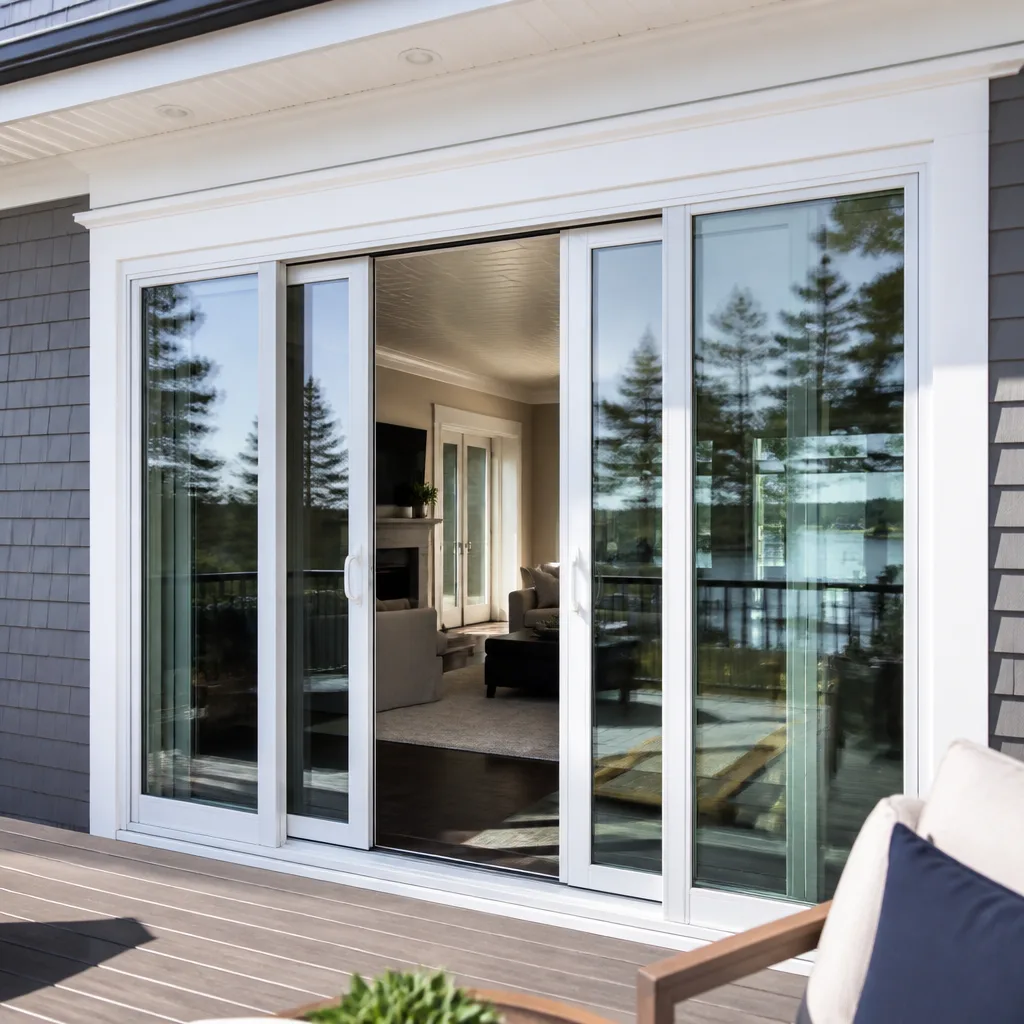




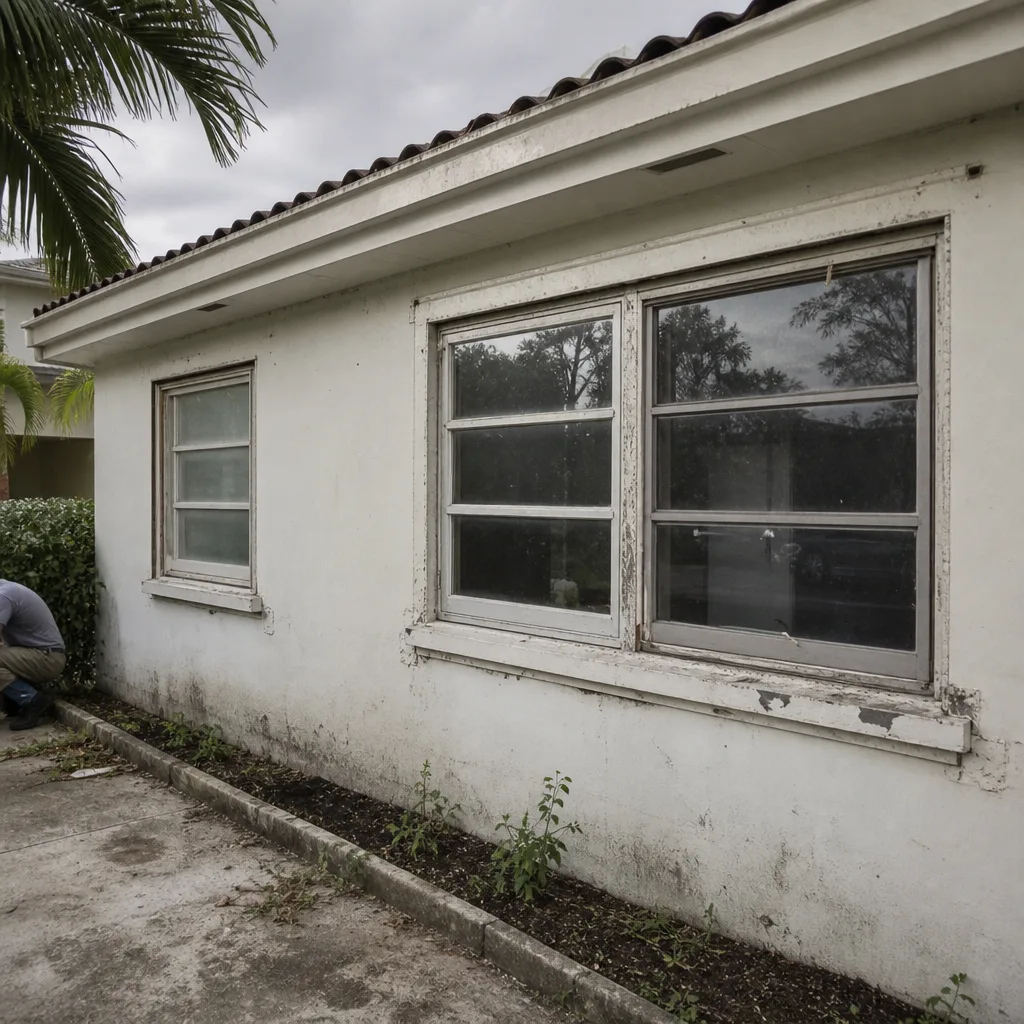 Before
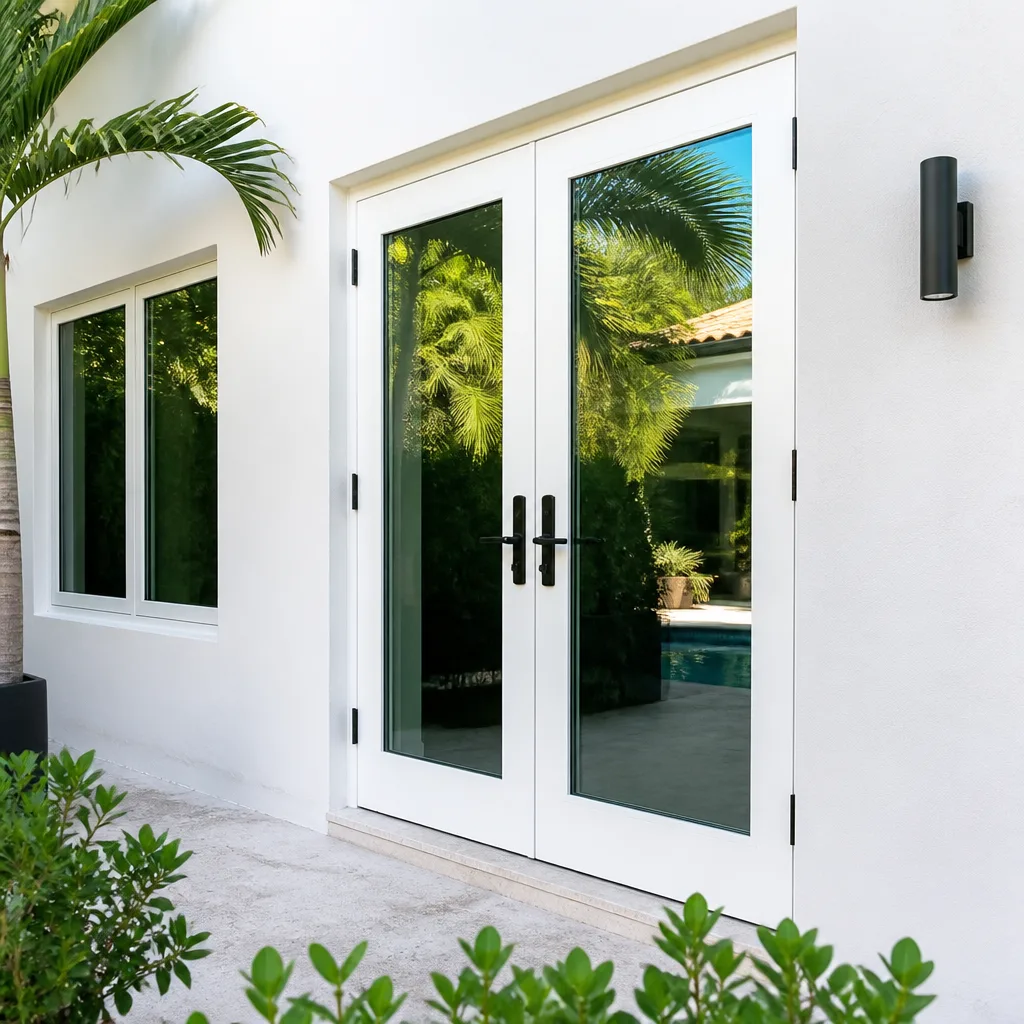 After
After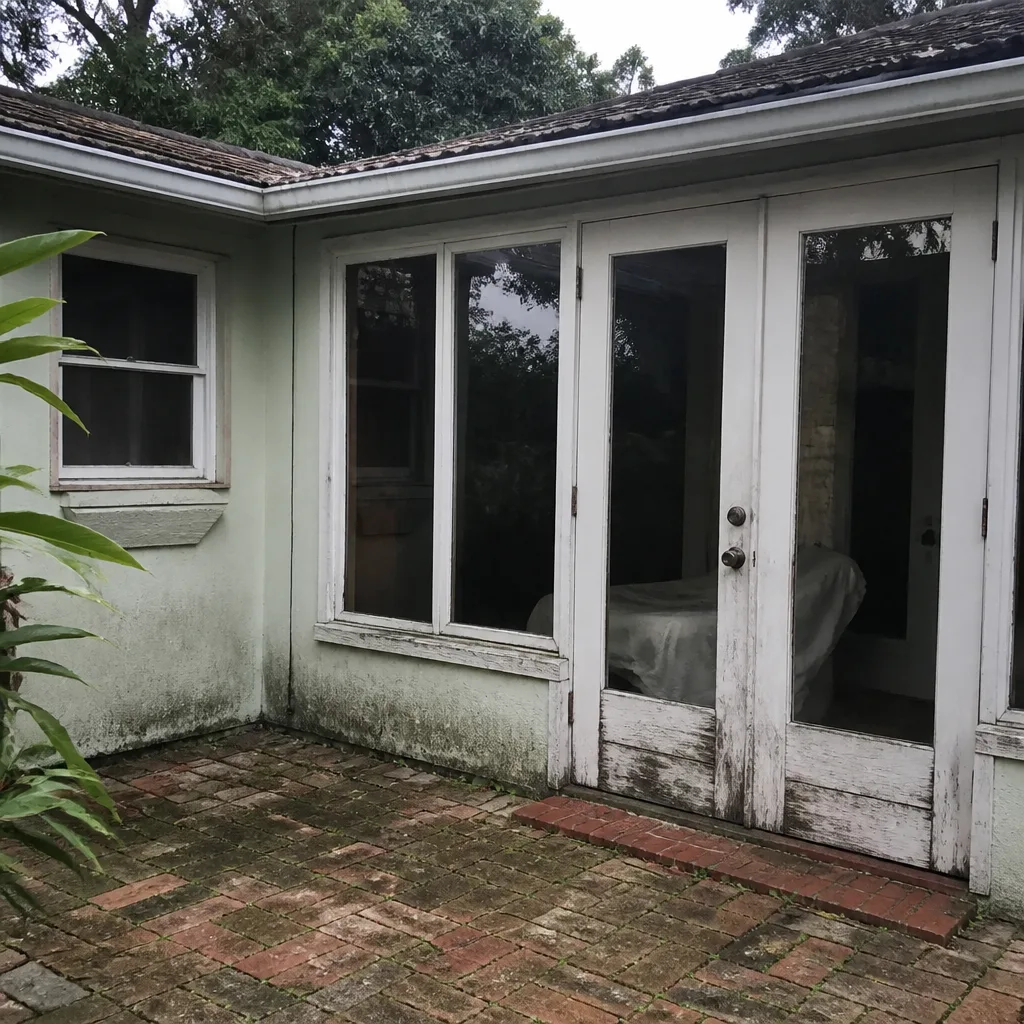 Before
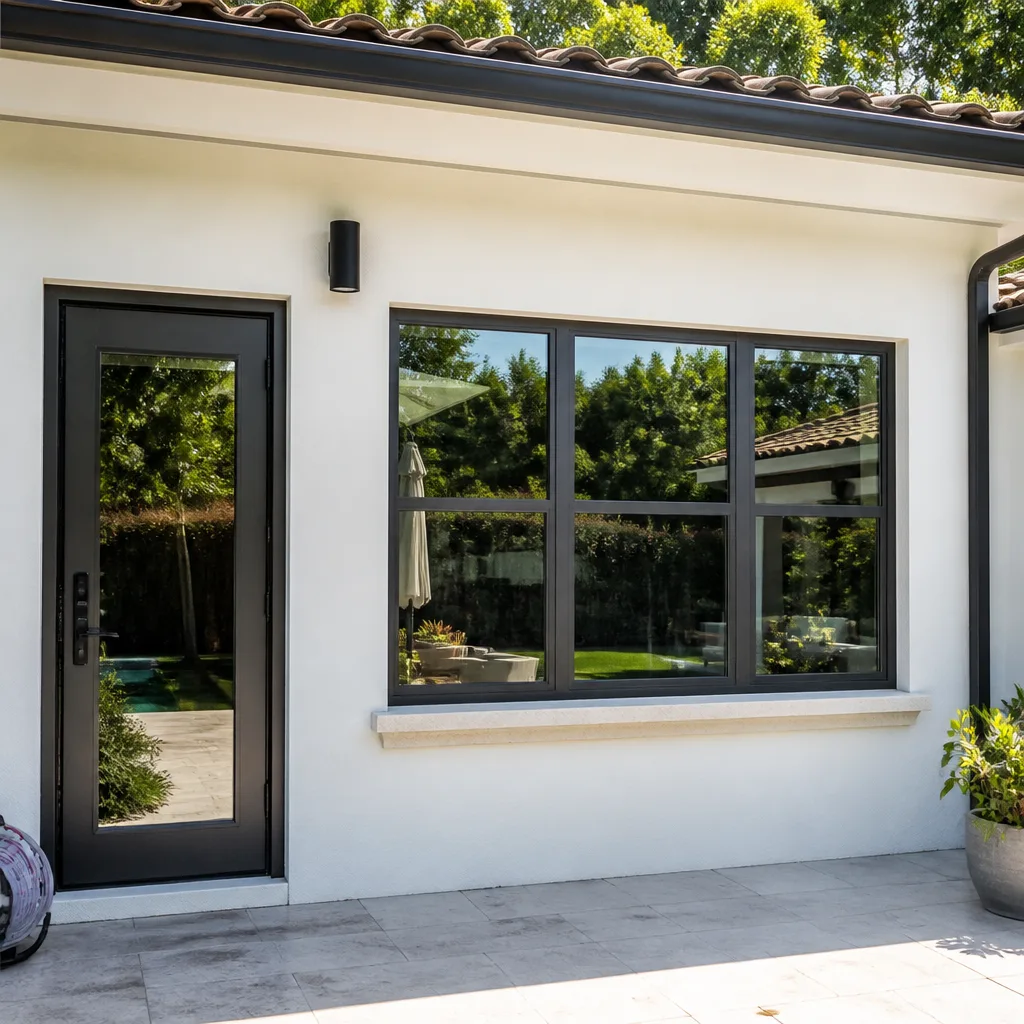 After
After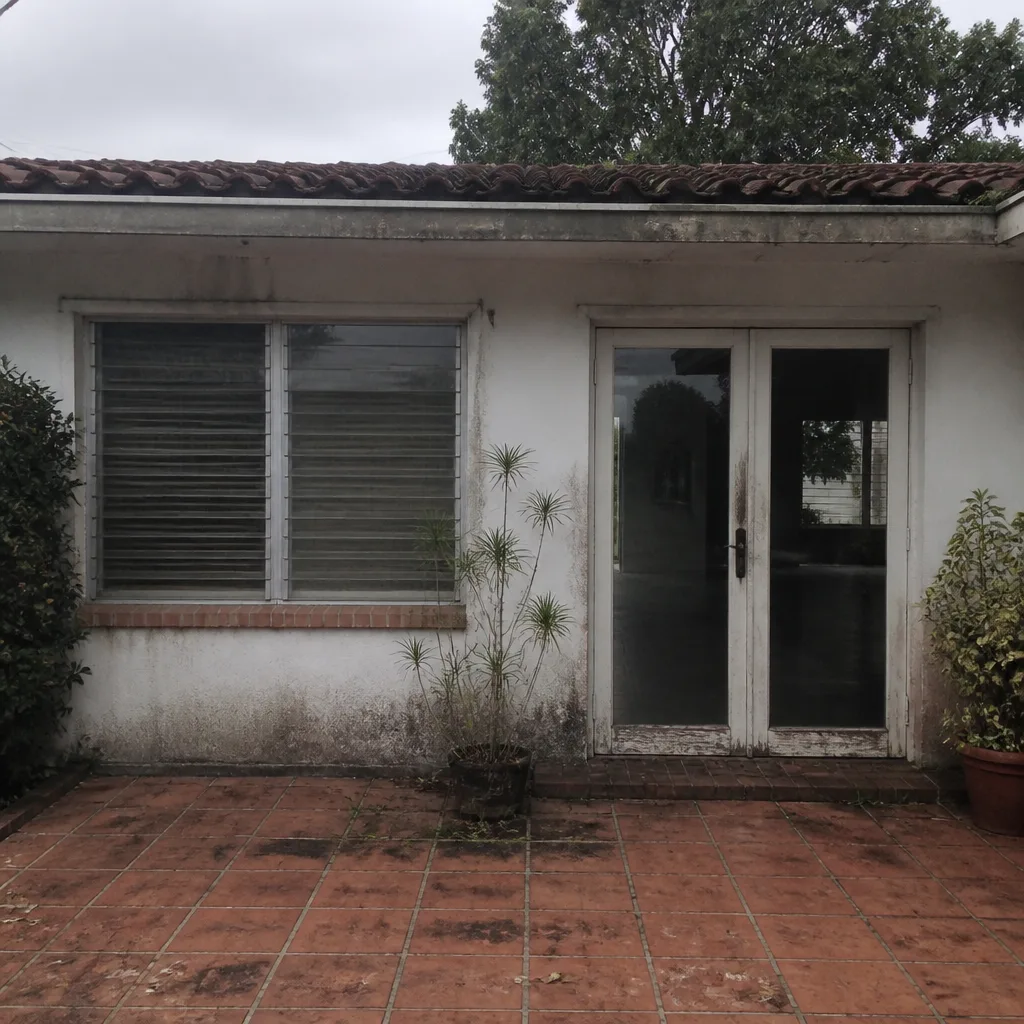 Before
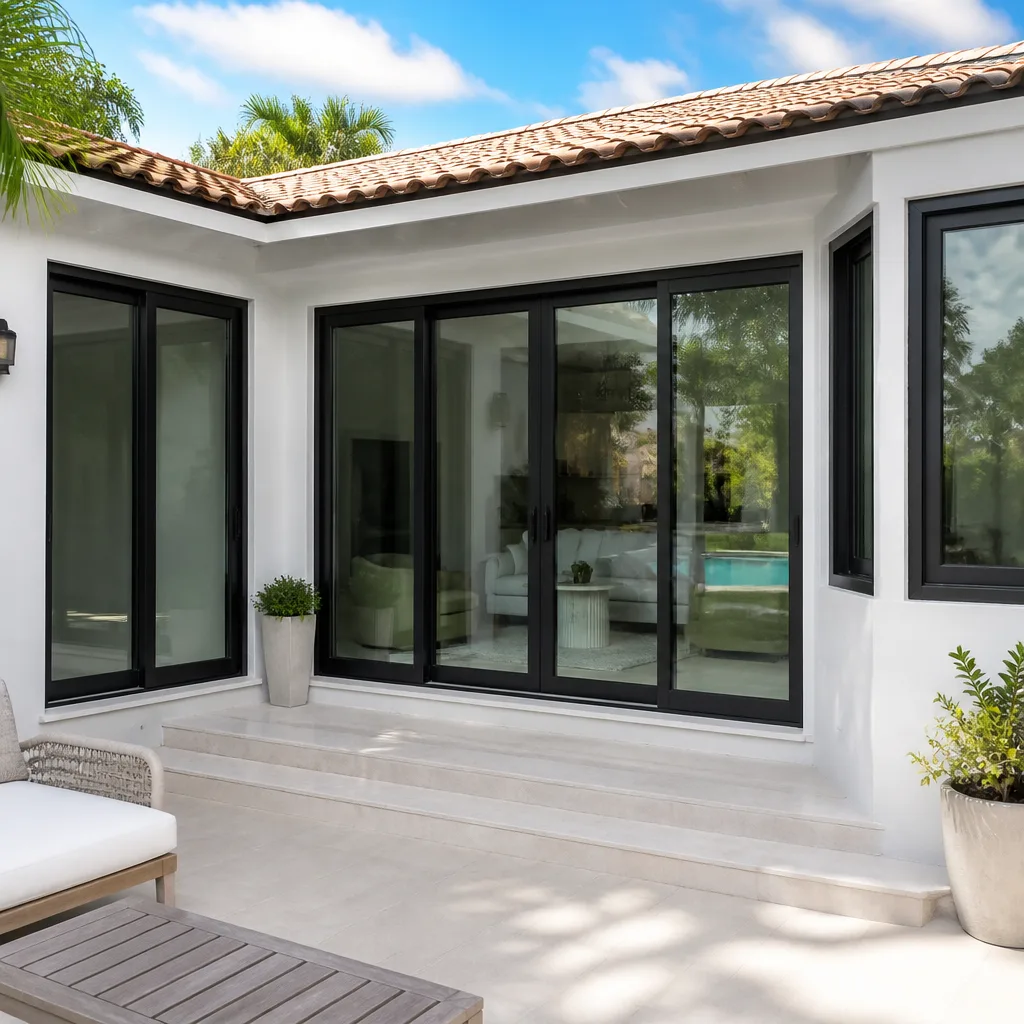 After
AfterImpact Windows Maintenance Checklist for South Miami Homeowners
A compromised silicone seal on an impact window doesn’t just void your warranty. It can void your wind-mitigation insurance discount, the one that’s likely saving you hundreds of dollars a year on your South Miami homeowner’s policy. Most homeowners don’t discover the failure until renewal season, when the inspector points at a cloudy pane and the discount disappears. This guide gives you a calendar-driven maintenance routine for South Miami’s salt air, humidity, and storm season, so your impact windows perform at year 15 the way they did at year one.
Quick Answer
Impact windows in South Miami need a monthly salt-spray rinse, quarterly hardware lubrication and seal inspection, and a pre-hurricane-season check of the frame-to-rough-opening sealant and weep holes. The entire routine takes under two hours per year and protects both your impact rating and your wind-mitigation insurance discount.
Table of Contents
- The Monthly Salt-Spray Rinse Protocol
- How to Inspect Glazing Compound and Weep Holes
- Hardware Lubrication for PGT and CGI Multi-Point Systems
- Self-Audit: What a Passing Wind-Mitigation Inspection Looks For
- The Pre-Hurricane-Season Sealant Check
- The Annual Full-System Inspection
- Common Mistakes to Avoid
- When to Call a Professional
- Frequently Asked Questions
- The Bottom Line
The Monthly Salt-Spray Rinse Protocol
South Miami sits close enough to Biscayne Bay and the Atlantic that salt accumulates on exterior surfaces even when you can’t see it. Homes within two miles of the coast or the bay get a fine, sticky salt film that eats at aluminum frames, corrodes hardware, and degrades the outer sealant bead over time. Rain doesn’t wash it off completely. A monthly rinse does.
Here’s the protocol we recommend at Winslow Windows & Doors, and it takes roughly 15 minutes for an average South Miami home:
- Use a garden hose on a gentle setting. No pressure washer. High pressure forces water past seals and into weep channels, which can cause more harm than the salt it removes.
- Start at the top of each window or door and work downward. This lets gravity carry the salt off the frame instead of pushing it into seams.
- Rinse the frame, glazing bead, and glass surface. Pay special attention to the bottom track of sliding doors and windows, where salt collects and turns into a gritty paste that scores rollers over time.
- Wipe the track with a dry microfiber cloth after rinsing. Leaving standing water in the track attracts debris and accelerates mineral buildup.
- Repeat for exterior doors, including the threshold and weatherstripping. Impact doors need the same treatment as windows, and South Miami’s coastal air doesn’t discriminate.
If your home is farther inland, near Pinecrest or the Palmetto Bay side, you can stretch this to every other month. But if you’re within sight of the water, monthly is the minimum. We’ve replaced frames on Coral Gables-adjacent homes that looked fine on the outside and had corrosion pitting on the inside of the track, hidden until the window started sticking. The salt doesn’t announce itself.
This routine matters for more than appearance. Salt corrosion on the locking mechanism is one of the most common reasons a window fails its wind-mitigation inspection, and many homeowners don’t know it’s happening because they never touch the hardware. We’ll get to that in the lubrication section below.
How to Inspect Glazing Compound and Weep Holes
Impact windows survive hurricane-force winds because every component works as a system. Two failure points most South Miami homeowners never touch are the glazing compound around the glass and the weep holes at the bottom of the frame. Both degrade silently, and both are easy to check once you know what to look for.
Glazing compound is the flexible material that holds the impact glass within its frame and creates a watertight barrier. On PGT and CGI systems, it’s typically a structural silicone bead that’s engineered to flex without cracking. But South Miami’s heat and UV exposure break down even high-performance sealants over a 10 to 15 year window. Here’s how to inspect it:
- Look for cracks or gaps along the inner edge of the frame, where the glass meets the metal or vinyl. A flashlight helps on overcast days.
- Press gently with a fingertip. Healthy glazing compound has some give and rebounds. Brittle or flaking compound is failing.
- Check for fogging or condensation between the panes. This is the telltale sign that the seal has failed and moisture has entered the insulated glass unit. It’s especially visible in the morning after a cool night.
- Inspect the exterior glazing bead from outside. If you see white or chalky residue, that’s oxidation of the sealant, and while it may still be watertight, it’s a sign the material is aging.
Weep holes are the small drainage slots at the bottom of the window frame. Their job is to channel water out of the track before it pools and corrodes the hardware or seeps into the wall. In South Miami, where afternoon thunderstorms dump an inch of rain in 30 minutes, a blocked weep hole turns your window frame into a bathtub.
To check weep holes, you’ll need a small piece of wire, a toothpick, or a can of compressed air. The holes should be clear of debris. If water stands in the track after a storm and doesn’t drain within a few minutes, the weep holes are blocked. Clear them gently, being careful not to damage the surrounding frame material. This is also a good time to check that the holes haven’t been painted over during a prior exterior repaint, which we see regularly on older South Miami homes.
Hardware Lubrication for PGT and CGI Multi-Point Systems
Impact-rated windows and doors depend on multi-point locking hardware to hold the sash against the frame under wind load. On PGT and CGI systems, those locks engage at multiple points along the sash, not just the center latch. Insurers verify that this hardware functions correctly during wind-mitigation inspections, because a lock that looks intact but binds under pressure compromises the entire impact rating.
Lubrication is the difference between hardware that engages smoothly at year 10 and hardware that requires force, which encourages homeowners to leave windows unlocked, which defeats the impact rating. We recommend this schedule for South Miami homes:
- Every 90 days: Apply a dry silicone spray lubricant to all moving hardware parts: hinges, rollers, lock points, and the track for sliding glass doors. Do not use WD-40 or oil-based lubricants. Oil attracts salt and dust, turning into a grinding paste that wears components faster.
- After every hurricane watch or named storm: Re-lubricate immediately. Storm prep forces hardware through full cycles more than it’s used the rest of the year combined, and salt-laden storm surge air accelerates oxidation.
- During your monthly rinse: Cycle each window and door lock several times while the track is still damp. This distributes the lubricant and tells you immediately if something is binding. If a lock sticks, don’t force it. That’s a warning sign to schedule a closer look.
One detail homeowners miss: the strike plates and lock points should be cleaned before lubrication. A quick wipe with a dry cloth removes the salt haze that builds up between uses. Lubricating over dirt simply coats the dirt and accelerates wear. Our technicians in South Miami see hardware that’s been lubricated faithfully but never cleaned, and it fails almost as often as hardware that was never lubricated at all.
Self-Audit: What a Passing Wind-Mitigation Inspection Looks For
A wind-mitigation inspection verifies that your home meets the standards for discounted windstorm insurance premiums. On impact windows, the inspector isn’t just confirming that the glass is laminated. They’re checking specific installation details and component integrity. Here’s what a passing inspection actually verifies, so you can self-audit before the inspector arrives:
- Product approval labels. Every impact window and door must have a visible Florida Product Approval label or etched marking, typically in the corner of the glass or on the frame. If the label is painted over, worn away, or missing, the inspector cannot verify the product and the window won’t count toward your discount.
- Proper anchoring. The inspector may check installation anchoring through visible screws or fasteners around the frame perimeter. Windows improperly anchored or showing gaping between frame and rough opening will not pass.
- No visible damage to the laminated glass. Cracks, chips, or delamination of the impact interlayer disqualify the window, even if the crack is cosmetic.
- Functional locking hardware. The inspector will operate each lock. A window that doesn’t lock or locks with difficulty fails, because an unlocked impact window performs no better than a standard window in a storm.
- Sealed installation. Visible gaps between the window frame and the rough opening indicate a sealant failure that compromises water and wind resistance. This is the most common failure we see on homes where the original installation was done by a contractor who rushed the flashing.
Before your next wind-mitigation inspection, walk your South Miami home and check each of these five items. If you find a missing label, a sticking lock, or a visible gap between frame and wall, address it before the inspector comes. A failed inspection doesn’t just cost you the inspection fee; it delays your insurance renewal and locks in a higher premium until a re-inspection clears you.
For a deeper dive into how these windows are rated and installed for South Miami’s wind zone, see our guide to Impact Windows in South Miami.
The Pre-Hurricane-Season Sealant Check
If there’s one maintenance task that must happen before June 1st, not after, it’s the frame-to-rough-opening sealant check. This is the seal between the window frame and the structural opening in your wall. It’s the last line of defense against wind-driven rain, and it’s the component most exposed to South Miami’s sun and salt.
Here’s why timing matters. Once hurricane season begins, afternoon thunderstorms appear daily, wind-driven rain becomes routine, and any gap in the sealant admits water into the wall cavity. By the time you notice a water stain on the interior drywall or baseboard, the damage inside the wall has been accumulating for weeks or months. We’ve opened walls in South Miami homes where a failed sealant line had been channeling water into the rough opening for an entire wet season, rotting the framing behind the window before anyone saw a sign of it.
Do this check in May, before the storms become a daily event:
- Walk the exterior perimeter of each window and door. Look at the joint where the frame meets the stucco, siding, or brick. This is the sealant line.
- Look for cracks, gaps, or shrinkage. Sealant that has pulled away from the frame or the wall material means water has a path. South Miami’s heat causes silicone to shrink over time, and a bead that looked continuous five years ago may now have hairline separations.
- Press on the sealant with a thumbnail. If it’s hard and brittle rather than slightly flexible, it’s lost its elasticity and should be replaced. Sealant that’s still functional will feel slightly pliable.
- Check the top of the window. This is the most failure-prone area, because it takes the most direct sun and the sealant there degrades fastest. Many homeowners check the sides and bottom but never look up.
If you find failures, reseal them before June, not in July after the water is already inside the wall. For a detailed look at how a proper installation prevents these problems from the start, read our guide on Window Installation in South Miami.
The Annual Full-System Inspection
Once a year, set aside an afternoon for a full-system walkthrough of every impact window and door in your home. This is more than a visual glance. It’s a deliberate checklist that catches small problems before they become expensive ones. We recommend doing this in April, before hurricane season begins and while the weather in South Miami is still bearable enough to spend an hour outside.
Here’s the complete annual checklist:
- Check every lock and handle for smooth operation. Cycle each one three times. Note any resistance, grinding, or failure to fully engage.
- Inspect the glass surface for scratches, chips, and impact marks. A cosmetic chip in laminated glass can become a stress point during a storm. If your window has taken a hit from a lawn mower rock or a stray golf ball, have it evaluated.
- Look for water stains on interior drywall around windows and doors. Stains, peeling paint, or bubbling caulk on the interior indicate a slow leak that’s been active for a while.
- Test the weep holes with a slow stream of water from a hose. Water should drain freely from the exterior bottom of the frame. If it doesn’t, clear the holes as described above.
- Inspect weatherstripping on all operable sashes and doors. Look for tears, compression marks, or missing segments. Damaged weatherstripping allows air and water intrusion and increases your cooling load.
- Verify product approval labels are still visible. If you’re planning exterior painting, mask off the labels before you start. A painted-over label is a failing wind-mitigation inspection item.
South Miami’s climate accelerates every failure mode. The combination of salt air, intense UV, daily summer thunderstorms, and the occasional hurricane means that even well-installed impact windows need annual attention. The homes we see with windows that still work flawlessly at year 15 are the homes where someone did this walkthrough every year and acted on what they found.
Common Mistakes to Avoid
- Skipping the monthly rinse because the windows “look fine.” Salt accumulation is invisible until it isn’t. By the time you see white crust on the frame or hardware, corrosion has already begun. The rinse is prevention; the crust is damage.
- Using a pressure washer to clean impact windows. The high-pressure stream forces water past seals, damages glazing beads, and can etch the glass over time. We’ve seen South Miami homes where a pressure washer destroyed the weep hole baffles, causing water to pool inside the frame.
- Painting over the product approval label. This is the single most avoidable wind-mitigation failure we see. Tape the label before painting. If it’s already painted over, the label can sometimes be verified through manufacturer documentation, but that’s a hassle no homeowner wants during renewal season.
- Using oil-based lubricants on hardware. WD-40 and similar products attract salt and dust, creating an abrasive paste that accelerates wear on hinges and lock points. Dry silicone spray is the only lubricant we recommend for impact window hardware.
- Waiting until a window sticks to address hardware problems. By the time a multi-point lock binds or a roller grinds, the component is already damaged. Annual lubrication and immediate attention to any resistance prevents most hardware replacements.
- Ignoring interior water stains behind furniture or drapes. A slow sealant leak often shows up as a faint water stain on drywall, hidden behind a sofa or curtain. By the time it becomes visible, the framing behind it may already be compromised. Move furniture during your annual inspection.
- Deferring the pre-season sealant check until after a storm. Once water enters the wall cavity, you’re no longer doing maintenance; you’re doing repair. May is the month to find sealant issues, not July.
When to Call a Professional
Some maintenance tasks are homeowner territory. Others require a trained eye and specialized tools. Call a professional if you see fogging or condensation between impact glass panes, which means the seal has failed and the glass unit needs replacement. Call if a multi-point lock is binding, grinding, or failing to engage, since forcing it can damage the sash and compromise the impact rating. Call if you find water stains on interior drywall that suggest a leak you can’t trace to an obvious source. And call if your wind-mitigation inspection is coming up and you’ve found any of the failure items from the self-audit section above. Winslow Windows & Doors offers free estimates in South Miami. Call (850) 930-1813 and a live person will answer, any time of day, any day of the week.
Frequently Asked Questions
You should rinse your impact windows monthly if you’re within two miles of Biscayne Bay or the coast, and at least every other month if you’re farther inland. Hardware lubrication and seal inspection should happen quarterly, and a full-system annual inspection should be done every April before hurricane season begins. The South Miami salt and humidity environment makes monthly maintenance a practical necessity, not an optional upgrade. Call (850) 930-1813 if you’d like help setting up a maintenance calendar that matches your home’s specific exposure.
DIY maintenance costs about $30 to $60 per year for quality silicone spray, a hose-end sprayer, and microfiber cloths. Professional inspection and service typically ranges from $150 to $400 depending on the number of windows and whether repairs are identified. If sealant replacement or hardware work is needed, expect additional costs that vary by scope. Winslow Windows & Doors offers free estimates, so you can get an exact number before committing to any work. Call (850) 930-1813 to schedule yours.
Yes. A wind-mitigation inspection verifies that your impact windows are installed correctly and functioning properly. Missing product labels, failed seals, non-functional locking hardware, and visible frame-to-opening gaps will all cause a failed inspection and the loss of your discount. Regular maintenance, especially the pre-season sealant check and hardware lubrication, directly protects the discount you’re already receiving. If you’re unsure whether your windows would pass, start with the self-audit in this guide and call (850) 930-1813 for a professional review.
No. Pressure washers force water past seals, damage glazing beads, destroy weep hole baffles, and can etch the glass surface. Use a garden hose on a gentle setting, a soft brush, and a mild soap if needed. This applies to every brand of impact window, including PGT, CGI, and CWS systems. The monthly rinse protocol described in this guide is designed to clean without risking the components that keep your windows impact-rated.
Look for fogging, condensation, or a cloudy appearance between the panes of glass, especially in the morning after a cool night. You may also see water droplets or mineral deposits inside the insulated glass unit that you cannot wipe away. A failed seal means the window has lost its thermal insulation and may have compromised impact performance. This is not a DIY repair. Call (850) 930-1813 for a free assessment in South Miami.
Yes. We service and repair impact windows and doors from all major manufacturers, including PGT, CGI, CWS, ES Windows, ECO Window Systems, Mr-Glass, and Therma-Tru. You don’t need to be the original installation customer to get help. We offer free estimates throughout South Miami, so call (850) 930-1813 and tell us what you’re seeing. A live person will answer and help you figure out whether it’s a maintenance issue or something that needs a technician.
The Bottom Line
Impact windows are an investment in your home’s safety and your insurance rate, and like any investment, they need attention to keep their value. The monthly salt-spray rinse, quarterly hardware lubrication, annual full-system walkthrough, and pre-hurricane-season sealant check add up to less than two hours of work per year. That’s a small price for windows that pass their wind-mitigation inspection year after year and still function perfectly at year 15. If you find something during your maintenance routine that needs a professional, Winslow Windows & Doors is the one down the road. Call (850) 930-1813 for a free estimate and Ed will make sure it’s done right.
Written by Ed Winslow, Owner at Winslow Windows & Doors, serving South Miami since 2011.
Six Reasons Homeowners Choose Winslow Windows & Doors
Impact systems engineered to design pressures up to +/-100, matched to your wind zone - your openings hold when the storm arrives.
Low-E insulated impact glass from our manufacturer lines commonly cuts monthly cooling bills 20-30%.
Laminated impact glass shuts out up to 40% of outside noise - traffic, neighbors, weather.
Monitoring services run $30-90 a month. Laminated impact glass resists forced entry around the clock, with no subscription.
Florida homeowners average around 25% savings on the windstorm portion of their policy after protecting every opening - some homes qualify for more.
A full impact package upgrades curb appeal, buyer confidence and appraised value in one project.