
Last updated August 27, 2026
Free in-home measure and quote - PGT, CGI and CWS impact lines compared on your actual openings, style by style
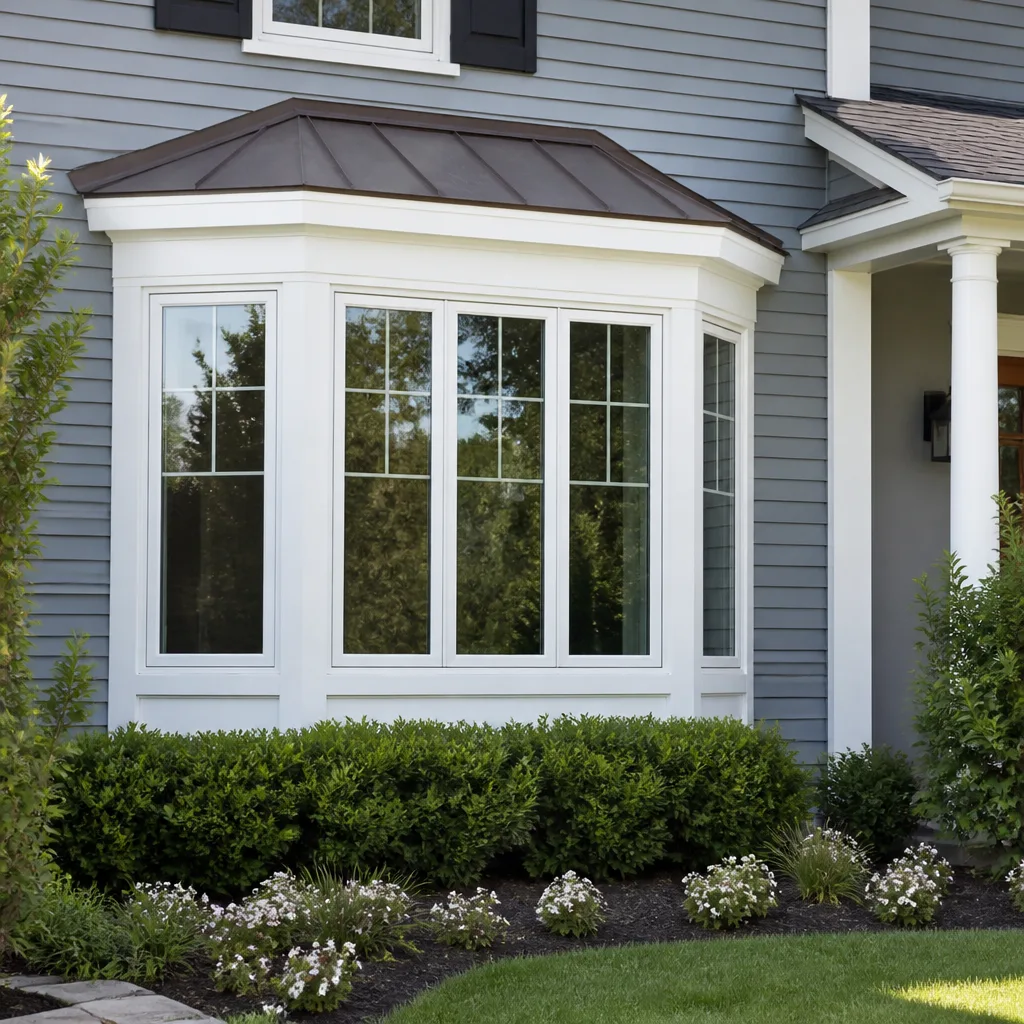
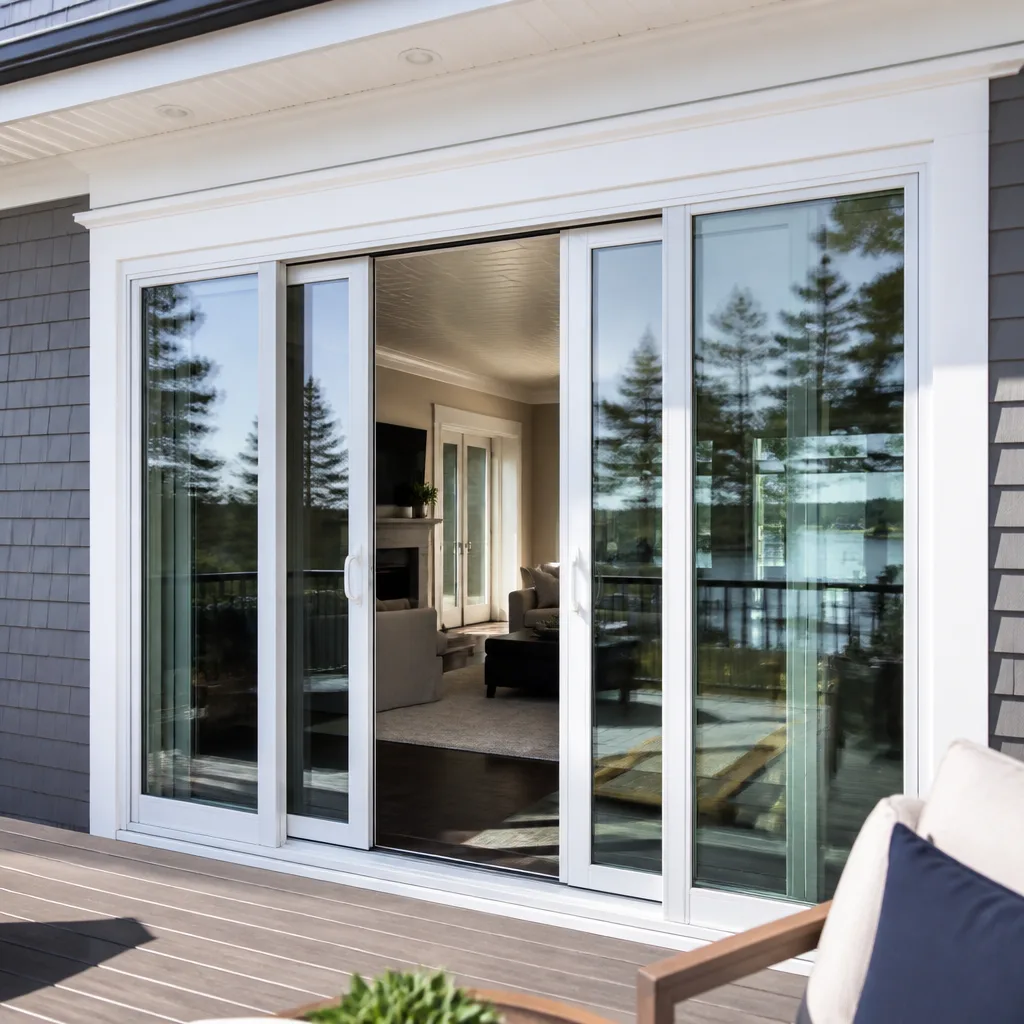
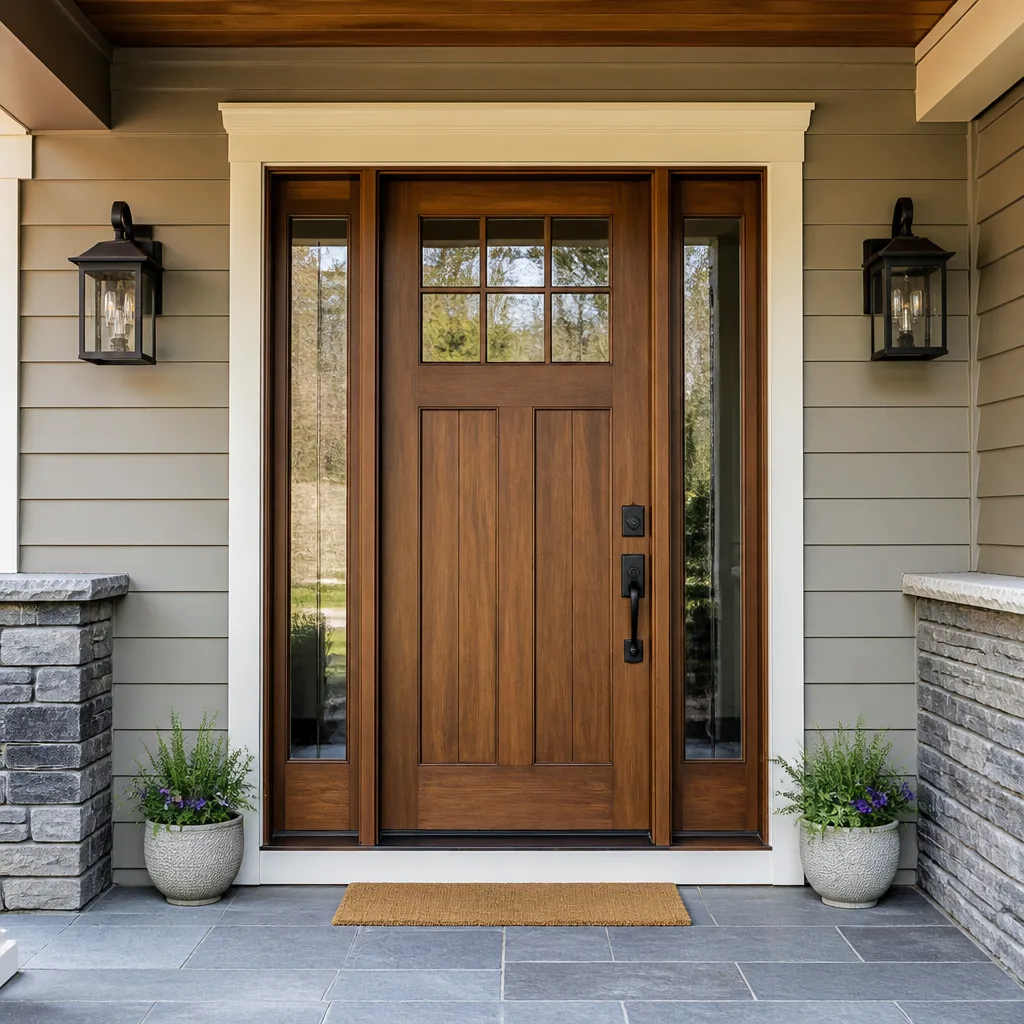
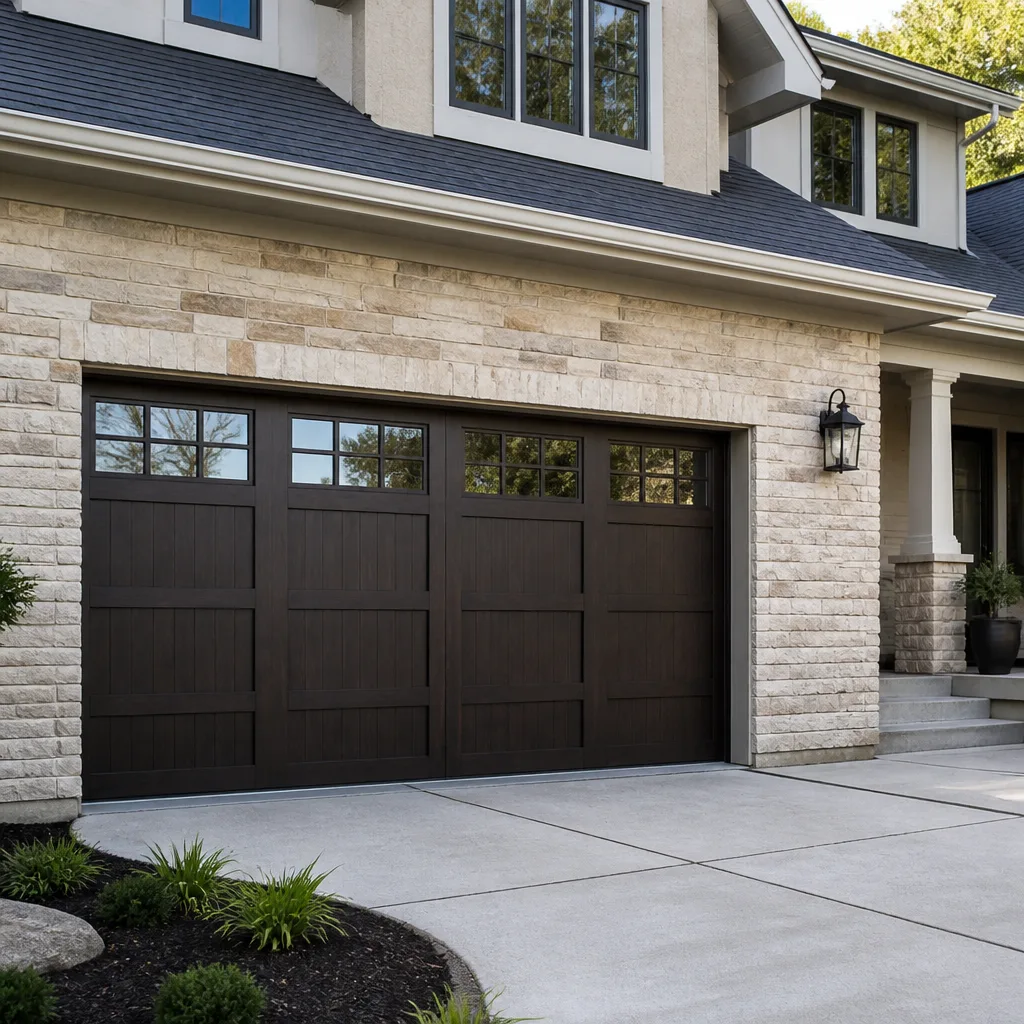
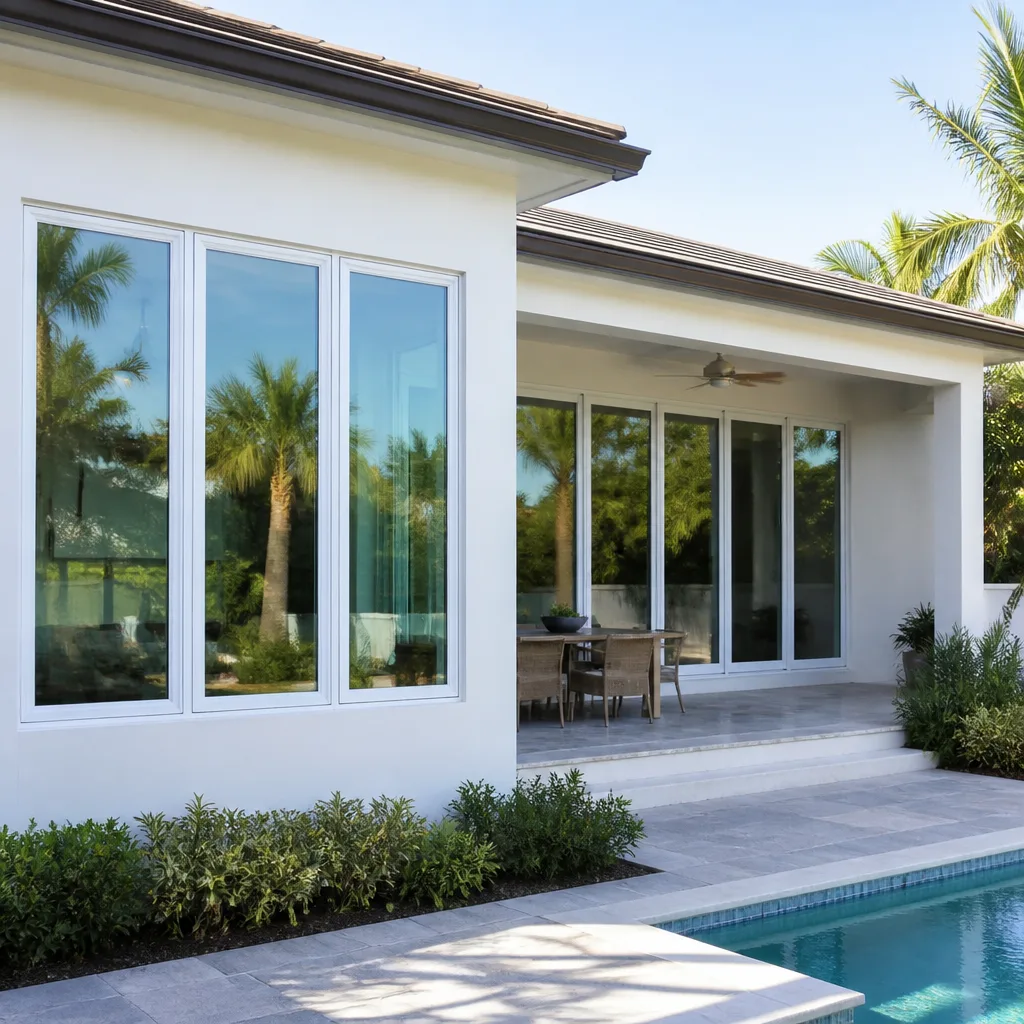
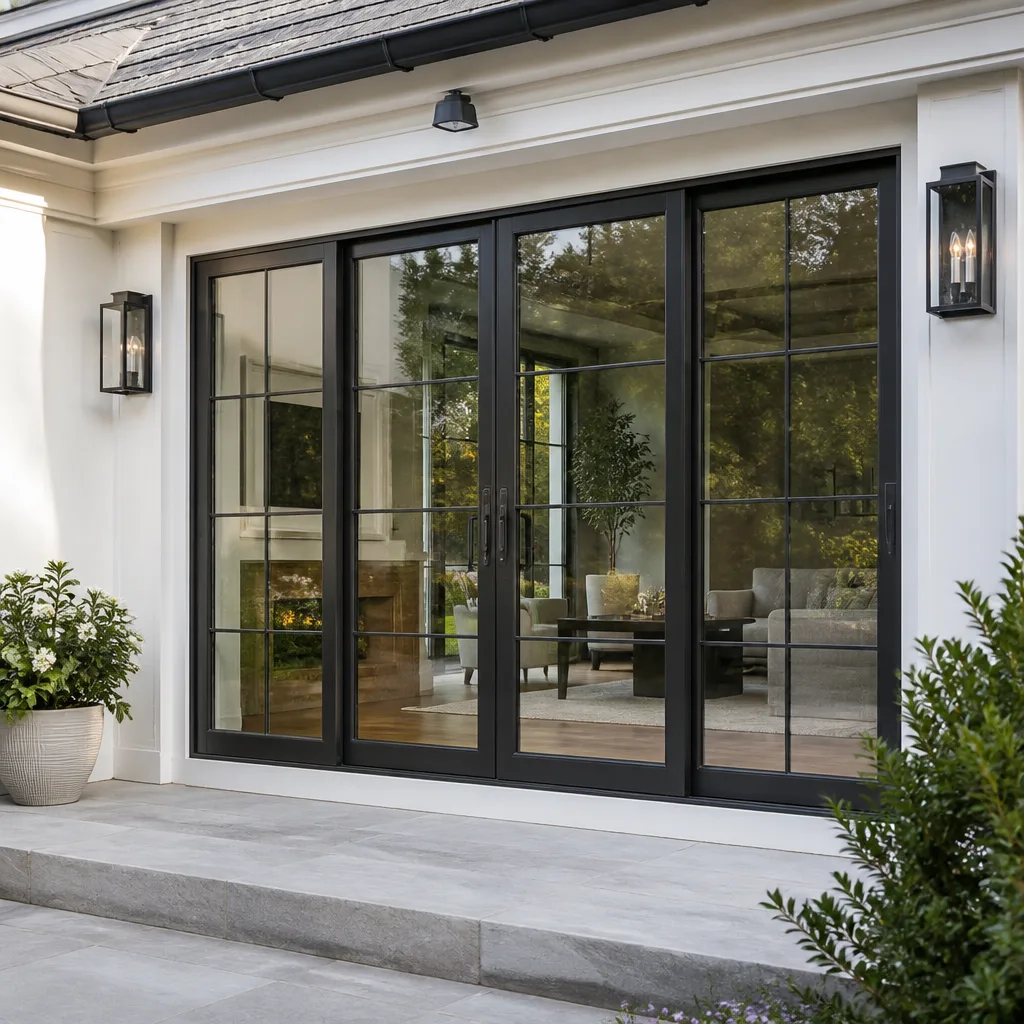
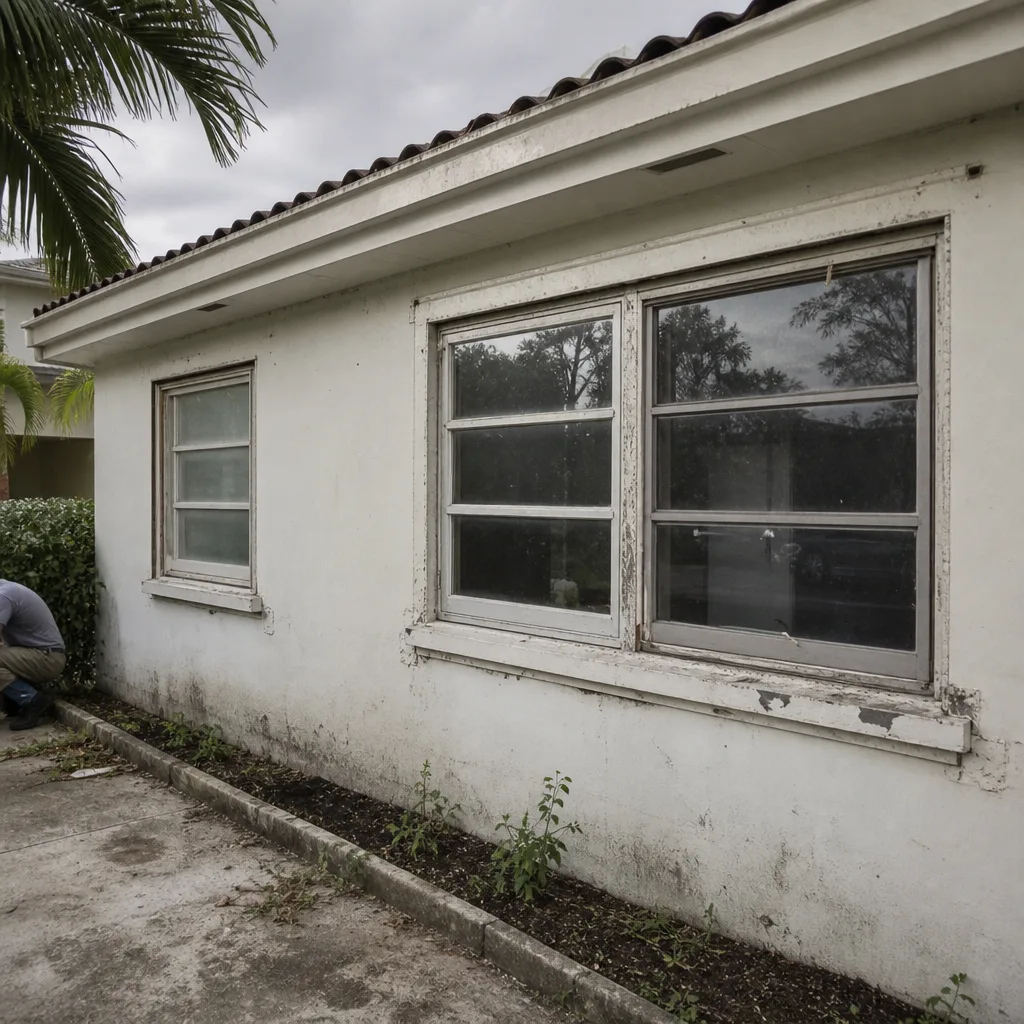 Before
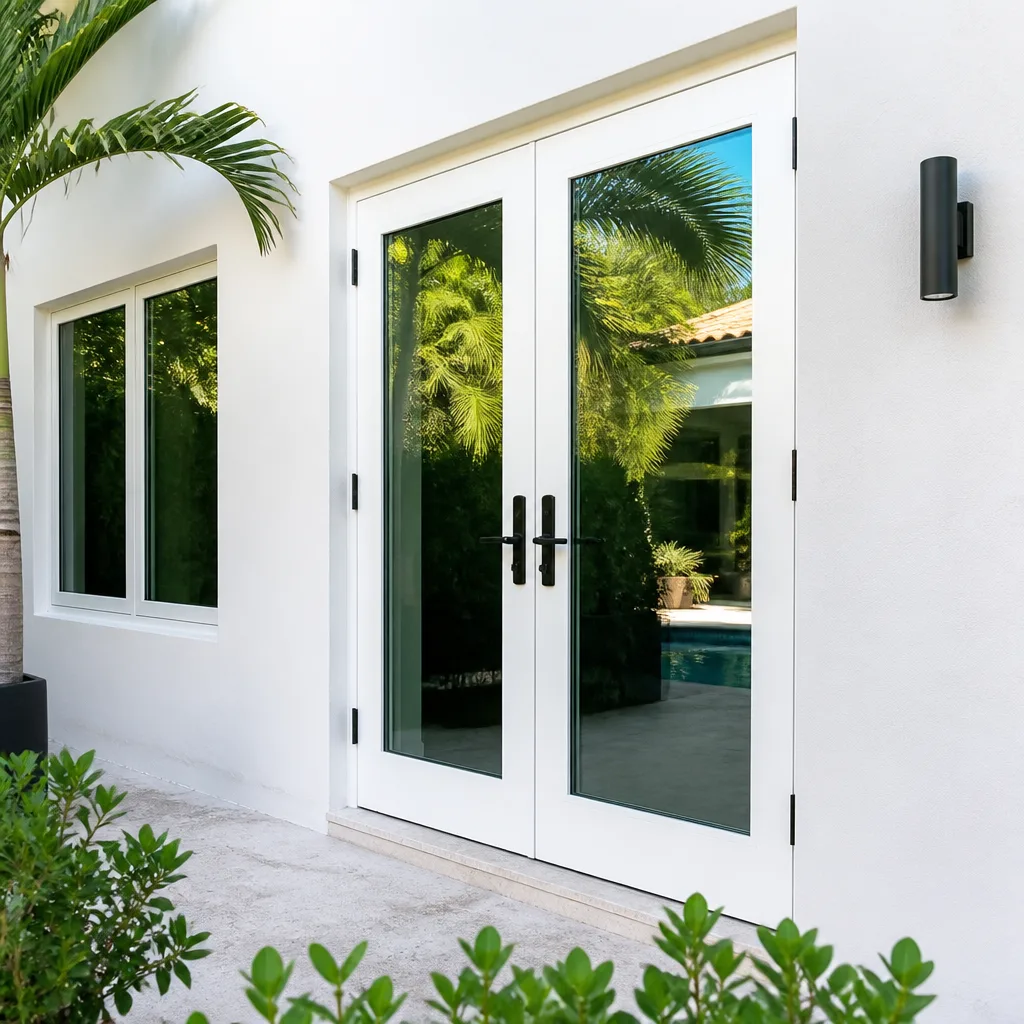 After
After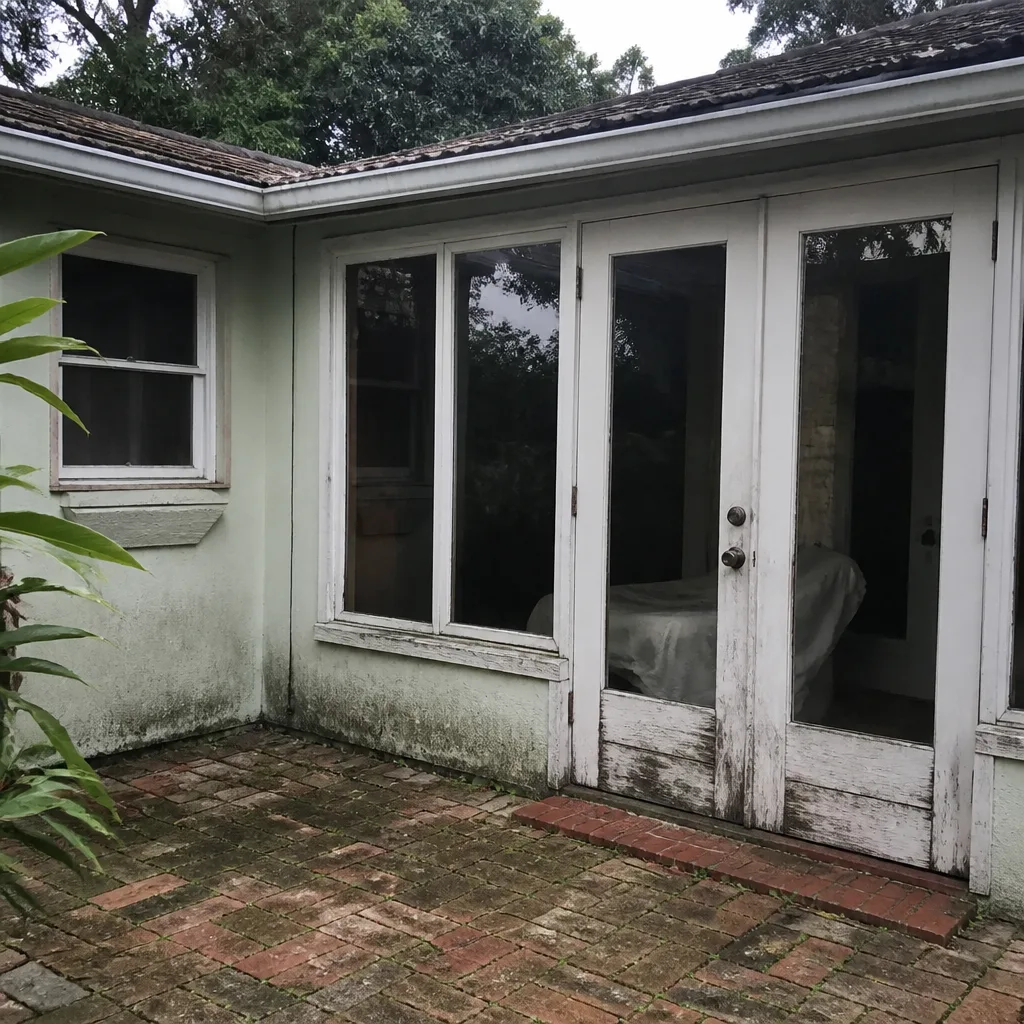 Before
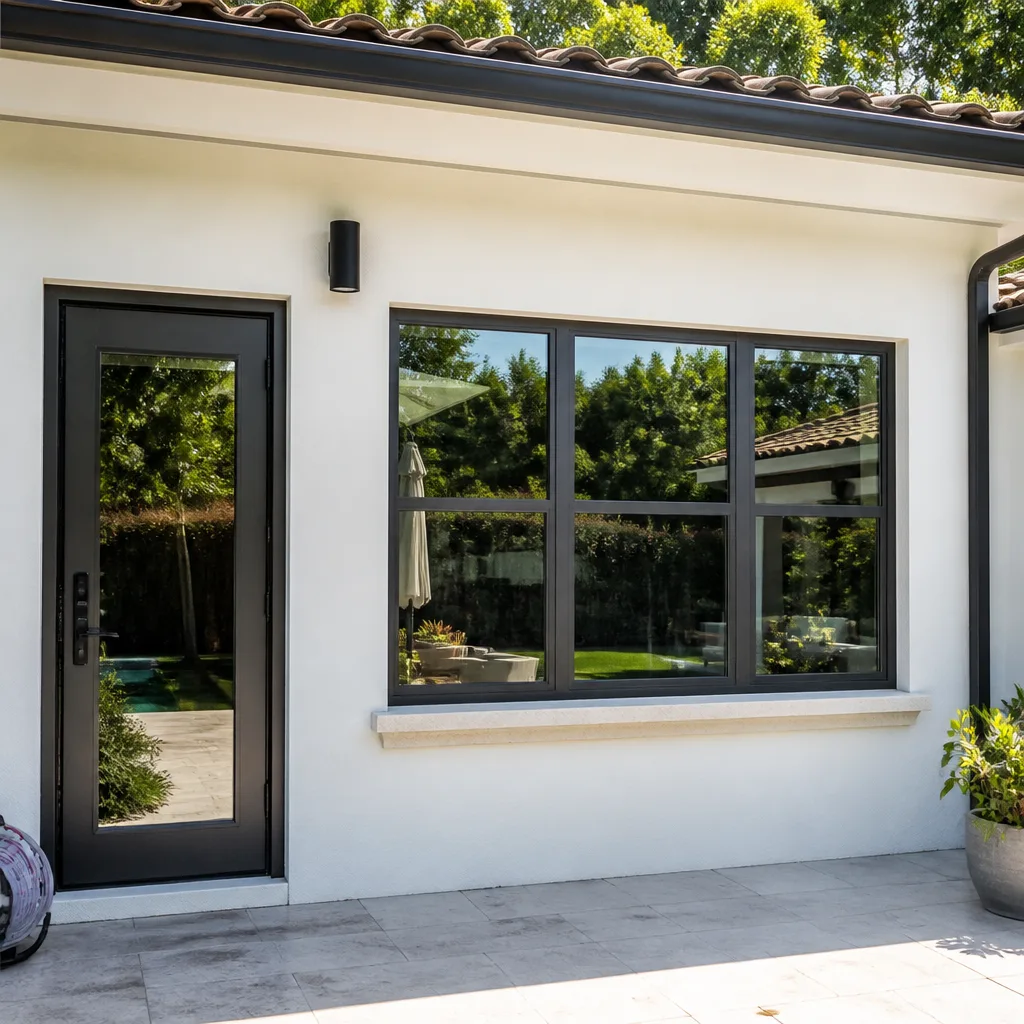 After
After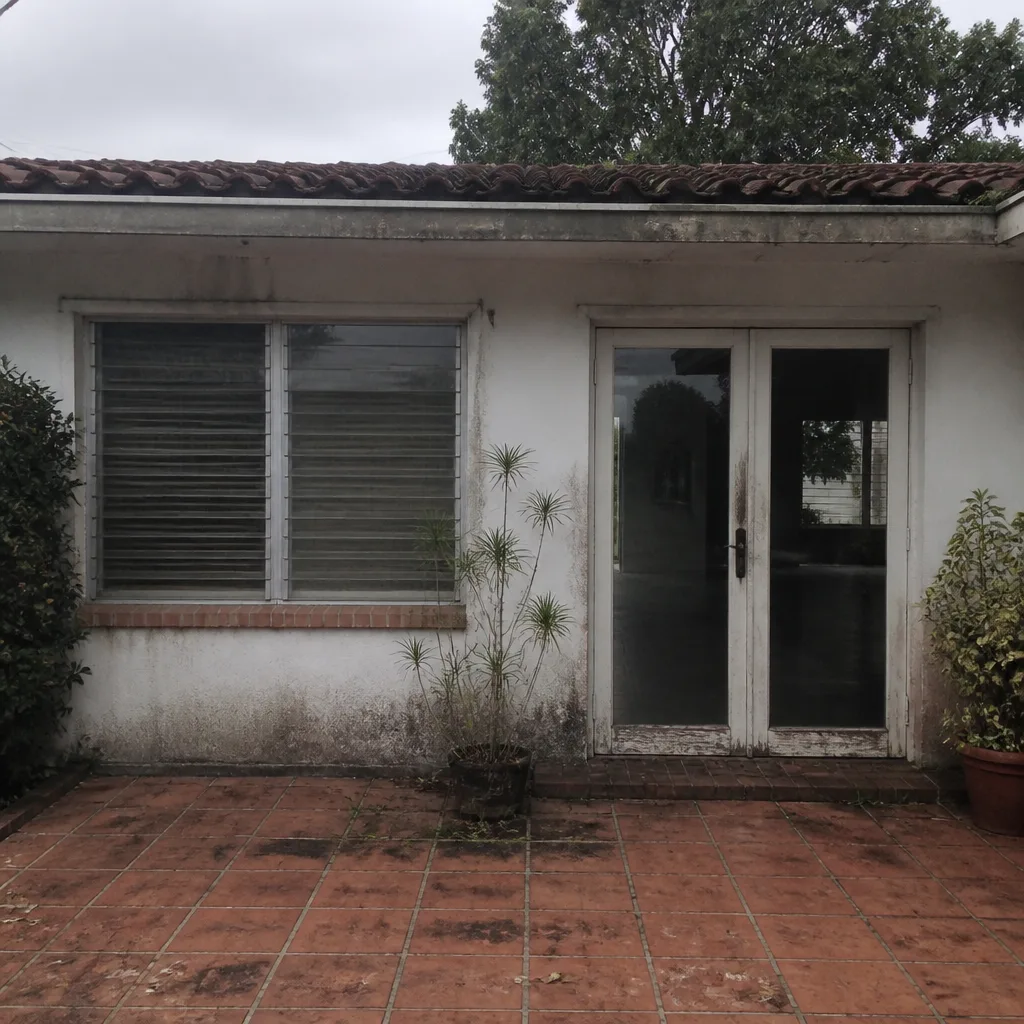 Before
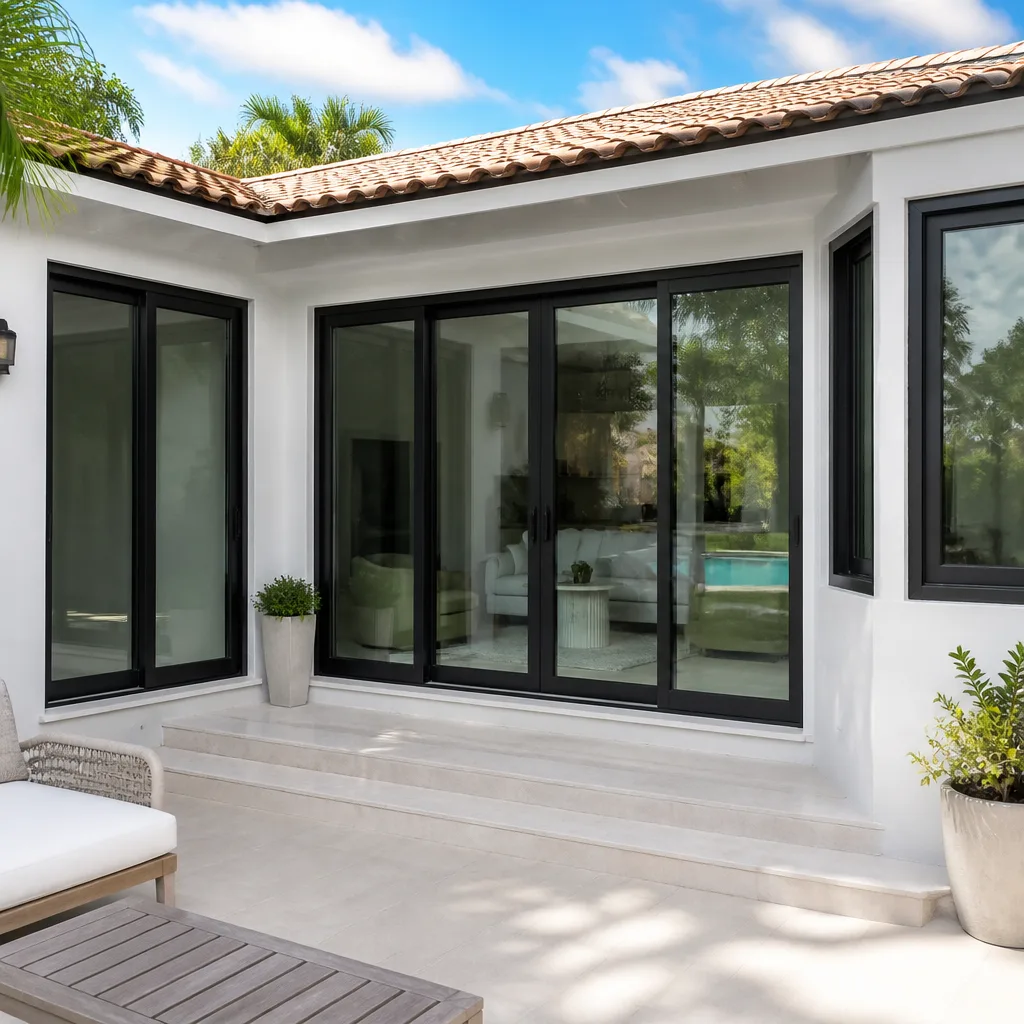 After
AfterSeasonal Windows & Doors Care for South Miami: Year-Round Homeowner’s Guide
The most common time South Miami homeowners discover a failing door threshold seal is during a tropical storm, because that’s the first time they’ve had a reason to look at the floor on the inside. You’re standing there with a towel, watching water wick under the door, and you realize that seal has been quietly degrading for eighteen months. South Miami doesn’t have four traditional seasons. It has a hurricane season, a post-storm recovery window, a winter dry season that cracks sealants faster than rain ever could, and a spring humidity surge that warps wood frames before the first named storm even forms. This guide walks you through what to check, when to check it, and what actually matters versus what you can ignore. Written from the perspective of a Winslow Windows & Doors home team that has installed and repaired windows and doors in South Miami since 2011, it’s the year-round care plan we wish every homeowner had before the first puddle shows up.
Quick Answer
Seasonal window and door care in South Miami means aligning your maintenance with four distinct phases: pre-hurricane structural checks in April and May, post-storm impact-glass and frame inspections after any named storm passes within 100 miles, dry-season sealant and weatherstripping audits from December through February, and spring condensation and wood-swelling management before the wet season peaks. Most damage we repair in South Miami comes from sealant that dried out during the low-humidity winter months, not from hurricane-force winds. The fix is a twice-yearly inspection routine covering seals, tracks, thresholds, and impact glass, plus a one-page written log you keep for insurance and resale documentation.
Table of Contents
- South Miami’s Real Seasons: Why Standard Advice Fails Here
- Pre-Hurricane Season Checklist (April-May): Beyond the Shutters
- Post-Storm Assessment Protocol: What to Inspect After Any Named Storm
- Winter Dry Season (December-February): The Sealant-Cracking Months
- Spring Humidity Prep: Condensation, Ventilation, and Wood-Door Swelling
- How to Log Seasonal Inspections for Insurance and Resale Value
- Common Mistakes to Avoid
- When to Call a Professional
- Frequently Asked Questions
- The Bottom Line
South Miami’s Real Seasons: Why Standard Advice Fails Here
Most window and door maintenance guides are written for climates with actual freezing temperatures, and they tell you to caulk in the fall and check for ice damage in the spring. That advice is useless in South Miami. What we actually have is a subtropical pattern that punishes neglect in ways homeowners from Ohio or Michigan never experience. The combination of intense UV exposure, salt-laden air from Biscayne Bay, and a wet-dry humidity cycle creates a specific failure pattern in window and door components. Sealants that would last a decade in a northern climate break down in three to five years here. Aluminum frames that look fine from a distance develop pitting and corrosion at the weep holes. Wood doors that fit perfectly in December swell in August and start sticking against the jamb.
The four phases South Miami homeowners actually need to plan around:
- January-February (dry season peak): Lowest humidity of the year, often below 40% for days at a time. This is when caulking, weatherstripping, and rubber gaskets shrink and crack. The damage shows up later, but it starts now.
- April-May (pre-hurricane window): The season officially starts June 1, but the smart money inspects in late April. Contractors are less overwhelmed, and you still have time to order custom parts before a storm forms.
- June-November (hurricane season): Sustained wind, driving rain, and pressure changes that test every seal and impact-rated component. Post-storm inspection should become automatic, not optional.
- October-December (transition months): Humidity drops from brutal to merely high. Wood components begin to contract. This is the second-best window for sealant work, after the dry season.
Understanding this rhythm is the foundation of everything else in this guide. When we do window replacement in South Miami, we walk homeowners through this seasonal logic at the first appointment, because it changes what products we recommend and how we install them.
Pre-Hurricane Season Checklist (April-May): Beyond the Shutters
Most South Miami homeowners think pre-hurricane prep means pulling the shutters out of the garage and checking the generator. That’s part of it. But the structural failure points on windows and doors are what actually determine whether your house stays dry when a storm sits over South Miami for six hours of sideways rain. Here’s the checklist we recommend in late April, before the supply houses get backed up.
- Test every operable window for a complete seal. Open each window, then close it and lock it. Try to slide a dollar bill through the seam where the sash meets the frame. If it slides freely, the weatherstripping is shot. On impact windows, the seal isn’t just a comfort issue; it’s part of the pressure-rating system.
- Inspect the sealant bead around every exterior frame perimeter. Look for hairline cracks, pulling away from the stucco or siding, or chalky white residue. South Miami’s UV load breaks down acrylic and silicone sealants faster than most manufacturers admit. If you see cracks, know that wind-driven rain will find them.
- Check all door thresholds and sweeps. The gap under an exterior door is one of the most common water intrusion points during a South Miami tropical storm. Door sweeps wear down from daily foot traffic, and thresholds can shift as concrete slabs settle. If you can see daylight under the door from inside on a bright afternoon, replace the sweep before June 1.
- Verify impact glass labels and frames are intact. If you have PGT or CGI impact windows, check the small label etched in the corner of the glass. It tells you the product rating. If the frame has visible corrosion or the glass edge is chipped, the integrity may be compromised even if the window still opens and closes. Impact-rated doesn’t mean indestructible forever.
- Function-test sliding glass doors. Roll them open and closed six or seven times. Grinding, sticking, or uneven resistance means the rollers or track are failing. A sliding door that jams mid-track is a problem you don’t want to discover while trying to secure the house before a storm.
- Clean weep holes and drainage channels. Every window and sliding door in South Miami has weep holes at the bottom to drain water that gets past the first seal. If they’re clogged with dirt, salt deposits, or insect nests, water backs up and finds its way inside. A straightened paperclip gently worked through each weep hole clears most blockages.
If this list feels long, it’s because neglect compounds. One skipped season of sealant maintenance in South Miami turns into a $900 threshold repair or a $2,400 sliding door replacement instead of a $40 tube of sealant and an hour of work. For homeowners who’d rather hand this off, we’ve been doing pre-season inspections in South Miami for over a decade, and we’re happy to walk the property with you. Impact windows in South Miami are a major investment, and a thirty-minute inspection protects it better than any warranty paperwork does.
Post-Storm Assessment Protocol: What to Inspect After Any Named Storm
Here’s a rule we tell every South Miami homeowner: if a named storm passes within 100 miles of your house, do a full window and door inspection within 72 hours. Not a casual glance. A real inspection. The reason is simple: water intrusion often doesn’t show up as an obvious leak. It shows up as a faint stain on the drywall three weeks later, by which point the moisture has been sitting inside the wall cavity breeding mold in South Miami’s heat. Even when the storm didn’t feel that bad at your address, the pressure differentials and sustained rain can open micro-failures that you’ll find now and pay much less to fix than you will in six months.
What to check after any named storm passes within 100 miles of South Miami:
- Every interior wall around windows and doors: Run your hand along the drywall, baseboards, and floor near every opening. Moisture, cool spots, or soft drywall indicate water got behind the frame. Look for paint bubbling or discoloration that wasn’t there before.
- Exterior sealant beads: A hard storm can lift sealant that was already compromised. Look for new gaps, especially at corners where horizontal and vertical frame pieces meet, and where the frame meets the stucco.
- Impact glass for new cracks or edge damage: Impact glass is designed to take a beating, but after a storm with flying debris, check for spider cracks, chips at the edges, and any glass that looks hazy or milky. A small chip can turn into a full failure during the next pressure event.
- Door alignment and threshold gaps: Heavy winds can rack a door frame, especially on larger exterior doors with minimal framing reinforcement. Close and lock every exterior door. If the latch doesn’t catch smoothly, or if you see new daylight under the door, the frame may have shifted.
- Sliding glass door tracks: Post-storm, tracks collect dirt, leaves, and salt spray. Clean them thoroughly, then run the door back and forth to check for new resistance or vertical misalignment.
- Weep holes at the bottom of all frames: They fill with debris during high wind. Clear them. A blocked weep hole after a storm is a standing invitation for water damage during the next downpour, which in South Miami comes within days of any storm.
Document everything. Take photos with your phone, even if there’s no visible damage. If you file an insurance claim later, having dated post-storm photos showing no damage at the time can protect you when an adjuster tries to claim the damage was pre-existing. In our experience doing window and door work across South Miami after hurricanes, homeowners who document consistently get better outcomes, both with insurance and with warranty claims. For more on the permit and inspection side, see our guide to Windows & Doors Permits, Codes & Inspections in FL: What You Need to Know.
Winter Dry Season (December-February): The Sealant-Cracking Months
It feels backwards, but South Miami’s low-humidity winter months cause more sealant and weatherstripping damage than the rainy season does. When relative humidity drops into the 30s and 40s for days at a time, the rubber compounds in gaskets, sweeps, and weatherstripping lose moisture and shrink. The acrylic and silicone sealants around window and door frames contract. Then when humidity returns in March, everything expands again. That annual shrink-expand cycle is what creates the hairline fractures you should be hunting for. Rain doesn’t crack sealant; the dry season does. The rain just exposes the cracks that already formed.
December through February is the ideal window in South Miami for sealant inspection and replacement work. Here’s the specific routine:
- Walk the property exterior with a flashlight and a notepad. You’re looking for separation between the frame and the wall surface, hairline cracks in the sealant bead, and any caulking that has turned chalky or powdery to the touch. That powder is the binding compound degrading.
- Press gently on weatherstripping around every exterior door. Good weatherstripping should feel springy, not stiff. If it doesn’t bounce back when you release it, the material has lost its resilience and it’s not sealing anymore. South Florida’s heat and UV destroy this material quietly and completely.
- Check window gaskets on the inside as well as the outside. On impact and double-pane windows, the interior gaskets and glazing beads are what hold the glass in the frame and provide the air seal. If they’re cracked or brittle, your energy efficiency is going out the window, literally, and your pressure rating may be compromised as well.
- Run your fingers along door thresholds from corner to corner. Thresholds made from composite or aluminum can develop cracks during the dry season that you won’t feel underfoot but can see with a flashlight at floor level. Any space under the threshold structure can wick water up during the next rain.
- Replace any sealant that shows cracks or separation. South Miami’s climate means you’re replacing sealant every three to five years, not every ten like the product labels suggest. Use a sealant rated for exterior exposure in high-UV, high-humidity environments. Cheaper interior-grade caulk fails within eighteen months here, guaranteed.
This is also the best time of year for window installation in South Miami, because the lower humidity means sealants cure more predictably and wood components are at their most dimensionally stable. If you’re planning replacement work, scheduling it between December and February gives you the cleanest installation conditions of the year.
Spring Humidity Prep: Condensation, Ventilation, and Wood-Door Swelling
By March, South Miami’s humidity is climbing back up, and wood doors and frames that fit perfectly in January start to swell. This isn’t a defect; it’s what wood does in a subtropical climate. The key is managing it before the wet season turns your front door into a daily wrestling match. Homes in Pinecrest, Palmetto Bay, and the older neighborhoods around Sunset Drive in South Miami deal with this every spring, especially on west-facing doors that take hours of direct afternoon sun alongside the humidity spikes.
Wood-door swelling is not a sign you need a new door. It’s a sign the door was either painted or sealed inadequately, or it’s been years since the top and bottom edges were treated. Here’s what to do in March and April:
- Check the paint or finish on every exterior wood door. Water gets into wood through gaps in the finish, and South Miami’s humidity provides a constant moisture source. If the paint is peeling, flaking, or worn through anywhere on the door surface, especially the top and bottom edges, the door is absorbing moisture. Sand lightly and recoat before the wet season locks moisture inside the wood.
- Open and close each wood door once a week. This gives you early warning before the worst of the swelling hits. A door that starts sticking in March will be jammed in July. Adjusting hinge screws and lightly shaving a sticking edge is a five-minute fix in March and a two-hour battle in August.
- Check interior condensation patterns on window glass. South Miami’s humidity creates condensation on the inside of windows when the AC is cranking and outdoor humidity is extreme. Consistent condensation at the bottom of the glass, especially between the panes, indicates a failed seal in an insulated glass unit. That’s not a cleaning issue; that’s a glass replacement.
- Verify exhaust ventilation in bathrooms and kitchens. Interior humidity that accumulates in wall cavities finds its way to window frames and door jambs. If bathroom vents are clogged or underpowered, that moisture concentrates around windows and doors in adjacent rooms. This is one of the most overlooked sources of long-term frame damage in South Miami homes.
- Adjust door thresholds if needed. Many modern thresholds have adjustable risers underneath. If your door is rubbing at the bottom as humidity builds, you may be able to adjust the threshold down slightly to regain a smooth swing. This is better than shaving the door, which permanently alters the profile and leaves raw wood exposed if not resealed properly.
We’ve helped homeowners in South Miami who spent years fighting swollen doors, replacing hardware and sanding edges every summer, when the actual problem was a missing seal on the top edge of the door. Water wasn’t coming in from the bottom; it was entering from the top during rain and being trapped inside by a good bottom seal and bad top seal. That’s the kind of thing a second set of trained eyes catches in minutes.
How to Log Seasonal Inspections for Insurance and Resale Value
Most South Miami homeowners never document their window and door maintenance, and it costs them real money twice: first when an insurance claim gets denied because there’s no record of pre-existing condition checks, and second when a buyer’s inspector flags window and door issues and negotiates the price down. A one-page seasonal inspection log solves both problems and takes ten minutes per season to maintain. We recommend keeping it simple: a single page per calendar year with four dated entries, one per season.
Here’s the format we suggest. You can keep it in a binder, a Google Doc, or a notes app, as long as it’s dated and consistent.
- Date and season label: For example, “February 14, 2026 – Dry Season Inspection.”
- What you inspected: A checklist of the areas covered: exterior sealant, weatherstripping, thresholds, weather sweeps, impact glass labels, weep holes, sliding door tracks, wood door finish, condensation patterns.
- What you found: Note any issues in plain language. “Hairline crack in sealant on north bedroom window, exterior top corner” is all you need. Photos help, but a written note is the foundation.
- What you did: If you repaired or replaced something, note it. “Replaced weatherstripping on front door, purchased from Winslow Windows & Doors.” If you didn’t do anything, write “No issues found; no action taken.” That negative finding is actually valuable documentation.
- Follow-up needed: If you found something but didn’t fix it yet, note what and when you plan to address it. For example, “Sliding door rollers sticking – schedule service before hurricane season.”
This log becomes gold at resale. When a buyer’s inspector in South Miami raises concerns about window age or door condition, your seller can produce three years of dated seasonal inspection records showing consistent maintenance and documented repairs. That’s far more persuasive than saying “we took good care of the house.” It shows the maintenance actually happened, on a schedule, by a homeowner who paid attention. For insurance purposes after a storm claim, the log establishes a baseline of pre-existing condition that makes it much harder for an adjuster to deny a claim by arguing the damage predates the storm. In South Miami, where storm claims are an annual reality for many homeowners, this documentation matters more than in almost any other market in the country.
Common Mistakes to Avoid
- Only checking windows when a storm is forecast. By the time a hurricane is tracking toward South Miami, contractors are booked solid and supply houses are sold out of common parts. Twice-yearly inspection prevents the frantic pre-storm scramble.
- Using interior caulk on exterior seals. Interior-grade acrylic caulk breaks down under South Miami’s UV exposure within a year. You need exterior-rated, high-UV, high-humidity sealant, and it costs maybe $3 more per tube. False economy to use anything else.
- Ignoring weep holes as trivia. Those small slots at the bottom of your window and door frames are the drainage system that keeps South Miami’s driving rain from pooling inside the frame and leaking into your walls. Clogged weep holes are one of the most common causes of “mystery leaks” we trace every single year.
- Painting over cracked or deteriorated sealant. Paint doesn’t seal cracks; it hides them for a few months. The crack is still there underneath, and water is still getting through. Strip old sealant, reapply, then paint if needed.
- Assuming impact windows never need maintenance. Impact-rated doesn’t mean maintenance-free. Gaskets age, sealants crack, tracks wear, weep holes clog. An impact window with a degraded seal is not providing the protection you paid for, even if the glass looks fine from the street.
- Forcing a swollen wood door open and shut all summer. Each forced operation stresses the hinges, the frame, and the lock hardware. You’re not fixing the swelling; you’re adding new problems. Address the finish and the seals in spring, and the door won’t swell enough to stick.
- Skipping post-storm documentation because “everything looks fine.” The photo you take this week is the proof you need in six months when a stain appears and the insurance company asks when the damage started. Undocumented is the same as unprotected in a storm-prone market like South Miami.
When to Call a Professional
Some seasonal maintenance tasks are homeowner-appropriate: clearing weep holes, cleaning tracks, replacing door sweeps, keeping the inspection log current. Others are not. If you find cracked or chipped impact glass, a door frame that has shifted enough to prevent proper latching, sealant failure around second-story window frames, or a sliding glass door that has come off its rollers, those are professional repair situations. Impact glass replacement requires certified products installed to manufacturer specifications to maintain the pressure rating. Frame realignment requires structural knowledge and specialized tools. High-ladder sealant work on a South Miami two-story home in July is not a Saturday DIY project. Winslow Windows & Doors offers free estimates in South Miami, call (850) 930-1813, and Ed Winslow personally walks through the scope with you before anything gets scheduled. A second opinion on any written estimate is free, and every job is backed by the Done Right Promise: if it’s not done right, we make it right.
Frequently Asked Questions
Twice a year, minimum: once in the dry season (December through February) and once in the pre-hurricane window (April through May). That schedule catches both the contraction damage from low humidity and the pre-storm vulnerabilities before the season starts. Homeowners within a mile of Biscayne Bay should add a third check in late summer, because salt spray accelerates corrosion on frames and hardware. Call (850) 930-1813 if you’d rather have a professional do the walkthrough; estimates are free.
Impact windows from premium manufacturers like PGT and CGI are engineered for South Miami’s conditions, but they still need the same sealant, gasket, and weep hole maintenance as any other window. The glass is impact-rated; the frame components, weatherstripping, and perimeter seals are still subject to UV and salt air degradation. The good news is that properly maintained impact windows last substantially longer in coastal environments than standard windows do. The bad news is that “impact-rated” makes some homeowners complacent, and neglect still causes failures at the seals and frames.
Most South Miami contractors charge $150 to $350 for a full exterior window and door inspection, depending on the size of the home and whether it’s a single story or two stories. For a detailed breakdown of what drives these costs, read our Windows & Doors Cost Breakdown: The South Miami Homeowner’s Reference for 2026. Winslow Windows & Doors offers free estimates, and there’s no trip charge inside our home county, so the inspection portion of our service costs you nothing whether you end up hiring us or not. If we find issues and you have a written estimate from another contractor, ask about our free second opinion program before you commit.
Your wood door is absorbing moisture from South Miami’s summer humidity, which causes the wood fibers to swell and reduces the clearance between the door slab and the frame. The permanent fix is sealing the top and bottom edges of the door with paint or clear finish, because most doors are installed with only the faces finished and the edges left raw. If the edges are already sealed and the door still sticks, the door may have been installed with clearance that’s too tight for South Miami’s climate, and it may need edge adjustment by a professional.
A door sweep attaches to the bottom of the door itself and seals the gap between the door and the threshold. A threshold seal is built into the threshold and compresses when the door closes against it. Most South Miami exterior doors need both for a complete weather seal, especially during hurricane season. If water is coming under your door during storms, the sweep is usually the first place to check, followed by the threshold seal and the threshold-to-floor sealant.
If your windows are failing, replace them before hurricane season starts. Between December and May, South Miami installers have availability, supply chains are responsive, and the dry-season conditions make sealant and foam applications cure more predictably. If you wait until after a storm, you’re competing with every other homeowner in South Miami for the same products and installation slots, and you may wait months to get the job scheduled. Window replacement in South Miami is a project best done on your schedule, not a storm’s schedule. Call (850) 930-1813 to discuss your options, and we’ll give you honest guidance on what needs doing now versus what can wait.
The Bottom Line
South Miami windows and doors don’t fail because of one dramatic event in most cases. They fail because small maintenance items get skipped year after year until a storm exposes every deferred decision at once. The homeowners who fare best in this climate are the ones who check seals in February, inspect thresholds in May, document everything after every storm, and treat their impact windows and doors as the engineered systems they are rather than set-and-forget purchases. A one-page seasonal log, a twice-yearly walkthrough, and honest professional help when needed will keep your openings sealed against everything South Miami throws at them, from 40% humidity in January to a Category 3 in September. And if you’re ever unsure, call us. Ed’s name is on the door, and on every job we do. For more guides & resources, visit our blog.
Written by Ed Winslow, Owner at Winslow Windows & Doors, serving South Miami since 2011.
Six Reasons Homeowners Choose Winslow Windows & Doors
Impact systems engineered to design pressures up to +/-100, matched to your wind zone - your openings hold when the storm arrives.
Low-E insulated impact glass from our manufacturer lines commonly cuts monthly cooling bills 20-30%.
Laminated impact glass shuts out up to 40% of outside noise - traffic, neighbors, weather.
Monitoring services run $30-90 a month. Laminated impact glass resists forced entry around the clock, with no subscription.
Florida homeowners average around 25% savings on the windstorm portion of their policy after protecting every opening - some homes qualify for more.
A full impact package upgrades curb appeal, buyer confidence and appraised value in one project.