
Last updated August 27, 2026
Free in-home measure and quote - PGT, CGI and CWS impact lines compared on your actual openings, style by style

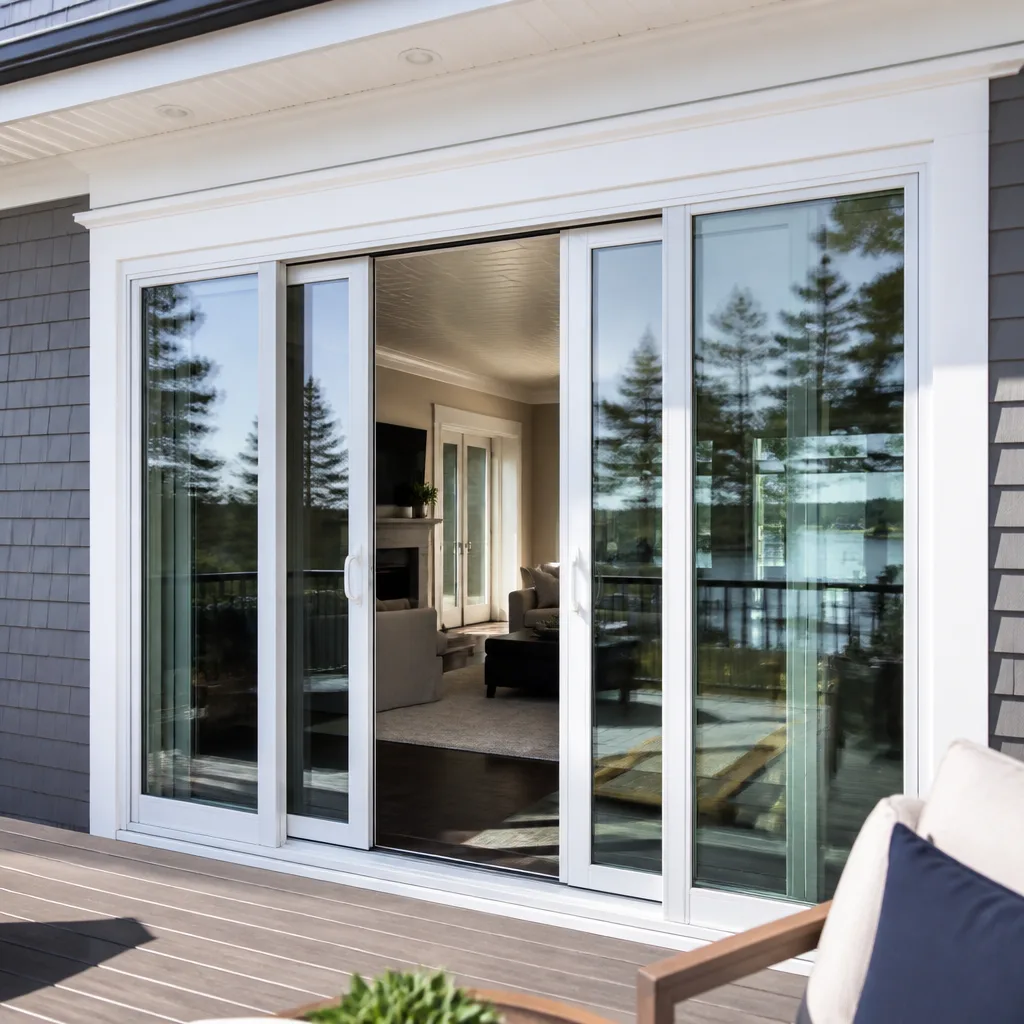

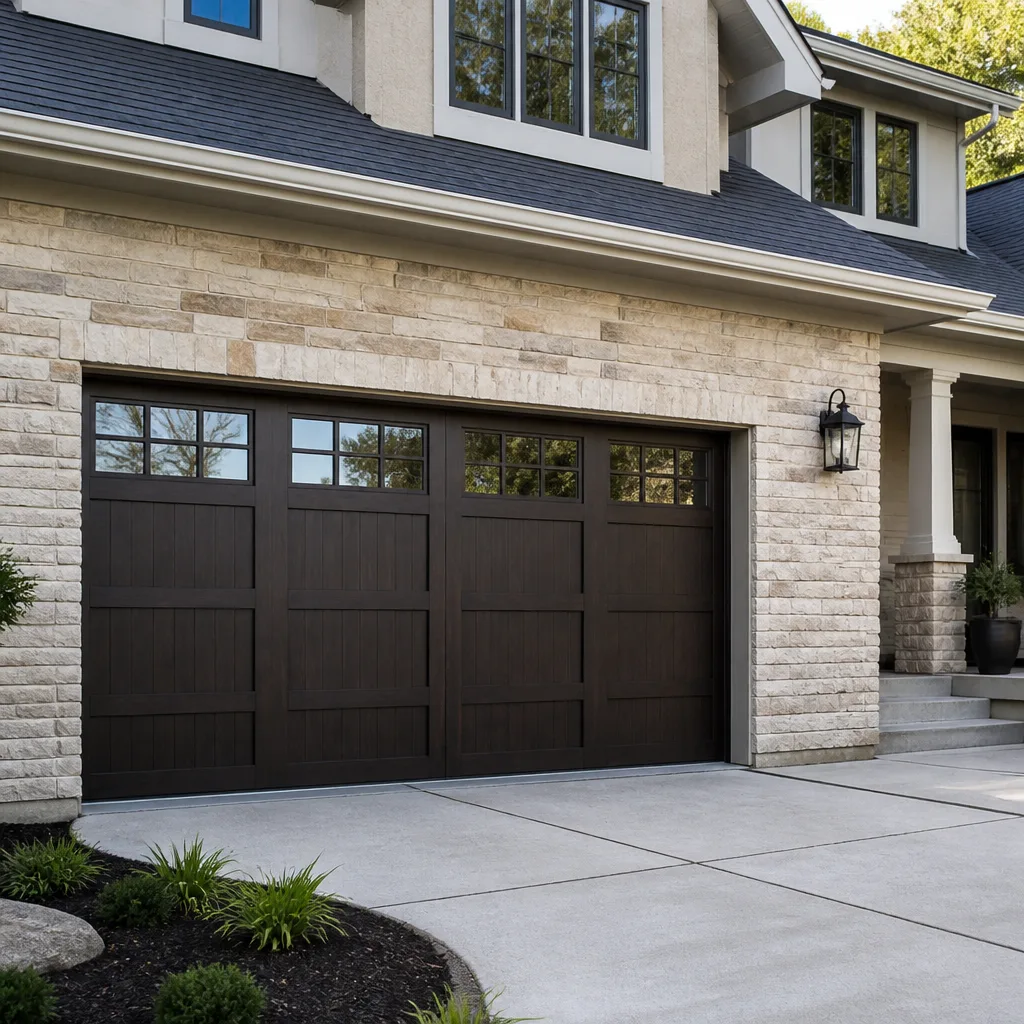

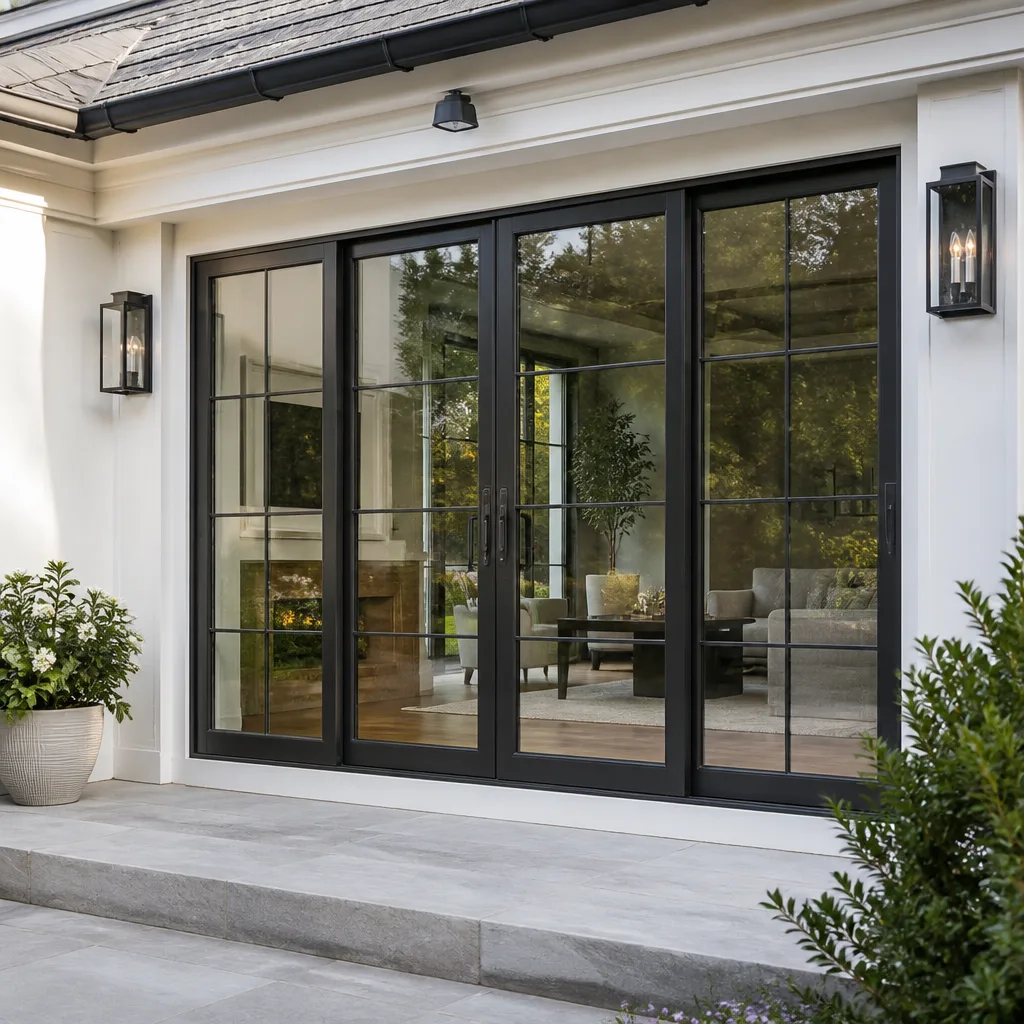
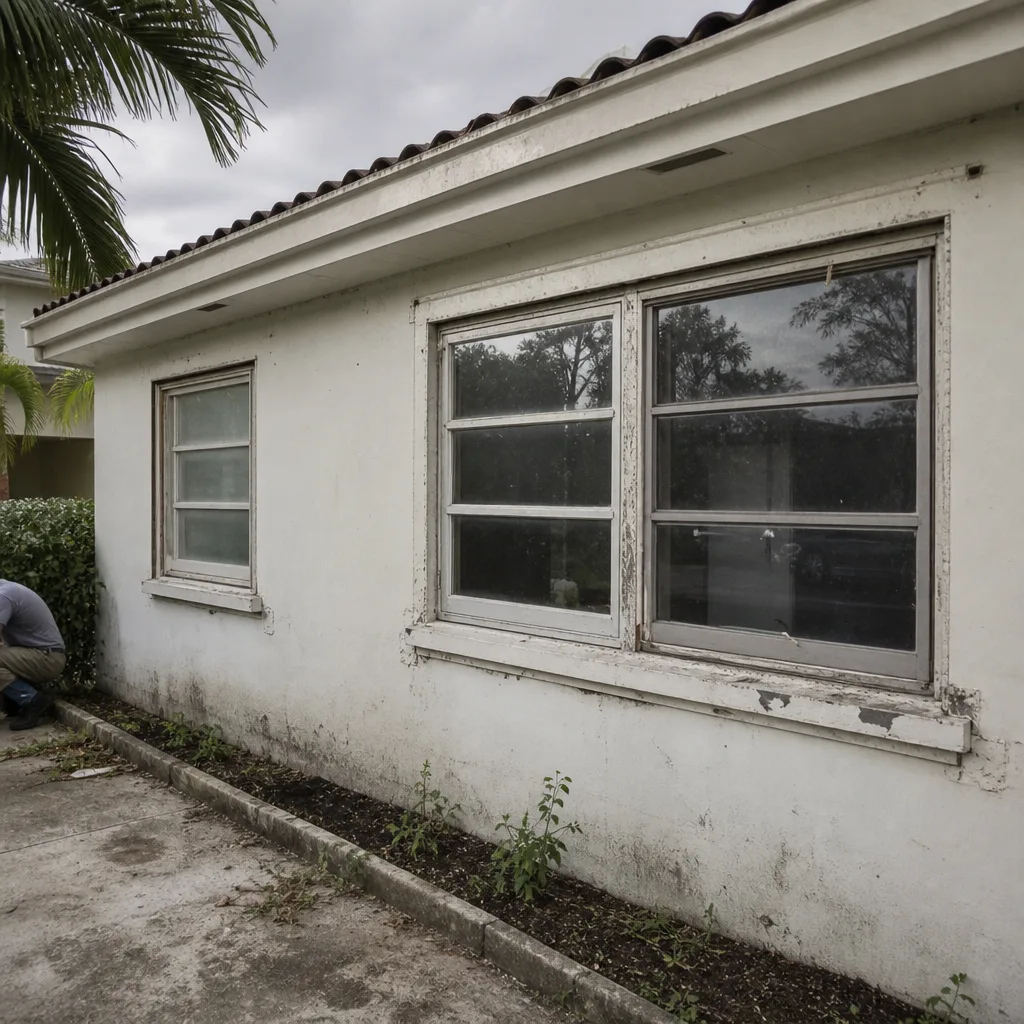 Before
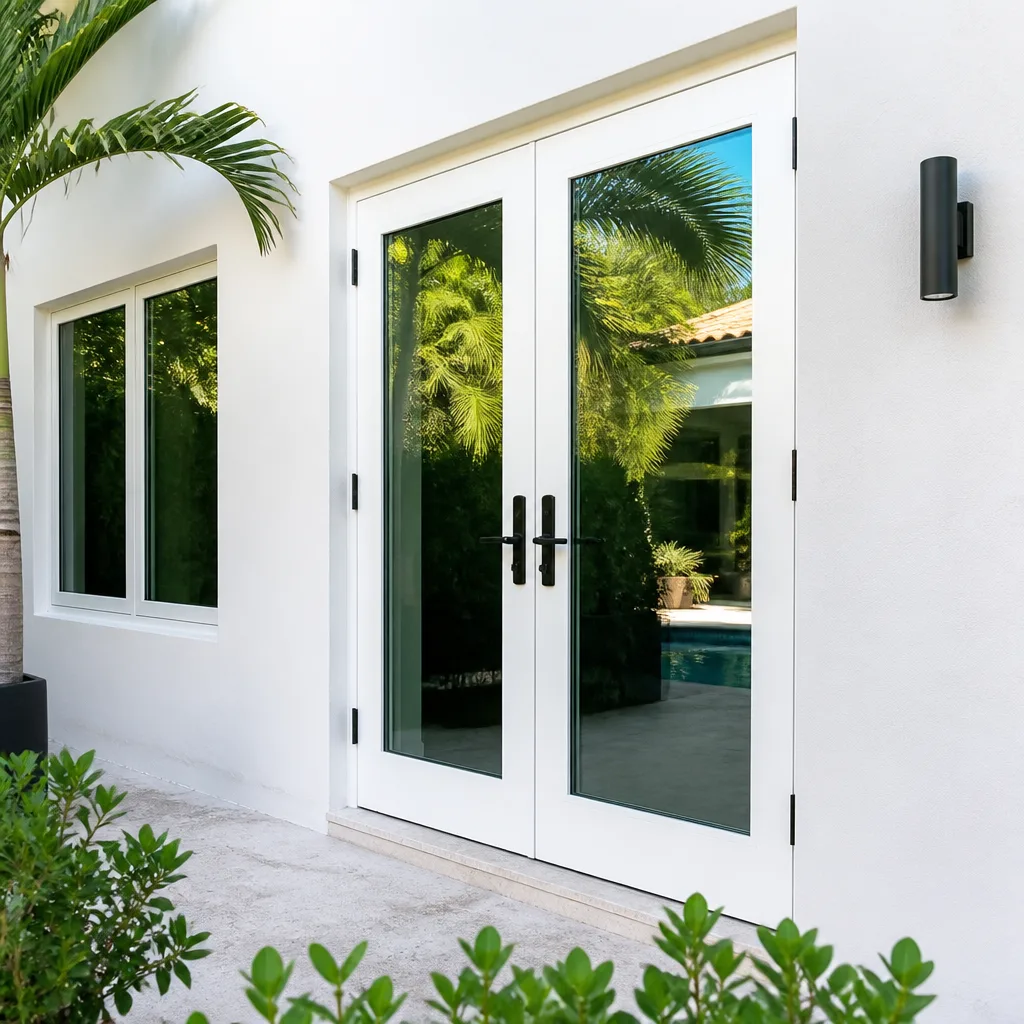 After
After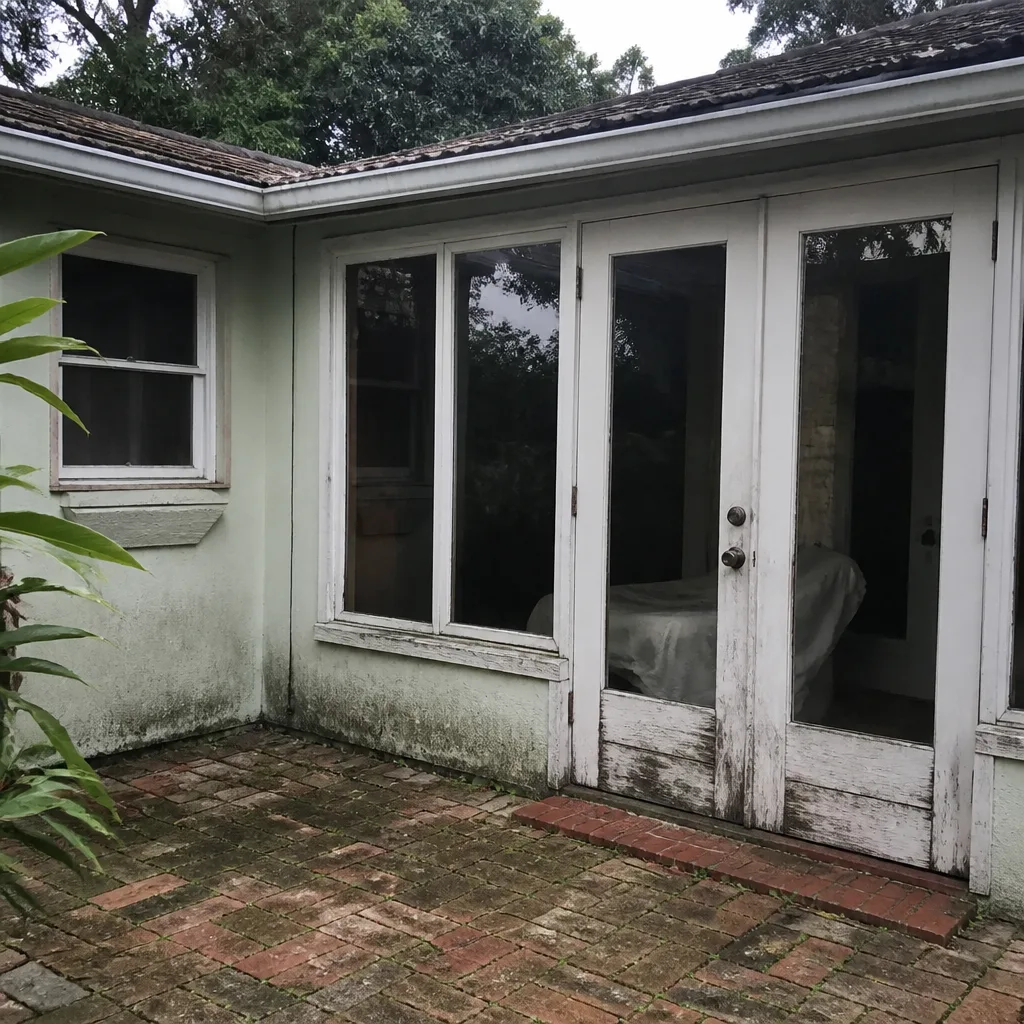 Before
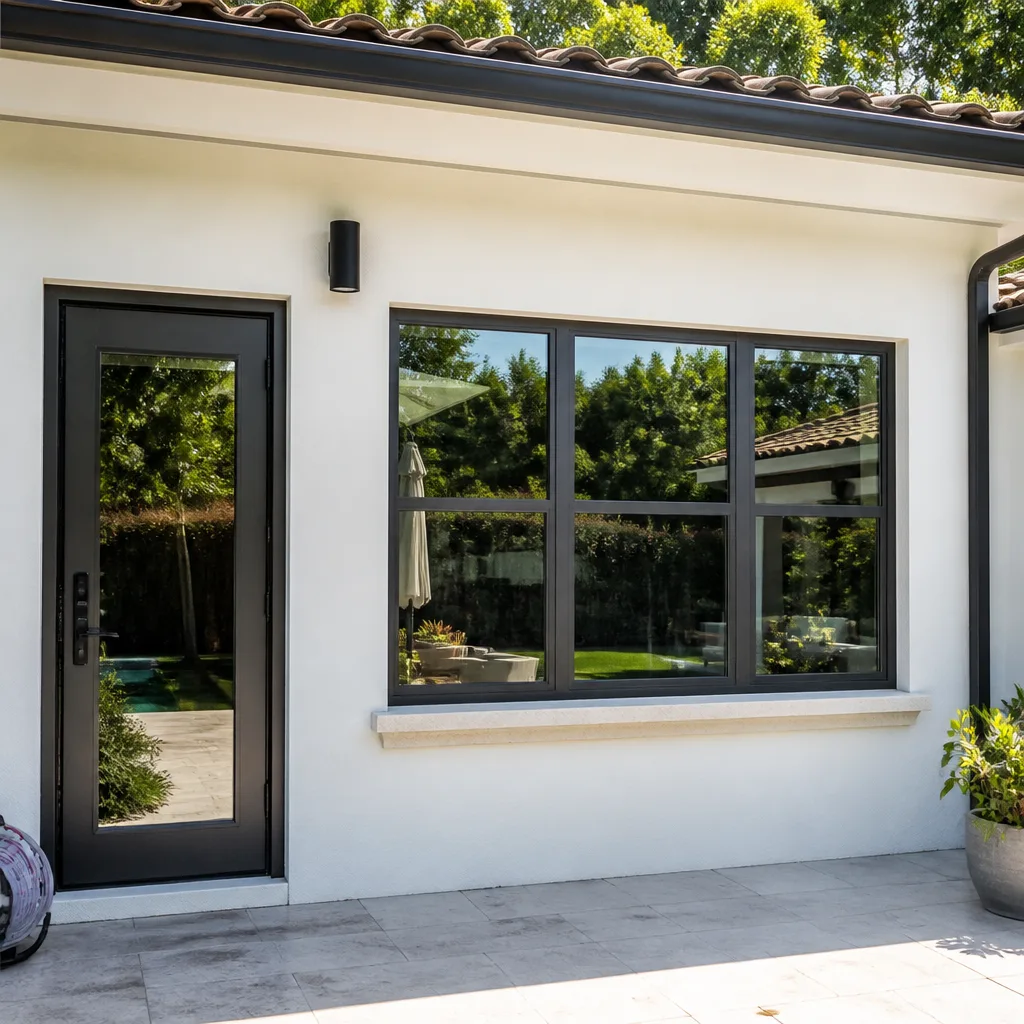 After
After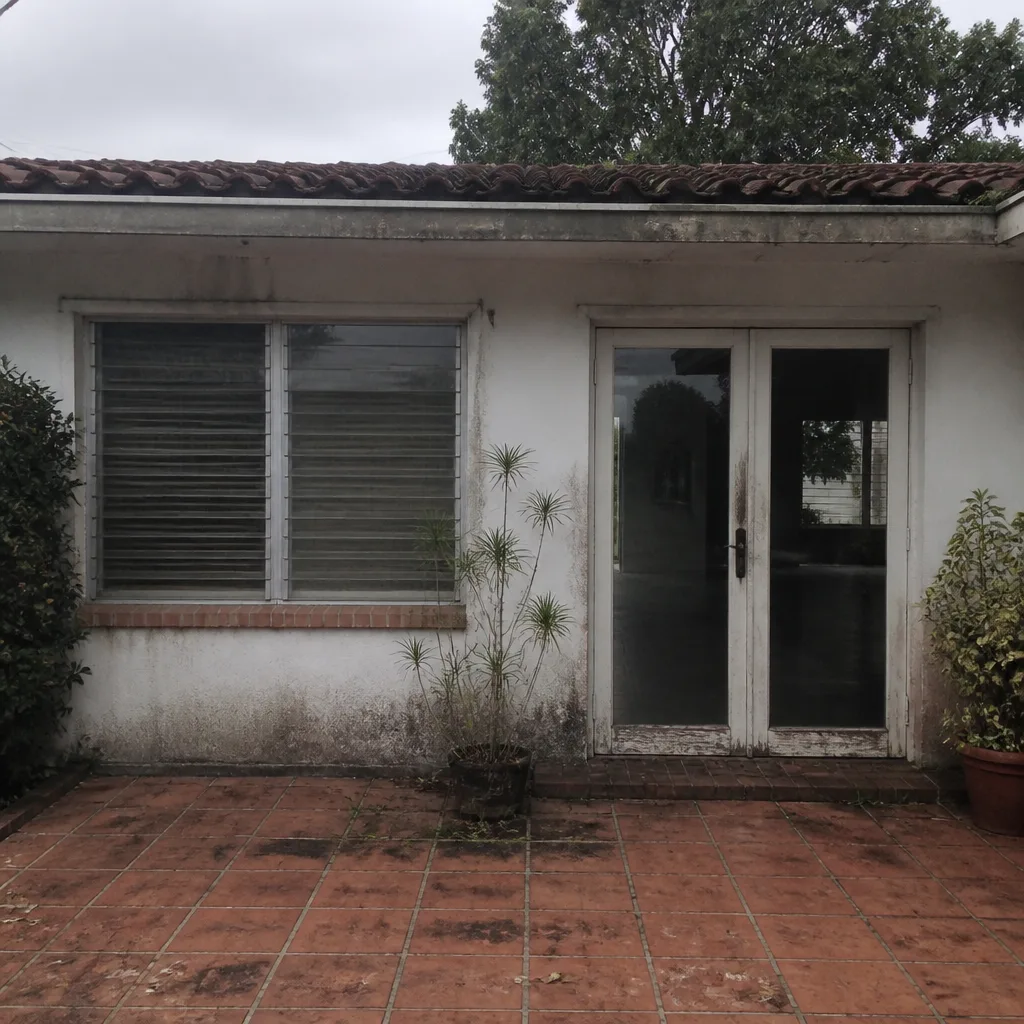 Before
 After
AfterHow to Hire a Windows & Doors Contractor in South Miami: A Step-by-Step Guide
Florida law requires the license holder to be on-site or directly supervising installation, yet the majority of complaints filed with the DBPR against window contractors cite unlicensed workers completing the actual job while the licensed contractor never appeared. That gap between who sells you the job and who shows up to do it is the single most expensive blind spot in South Miami home improvement. This guide walks you through exactly how to verify a contractor’s license, inspect the contract language that protects you when a Miami-Dade inspection fails, and ask the questions that separate an accountable local installer from a sales office that subs out the work to whoever answers the phone that morning. For more guides & resources on protecting your South Miami home, explore our blog.
Quick Answer
Hiring a windows and doors contractor in South Miami means verifying the contractor’s Florida CBC or CRC license yourself, confirming that license holder is the one pulling the permit, and getting three ironclad contract clauses in writing that specify who pays for remediation if the installation fails a Miami-Dade inspection. Then you confirm the installation crew are employees of the contractor, not day-labor subcontractors, and you cross-reference the company’s complaint history in the DBPR database before you sign anything.
Table of Contents
- Step 1: Verify the Florida CBC or CRC License Yourself
- Step 2: Confirm Who Pulls the Permit and Why It Matters
- Step 3: The Three Contract Clauses That Protect You
- Step 4: Questions to Ask About the Actual Installation Crew
- Step 5: Cross-Reference the DBPR Complaint Database
- Step 6: Why Local Owner-Operated Accountability Beats National Chains
- Step 7: Getting Estimates That Actually Compare
Step 1: Verify the Florida CBC or CRC License Yourself
Before you let anyone measure a window opening in your South Miami home, pull up the Florida Department of Business and Professional Regulation website and look up the contractor’s license number. You want one of two designations: CBC (Certified Building Contractor) or CRC (Certified Residential Contractor). A CBC can build and remodel structures up to three stories, which covers almost every home in South Miami’s residential neighborhoods. A CRC is limited to residential work, which is also fine for window and door replacement.
The license number should be printed on the contractor’s business card, their estimate, their website, and their truck. If any of those places lacks the number, that’s not a red flag. That’s a stop sign. A legitimate South Miami contractor publishes their license number the way a restaurant posts its health inspection grade. It’s not a marketing detail. It’s proof they’re accountable to the state of Florida, not just to their own promises.
Here’s the sequence we tell homeowners to follow:
- Go to the DBPR license search tool at myfloridalicense.com.
- Enter the license number, not just the business name. Names can be shared across companies; numbers are unique.
- Confirm the license is active, not expired, suspended, or in probationary status.
- Check the license holder’s name matches the person who signs your contract.
- Note the original issue date. A contractor with a license issued in the last 18 months may be perfectly competent, but a history going back a decade or more tells you they’ve survived multiple building-code cycles and at least one major hurricane season.
South Miami specific note: Because South Miami sits within Miami-Dade County, your contractor must also comply with Miami-Dade’s stricter building code, which includes the High Velocity Hurricane Zone requirements. A state license is the floor. Miami-Dade compliance is the local bar, and it’s higher. Ask directly whether the contractor has completed Miami-Dade NOA (Notice of Acceptance) installations before, and check for a county-specific competency card if the job involves impact-rated products. Our Impact Windows Maintenance Checklist for South Miami Homeowners covers what to verify before signing.
If you’d rather not navigate the state database on your own, our Window Installation in South Miami page explains how an owner-operated local company handles licensing transparency differently. Ed Winslow’s name and license number are published on our site because we’ve been accountable in this community since 2011.
Step 2: Confirm Who Pulls the Permit and Why It Matters
The person named on the building permit is legally responsible for the work passing inspection. If the contractor who sells you the job puts a different name on the permit, or tells you a permit isn’t necessary for window replacement, you’ve just discovered how the unlicensed-crew problem starts. In South Miami, replacing windows and exterior doors almost always requires a permit because the work affects the structural envelope of the home and must meet Miami-Dade wind-load standards.
Here’s the test: ask the contractor, “Will your name be on the permit, or will you assign it to someone else?” The answer should be immediate and specific. “My license number goes on every permit I pull” is the correct answer. “We work with a permit expediter” is a dodge. “You don’t need a permit for this” is, in almost every residential replacement scenario, false.
When the license holder’s name is on the permit, the county inspector’s failure becomes the contractor’s failure. That means the contractor has a legal and financial incentive to do the job correctly the first time and to fix it without argument if the inspection doesn’t pass. When the permit is under someone else’s name, you’re now in a three-way blame triangle between the sales company, the permit holder, and the installation crew. You don’t want to be in that triangle in the middle of hurricane season.
Questions to ask before signing:
- Will your name or your qualifying agent’s name appear on the permit application?
- Can I see a copy of the permit before installation begins?
- What’s the timeline if the first inspection fails, and who schedules the reinspection?
- Do you handle the permit fees as part of the contract, or are they a separate line item?
For a deeper look at how this applies to impact-rated installations specifically, our Impact Windows in South Miami guide covers the Miami-Dade NOA requirements and why the permit process matters even more for windstorm protection.
Step 3: The Three Contract Clauses That Protect You
Most South Miami homeowners read the price and the payment schedule and skip the rest of the contract. That’s understandable. Contracts are written by lawyers for lawyers. But three specific clauses determine whether a failed Miami-Dade inspection becomes your problem or the contractor’s problem. Ask for these in writing before you pay a deposit.
Clause 1: The Inspection Remediation Clause
This clause states that if the installation fails any required Miami-Dade County inspection, the contractor will correct the deficiency at no additional cost to the homeowner, including materials and labor, and will schedule and pay for the reinspection. Without this clause, a contractor can argue the failed inspection was due to a product defect or an existing condition, leaving you to negotiate who pays for tearing out and reinstalling a window that didn’t pass. Write the clause as a separate numbered item, not a vague promise in the scope of work.
Clause 2: The Subcontractor Disclosure and Consent Clause
This clause requires the contractor to disclose in writing whether any portion of the installation will be performed by subcontractors, and gives you the right to approve or reject specific subcontractors before they set foot on your property. South Miami homeowners routinely discover on installation day that the crew is from a subcontracting company they’ve never heard of, hired by the contractor at the last minute. This clause prevents that surprise and gives you a contractual remedy if it happens anyway.
Clause 3: The Change Order Limitation Clause
This clause states that any additional work or material cost beyond the contracted scope requires a written change order signed by both parties before the work is performed, and that no verbal authorization creates a payment obligation. Without this, a contractor can discover “unexpected rot” around a window frame and hand you a bill for hundreds or thousands of dollars above the estimate, after the work is already done. Miami-Dade’s humid coastal climate makes window-frame rot common, so this clause matters more here than in drier markets. See our Seasonal Windows & Doors Care for South Miami: Year-Round Homeowner’s Guide for climate-specific maintenance that prevents these surprises.
Quick takeaway: A legitimate contractor will not hesitate to put these clauses in writing. If someone balks at a remediation clause or a change-order clause, that tells you exactly how they expect the job to go.
Step 4: Questions to Ask About the Actual Installation Crew
The person who measures your windows is often not the person who installs them. Nothing is inherently wrong with a contractor using a dedicated installation team, as long as those installers are employees or long-term, vetted partners, not whoever answers a day-labor call at 6 a.m. The distinction matters because employee installers are trained to company standards, covered by the company’s insurance, and accountable to the license holder who signs your permit. Day-labor subcontractors are accountable to no one beyond the day’s cash payment.
In South Miami, where window installations involve heavy glass panels rated for Category 5 winds, the skill gap between a trained employee crew and a pickup-truck sub crew is not theoretical. It’s the difference between a window that seals properly through a hundred summer thunderstorms and one that leaks the first time a tropical storm pushes rain sideways.
Ask these questions directly, in writing, before you sign:
- Are the installers W-2 employees of the company, or are they subcontractors? If subcontractors, who are they, how long have you worked with them, and can you provide their license and insurance information?
- Are the installers background-checked? For a company that sends people into your home, this should be a yes with no hesitation. Winslow Windows & Doors background-checks every technician and sends them in uniform, so you know who’s at your door before the truck pulls up.
- Who is the on-site supervisor during installation? The licensed contractor or their qualifying agent should be able to name the person who will be present and responsible on installation day.
- How long has the lead installer been with the company? A lead installer with a decade at the same South Miami company tells you something about that company’s standards. A new crew every season tells you something too.
- What training does the crew have on the specific products I’m buying? Installing a PGT impact window is different from installing a CGI, which is different from installing an ES Windows product. A crew trained on product-specific installation protocols is a sign the contractor takes this seriously.
We can tell you from experience that South Miami homeowners who ask these questions end up with visibly better installations. It’s not that the questions themselves change the work. It’s that the kind of contractor who answers them well is the kind of contractor who does the work well.
Step 5: Cross-Reference the DBPR Complaint Database
The DBPR maintains a public record of complaints filed against licensed contractors. Searching this database before your first meeting is free, takes ten minutes, and reveals patterns that no sales pitch will tell you. One complaint might be a personality conflict. Six complaints alleging the same issue, unpaid subcontractors, or unfinished work, is a pattern.
Here’s how to search effectively:
- Locate the DBPR’s complaint disclosure page and search by license number or business name.
- Read the complaint summaries carefully. The number matters, but the type matters more. Complaints about incomplete work, failure to pull permits, or unlicensed workers on site are far more serious than a complaint about a scheduling delay.
- Check for any disciplinary actions, fines, or license suspensions. These are listed separately from raw complaints.
- Search the business name in Miami-Dade County court records as well. Unpaid subcontractor lawsuits are a leading indicator of a contractor in financial trouble, and a contractor in financial trouble is more likely to cut corners or abandon a job midway.
- Check Google and local review platforms for reviews that specifically mention the installation crew. Reviews that praise the salesperson but complain about the installers are a tell.
This step feels bureaucratic, and most South Miami homeowners skip it. That’s precisely why it’s valuable. The contractors who rely on unlicensed day-labor crews count on the fact that almost no one checks. Ten minutes of database searching is a small price for avoiding a six-month construction headache.
Step 6: Why Local Owner-Operated Accountability Beats National Chains
National window replacement companies operate on a structural model that makes accountability nearly impossible. The person who sells you the windows is a commissioned sales representative. The person who measures is a separate contractor. The crew that installs is a third entity, subbed out based on availability and bid pricing. When something goes wrong, there is no single person whose reputation is on the line. There’s a ticket number in a customer service queue.
A local owner-operated contractor in South Miami cannot work that way. Ed Winslow’s name is on the door of Winslow Windows & Doors, and on every job we do. If a window leaks, the person you complained to at the sales meeting is the same person responsible for fixing it. There’s no corporate office to route you through. There’s no district manager to escalate to. There’s just the owner, who lives and works in the same community he serves.
That structural difference matters in practical ways:
- Warranty enforcement: A national chain’s lifetime warranty is only as good as the company that stands behind it. Winslow’s Done Right Promise means if it’s not done right, we make it right. Period. A lasting standard of accountability no national chain can match.
- Product knowledge: We install PGT, CGI, CWS, ES Windows, ECO Window Systems, Mr-Glass, Therma-Tru because we’ve tested these products in real South Miami conditions and we know which ones perform. A national chain sells whatever their corporate buyer negotiated the best margin on.
- Community reputation: A local contractor who does bad work in South Miami doesn’t get to quietly rebrand and move to the next market. The bad review follows the owner to the grocery store. That’s a powerful incentive to do the job right.
This is why we say the one down the road is the one you want. We’ve been serving South Miami since 2011, and our address and license number are published for anyone to verify. You can read more about our story on the Winslow Windows & Doors home page.
Step 7: Getting Estimates That Actually Compare
Most South Miami homeowners collect three estimates and then freeze, because the estimates are structured so differently that comparison is impossible. One quotes a window price with installation bundled. Another separates product from labor. A third adds a permit fee line item while the others bury it in general conditions. Our Windows & Doors Cost Breakdown: The South Miami Homeowner’s Reference for 2026 explains what each line item should include. Here’s how to structure the estimates so they line up side by side.
Require a written, line-item estimate in the same format from every contractor you invite to bid:
- Product name, model number, and quantity for every window or door, not “impact window, approx. 36×48”
- Installation labor as a separate line item from product cost
- Permit fee as a separate line item
- Hauling and disposal of old windows as a line item, or explicitly noted as included
- Warranty terms in writing: what’s covered, for how long, and what’s excluded
- Expected start date and estimated duration in calendar days, not work days
When all three estimates follow this format, the decision becomes much simpler. You can see who’s marking up the product cost, who’s underestimating labor only to make it up in change orders, and who’s including the permit fee upfront because they actually intend to pull a permit.
One more point on pricing: if one estimate comes in dramatically lower than the others, that’s not a bargain. It’s a warning. Windows and doors in South Miami cost what they cost because Miami-Dade code requires products built to withstand hurricane-force winds and driving rain. A bid that’s 30% below the market almost always means cheaper products, unlicensed labor, skipped permits, or all three. We offer no-hassle upfront pricing and a free second opinion on any written estimate, which is a useful way to reality-check a suspiciously low bid. For context on what window replacement should cost in this market, see our Window Replacement in South Miami page.
Common Mistakes to Avoid
- Hiring without verifying the license yourself. Taking the contractor’s word for it is exactly how unlicensed crews end up on your property. The DBPR search is free and takes ten minutes.
- Accepting a verbal promise instead of a written contract clause. “We’ll fix it if anything’s wrong” means nothing in a dispute. The remediation clause is the thing that makes the promise enforceable.
- Skipping the permit because the contractor says you don’t need one. Window and exterior door replacement in South Miami almost always requires a permit under Miami-Dade code. A contractor who discourages the permit is protecting themselves, not you.
- Comparing estimates by the bottom-line number alone. A cheap bid that skimps on product, labor, or permit fees costs more in the long run than a complete bid from a legitimate contractor.
- Ignoring the installation crew question. The company that sells you the job is not necessarily the company that does the job. Ask directly about who installs and who supervises.
- Paying a large upfront deposit. Florida law limits deposits for home improvement contracts, and a reputable South Miami contractor won’t ask for 50% before materials even arrive. Be wary of anyone who does.
- Not checking the complaint history before the first meeting. Ten minutes on the DBPR database tells you more than an hour of sales presentation.
When to Call a Professional
Window and door replacement is not a project where you want to find your learning curve at your own expense. If your windows are original to a home built before Miami-Dade’s current wind-code standards took effect, they were almost certainly not designed for the wind loads the county now requires. If you see condensation between panes, that seal has failed and the window’s insulating value is gone. If a door binds in its frame or a sliding glass door scrapes, the opening has shifted and a simple swap won’t fix the underlying issue. These are the moments when a professional evaluation pays for itself. Winslow Windows & Doors offers free estimates in South Miami; call (850) 930-1813 and a live person will answer, 24/7, not a voicemail loop. Ed’s name is on the door, and on every job we do.
Frequently Asked Questions
Go to myfloridalicense.com, search the contractor’s license number (not just the business name), and confirm the license is active and held by the person who will sign your contract and pull your permit. Call (850) 930-1813 if you’d like help walking through the verification process.
Yes, in almost every residential replacement scenario in South Miami a permit is required because window replacement affects the home’s structural envelope and must meet Miami-Dade High Velocity Hurricane Zone wind-load standards. A contractor who tells you otherwise is not doing you a favor.
South Miami window replacement costs vary widely by product line, size, and installation complexity, with impact-rated products from brands like PGT, CGI, CWS, and ES Windows priced above standard non-impact units. The only way to get an accurate number is a written, line-item estimate; call (850) 930-1813 to schedule a free one.
A CBC (Certified Building Contractor) can perform both commercial and residential construction up to three stories, while a CRC (Certified Residential Contractor) is limited to residential work. Both are valid for window and door replacement in South Miami homes, but the license holder must be the one on the permit.
This is the single most important question you can ask, and you should ask it in writing before signing anything. Employee installers are trained, insured, and accountable to the license holder; day-labor subcontractors are accountable to no one beyond the day’s payment. At Winslow Windows & Doors, every technician is background-checked and uniformed.
Expect a product warranty from the manufacturer and a workmanship warranty from the installer, both in writing, with clear terms on what’s covered and for how long. Beyond the written warranties, ask what the contractor’s own accountability promise is if something goes wrong; call (850) 930-1813 if you’d like to hear more about ours.
The Bottom Line
The contractors who create the most expensive problems in South Miami are rarely the obvious ones. They have trucks, uniforms, and polished sales presentations. What they don’t have is a license holder on-site supervising the work, a permit with their own name on it, or a contract that holds them accountable when the inspection fails. Hiring well means verifying the license, confirming the permit, demanding the three protective clauses, asking hard questions about the installation crew, and checking the DBPR complaint database before you sign. Do that, and you’ve already eliminated the contractors who cause most of the horror stories. Then call (850) 930-1813 and compare your findings against a company whose owner answers the phone. The one down the road.
Written by Ed Winslow, Owner at Winslow Windows & Doors, serving South Miami since 2011.
Six Reasons Homeowners Choose Winslow Windows & Doors
Impact systems engineered to design pressures up to +/-100, matched to your wind zone - your openings hold when the storm arrives.
Low-E insulated impact glass from our manufacturer lines commonly cuts monthly cooling bills 20-30%.
Laminated impact glass shuts out up to 40% of outside noise - traffic, neighbors, weather.
Monitoring services run $30-90 a month. Laminated impact glass resists forced entry around the clock, with no subscription.
Florida homeowners average around 25% savings on the windstorm portion of their policy after protecting every opening - some homes qualify for more.
A full impact package upgrades curb appeal, buyer confidence and appraised value in one project.