
Free in-home measure and quote - PGT, CGI and CWS impact lines compared on your actual openings, style by style
 Before
 After
After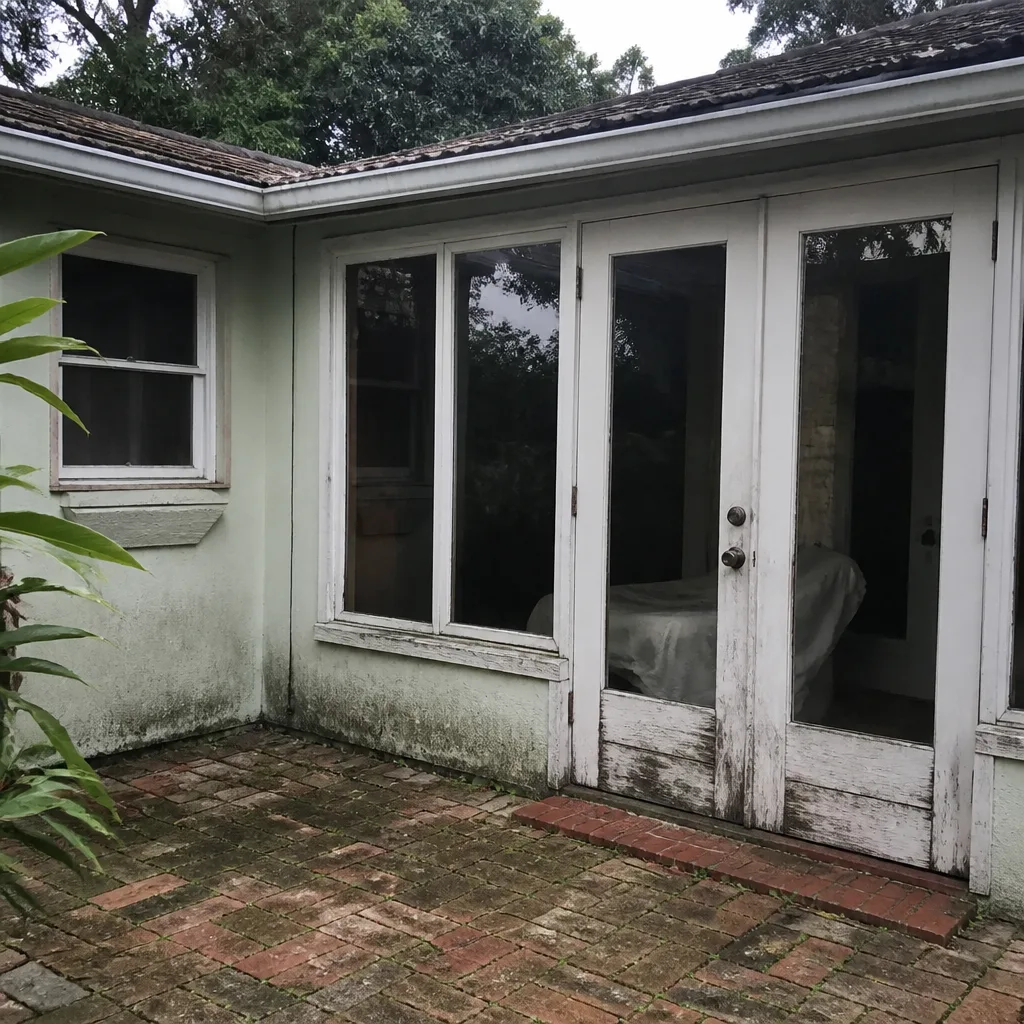 Before
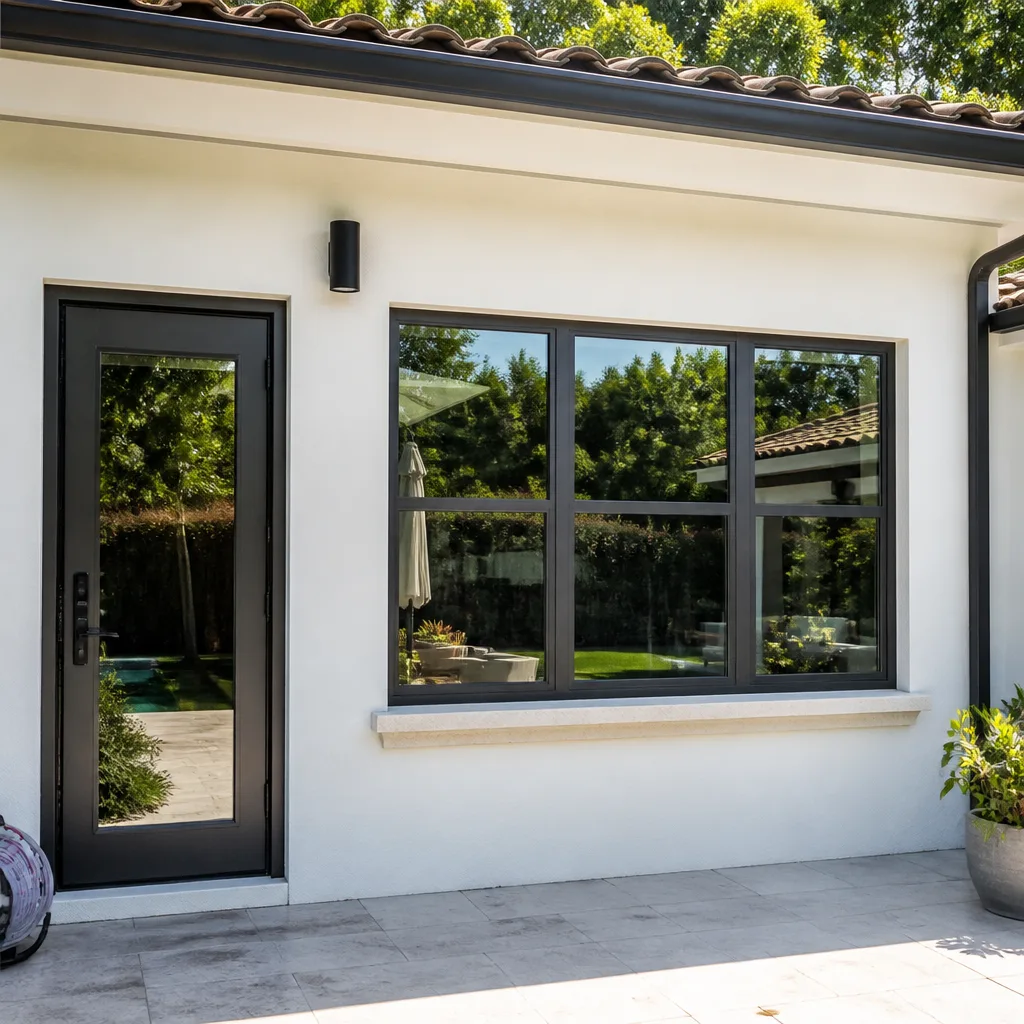 After
After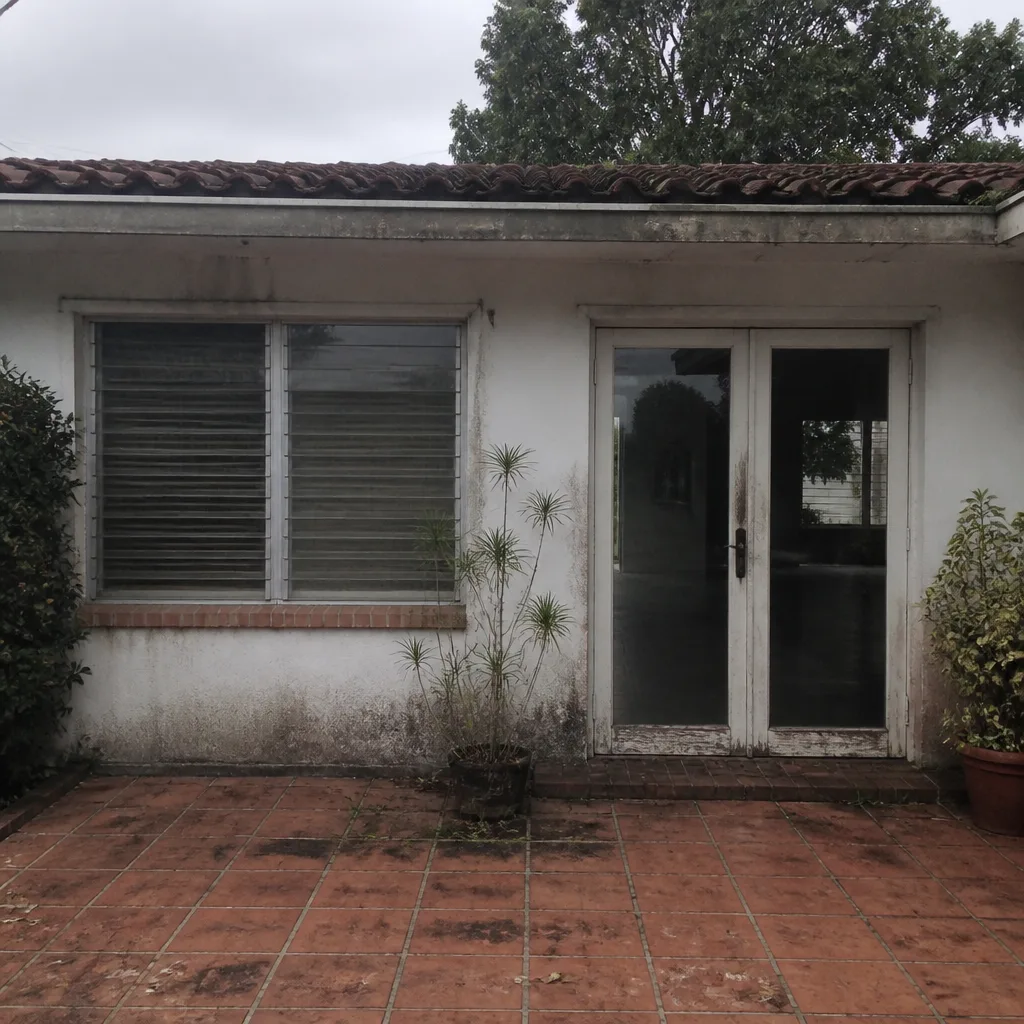 Before
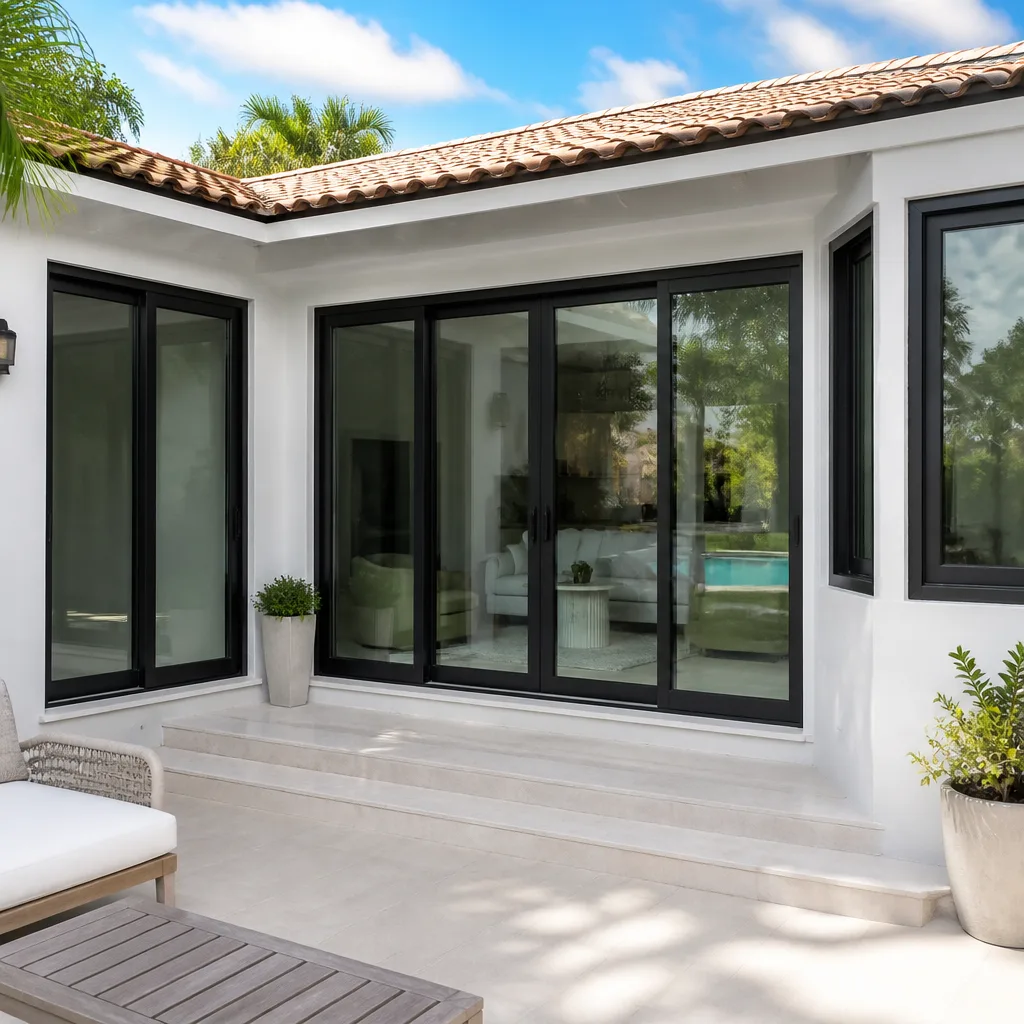 After
AfterWindow Energy Audits & Ratings in South Miami, FL
A window energy audit in South Miami identifies exactly how much heat your windows are letting in, which units are underperforming, and what ENERGY STAR Replacement Windows ratings your home needs to qualify for Florida rebates and reduced utility bills. Most audits take two to three hours and result in a written report you can hand to your insurance carrier or use to compare replacement quotes. At Winslow Windows & Doors, Ed Winslow has been running these assessments across South Miami since 2011 – and the findings consistently surprise homeowners who assumed their windows were fine.
South Miami sits in IECC Climate Zone 1, the hottest climate classification in the continental United States. That matters because windows rated for, say, a North Carolina installation will fail quietly here – letting solar heat gain build up behind glass that looks perfectly clear. You won’t see the problem. You’ll feel it in your FPL bill and in rooms that never quite cool down, even with the AC running hard. Our Energy-Efficient Windows in South Miami service starts with getting the numbers right, and that starts with a proper audit.
Call (850) 930-1813 – a live person answers every call, any hour of the day – to schedule your window energy audit or ask what the process involves before you commit.
When You Need a Window Energy Audit in South Miami
Not every home needs an audit on day one. But certain situations make one the most useful first step you can take before spending money on new windows or repairs.
- Your FPL bills have climbed without a clear reason. If your cooling costs jumped over the past two summers and your HVAC system checked out fine, the windows are a logical next suspect – especially in older South Miami neighborhoods like Sunset and Snapper Creek where single-pane aluminum frames are still common.
- You’re preparing to replace windows and want to buy the right product. Walking into a showroom without knowing your home’s Solar Heat Gain Coefficient (SHGC) target or your existing U-factor means you’re guessing. An audit gives you a spec to shop against.
- Rooms on the west or southwest side of your home stay uncomfortably warm. South Miami’s afternoon sun hits west-facing glass hard. Thermal imaging during an audit frequently shows these windows radiating heat into interior spaces hours after sunset.
- You’re applying for a Florida property tax exemption or utility rebate tied to energy upgrades. Miami-Dade programs and the federal 25C tax credit both require documentation. A rated audit report gives you something to submit.
- You recently purchased the home and don’t know the window history. Many South Miami properties have had windows replaced piecemeal over decades, mixing ratings and frame types. An audit maps what you actually have versus what the listing said.
- You can feel air movement or temperature differences near window edges. This points to failed seals, deteriorated weatherstripping, or frame warping – all things an audit captures before they become full replacement scenarios.
Our Window Energy Audit Process in South Miami
We’ve refined this process over fifteen-plus years of working in South Florida’s specific climate conditions. Every step is designed to give you actionable information, not a sales pitch dressed up as an assessment.
- Pre-visit documentation review. Before we arrive, we ask you to share any existing paperwork – old installation records, prior inspection reports, HOA-required approvals. In South Miami, Miami-Dade County’s Notice of Acceptance (NOA) requirements mean impact-rated windows carry specific product approvals, and we want to know which products are already on the house before the truck pulls up.
- Visual inspection and frame condition assessment. We walk every window in the home, checking frame integrity, sill drainage, sealant condition, and glazing. We note unit age, frame material (aluminum, vinyl, fiberglass), and obvious damage. South Miami’s salt air and humidity accelerate frame corrosion and seal failure faster than inland markets – we know what to look for.
- Thermal imaging scan. Using an infrared camera, we identify heat transfer points, air infiltration paths, and failed insulated glass unit (IGU) seals. On a typical South Miami afternoon, surface temperatures on an underperforming west-facing window can read 15 to 20 degrees warmer than a properly rated unit in the same room. That delta shows up clearly on the thermal scan and goes straight into your report.
- Rating benchmarking against Florida Building Code standards. We compare each window’s documented or measured performance against the ENERGY STAR Most Efficient thresholds for Climate Zone 1 (SHGC of 0.22 or lower, U-factor of 0.40 or lower for residential in this zone). Products we install, including lines from ECO Window Systems and ES Windows, are designed specifically to meet and exceed these thresholds – so when we’re benchmarking, we know exactly where the gaps are.
- Written audit report with per-window findings. You get a room-by-room breakdown: current estimated U-factor and SHGC for each unit, a pass/fail against Climate Zone 1 standards, and a priority ranking for replacement or repair. This isn’t a generic summary – it’s a document specific to your home’s address, orientation, and existing products.
- Options review with upfront pricing. After the report, Ed or one of our uniformed, background-checked technicians walks you through what the findings mean in practical terms – which windows are urgent, which can wait, and what replacement products would bring your home into compliance. No pressure, no upsell theater. Upfront pricing on any work we recommend, no surprises on the invoice.
Window Energy Audit Pricing in South Miami
Window energy audit pricing in South Miami ranges depending on home size, the number of windows being assessed, and whether thermal imaging is included as part of the visit. Here’s what most homeowners in the area can expect:
| Service Scope | Typical Price Range |
|---|---|
| Basic visual inspection and written report (up to 10 windows) | $120 – $200 |
| Full audit with thermal imaging (10-20 windows) | $200 – $350 |
| Whole-home audit with thermal imaging (20+ windows) | $350 – $500 |
| Audit bundled with replacement estimate (applied to project cost) | Often credited toward installation |
Several factors push costs toward the higher end: homes in South Miami’s older Coral Gables-adjacent corridors with custom or arched window openings take longer to document accurately. Homes with mixed glazing types – single-pane in some rooms, impact-rated in others – require more detailed benchmarking. And if access is difficult (second-story units over landscaping, windows behind cabinetry), that adds time.
If you’re getting a second opinion on a written estimate from another company, that consultation is free. We also apply a permanent 10% discount for seniors and veterans – no expiration date, no paperwork required beyond telling us when you call. And if any audit findings lead to a repair over $200, $40 comes off that repair automatically.
Call (850) 930-1813 for a free estimate on your audit – someone will answer, no voicemail loop.
What Affects Your Windows’ Energy Rating in South Miami’s Climate
South Miami’s climate does things to windows that homeowners in other parts of Florida don’t always account for. A few local factors worth understanding before you read your audit results:
Solar Heat Gain Coefficient (SHGC) matters more here than anywhere else in Florida
SHGC measures how much solar radiation passes through the glass into your home. A rating of 1.0 means all radiation passes through; 0.0 means none does. Climate Zone 1 windows should target 0.22 or lower. In South Miami, homes on east-west street grids – common in neighborhoods like South Gables Estates and Pinecrest-adjacent sections of the city – have significant glass exposure on multiple sides. A window with an SHGC of 0.35 that was acceptable in Orlando can add hundreds of dollars annually to cooling costs here.
Frame material interacts with Miami-Dade’s salt air
Aluminum frames conduct heat efficiently, which is the last thing you want in a cooling-dominant climate. Older aluminum single-pane windows found throughout South Miami’s mid-century housing stock aren’t just thermally inefficient – they corrode at the weep holes and corner joints, breaking the seal between frame and glass. Thermal imaging often picks up infiltration paths that look like edge-of-frame heat signatures. Our Energy-Efficient Windows services include products like those from CWS that use thermally broken frame designs to interrupt this conduction path – something the audit report specifically notes when comparing existing versus replacement performance.
Window orientation and exterior shading
A north-facing window in South Miami receives almost no direct solar load. A west-facing window in the same home can receive over 200 BTUs per square foot on a summer afternoon. Audit results factor in orientation, and the priority ranking in your report will reflect that a west-facing single-pane slider is a higher urgency item than a north-facing double-pane unit even if the north unit has a slightly lower rating on paper.
IGU seal failure is South Florida’s most underreported window problem
Insulated Laminated Glass units rely on a gas-filled space between panes (usually argon) and a perimeter seal to maintain their rated U-factor. South Florida’s temperature swings between air-conditioned interiors (often 72 degrees) and exterior surfaces that hit 110 degrees in summer cause the gas to expand and contract constantly. Seals fail. When they do, the unit fogs and loses its thermal rating – sometimes without visible fogging if the gap is small. Thermal imaging catches these failures before the fogging starts.
Window Energy Ratings Explained: What the Numbers Mean
When the audit report comes back, you’ll see a handful of metrics that determine whether a window passes or fails Climate Zone 1 standards. Here’s a plain-language breakdown:
- U-factor: Measures the rate of heat transfer (both directions). Lower is better. Florida Building Code targets 0.40 or below for residential windows in our climate zone. Most of the impact-rated and energy-efficient products we install from lines like ES Windows and ECO Window Systems come in well under that threshold.
- SHGC (Solar Heat Gain Coefficient): The solar heat number. Target 0.22 or lower in South Miami. This single rating has the biggest effect on cooling costs in our climate.
- Visible Transmittance (VT): The percentage of visible light that passes through. Higher VT means brighter rooms. Products engineered for low SHGC don’t have to sacrifice VT – modern low-e coatings can block solar heat while still letting daylight in clearly.
- Air Leakage (AL): Rated in cubic feet per minute per square foot of frame. Florida Building Code maximum is 0.3 cfm/sf. Older windows in South Miami frequently exceed this, especially slider types with worn pile weatherstripping.
- ENERGY STAR Certification: A product label confirming the window meets EPA thresholds for its climate zone. Not all installed windows in South Miami carry this – especially units installed before the current zone definitions were updated. The audit documents which units are certified and which are not.
Why Winslow Windows & Doors for Window Energy Audits in South Miami
There’s no shortage of contractors who will tell you your windows need replacing before they’ve measured anything. That’s not how Ed Winslow runs things. Ed’s name is on the business and on every job we do, which means the audit report we hand you reflects what we actually found – not what leads to the largest replacement sale.
We’ve been serving South Miami since 2011. In that time, we’ve assessed windows in mid-century ranch homes off SW 62nd Avenue, newer construction near Sunset Drive, and mixed-vintage properties throughout the Coral Gables-adjacent corridors that blur the city line. That field experience means our technicians recognize regional failure patterns – the specific way Miami-Dade’s humidity attacks aluminum weep holes, the way west-facing jalousie conversions from the 1990s consistently fail thermal benchmarking, the common IGU failure points in sliding glass doors installed during the 2005-2008 building boom.
Every technician arrives in uniform. You’ll know who’s coming before the truck arrives – background-checked, identified, professional. When they leave, you’ll have a written report with your home’s actual numbers, a plain-language explanation of what they mean, and upfront pricing on any next steps. No pressure, no vague estimates, no follow-up calls from someone who wasn’t at your house.
The Done Right Promise applies to every service we perform: if it’s not done right, we make it right. That’s not a marketing line – it’s a commitment Ed put his name behind when he founded this company, and it covers audit-informed work the same way it covers full window replacements.
For the full picture on what energy-efficient window upgrades involve after the audit, visit our Energy-Efficient Windows in South Miami page – it covers product selection, installation, and what to expect on replacement day.
FAQs – Window Energy Audits & Ratings in South Miami
How much does a window energy audit cost in South Miami?
A window energy audit in South Miami typically costs between $120 and $500, depending on the number of windows and whether thermal imaging is included. Smaller homes with ten or fewer windows usually come in at the lower end; whole-home audits with full thermal scanning on 20-plus windows run toward the higher end. If audit findings lead to a repair over $200, we apply a $40 discount automatically. Call (850) 930-1813 and we’ll give you a free estimate based on your home’s specifics – no commitment required.
What ENERGY STAR rating do windows need to meet in South Miami’s climate zone?
South Miami falls in IECC Climate Zone 1, the most demanding cooling climate in the continental U.S. ENERGY STAR Most Efficient certification for this zone requires a Solar Heat Gain Coefficient (SHGC) of 0.22 or lower and a U-factor of 0.40 or lower. Many windows installed in South Miami homes before 2015 don’t meet these thresholds – the audit benchmarks each unit against current standards and tells you exactly where the gaps are.
Can an energy audit tell me if I should repair or replace my windows?
Yes – that’s one of the primary things the report is designed to answer. The audit produces a priority ranking for each window based on its current rating, seal condition, frame integrity, and orientation. Some windows fail on rating but pass on condition, meaning a glass-only replacement or Low-E & Argon Gas Glass upgrade may restore performance. Others fail on both, making full replacement the more cost-effective path. We lay out both options with upfront pricing so you can decide without pressure.
How long does a window energy audit take for a typical South Miami home?
Most residential audits in South Miami take two to three hours on-site. A smaller home with ten to twelve windows can come in closer to 90 minutes. Larger properties with 25 or more windows, including sliding glass doors and specialty shapes, may take up to four hours when thermal imaging is part of the visit. The written report is typically delivered within 24 to 48 hours of the visit. Call (850) 930-1813 to schedule and we’ll give you a specific time estimate once we know your home’s window count.
Written by Ed Winslow, Owner at Winslow Windows & Doors, serving South Miami since 2011.
Six Reasons Homeowners Choose Winslow Windows & Doors
Impact systems engineered to design pressures up to +/-100, matched to your wind zone - your openings hold when the storm arrives.
Low-E insulated impact glass from our manufacturer lines commonly cuts monthly cooling bills 20-30%.
Laminated impact glass shuts out up to 40% of outside noise - traffic, neighbors, weather.
Monitoring services run $30-90 a month. Laminated impact glass resists forced entry around the clock, with no subscription.
Florida homeowners average around 25% savings on the windstorm portion of their policy after protecting every opening - some homes qualify for more.
A full impact package upgrades curb appeal, buyer confidence and appraised value in one project.